


Vox Bass Amplifiers article
The Complete Guide to Vox Bass Amplifiers
Vox bass amplifiers deliver warm, articulate tone with British engineering heritage and legendary reliability that makes them studio standards and stage favourites.
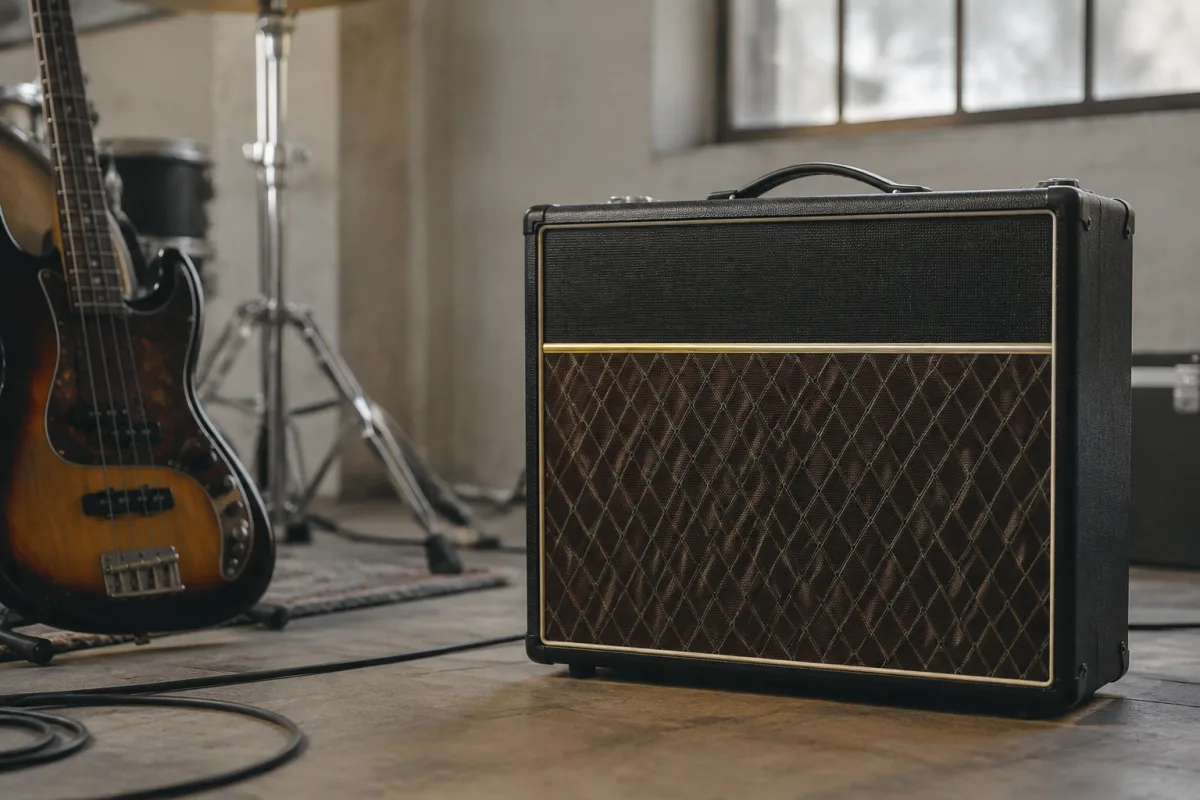
Vox bass amplifiers carry decades of musical history in every amp, from the legendary combination rigs that powered the British Invasion to modern compact units that sit neatly in today's studios and smaller venues. If you're a bass player, understanding what Vox brings to the table—warm, punchy tone, classic British engineering and legendary reliability—helps you decide whether a Vox bass amplifier is right for your playing style, budget and stage or studio setup.
The Vox Legacy in Bass Amplification
Vox has been building amplifiers since the 1950s, and their bass amplifiers are particularly revered for warm, articulate tone and robust construction. Whilst Vox is perhaps best known for electric guitar amps—particularly the AC30, an instrument-of-choice tone machine—their bass amplifiers deserve equal respect. Vintage Vox bass rigs are studio and stage standards for a reason: they deliver a mid-forward, slightly compressed tone that cuts through a mix without sounding thin or clinical.
The classic Vox bass amplifier tone is defined by its valve (tube) circuitry, which adds natural saturation and warmth. Modern Vox bass amplifiers blend that classic tone philosophy with solid-state and hybrid designs, offering players choices between all-valve warmth, lightweight solid-state reliability, and hybrid combinations that capture the best of both.
Valve-Driven Classics and Modern Hybrids
Vintage Vox bass amplifiers like the Vox Bassman (a 1x15 or 2x15 combination) use all-valve preamps and power sections, delivering thick, woody tone that resonates through a room. These are heavy (sometimes 40–60 kg), require periodic valve replacement, and need time to warm up—but they reward patience with tone that modern solid-state amps struggle to replicate. If you've heard bass tone on classic rock and soul records, you've often heard a Vox valve bass amplifier.
Modern Vox bass amplifiers use hybrid designs, pairing valve preamps (which add warmth and natural compression) with solid-state power sections (which are lighter, more reliable and run cooler). This approach delivers much of that classic Vox warmth without the weight and maintenance burden of all-valve designs. Current Vox bass amplifiers typically weigh 15–25 kg, run cooler, and can be carried by one person—a major advantage for gigging musicians.
Wattage and Power Considerations
Vox bass amplifiers typically range from 30 watts (perfect for practice and small venues) to 100 watts (suitable for mid-size venues and recording). A 50-watt Vox bass amplifier with an efficient speaker cabinet is loud enough for most live situations; you don't need 200 watts to sound authoritative. The key is that Vox amps deliver loud tone at relatively modest power levels, partly because of their valve-driven design and partly because their tone is aggressive enough that lower wattages feel powerful.
For a bedroom or studio, 30–50 watts is more than sufficient and keeps weight and heat low. For clubs and medium-size venues, 50–100 watts is appropriate. If you're regularly playing large venues or outdoor festivals, you might want the headroom of a 100-watt head paired with multiple cabinets, but honestly, most working bass players use 50–100 watts and run perfectly fine.
Tone Characteristics You'll Encounter
Vox bass amplifiers are known for a warm, slightly compressed tone with pronounced midrange presence. This midrange bloom is partly the valve preamp, partly the cabinet design. The result is a tone that sits well in a mix without needing aggressive EQ tweaking. A Vox bass amplifier won't sound clinical or sterile; it'll always feel slightly round and forgiving, which is why so many recording engineers prefer them in the studio.
The compression Vox brings is natural—not from a compressor pedal, but from the interaction between the valve preamp, power amp and speaker. This means your dynamics are managed naturally as you play harder or lighter, which can feel very musical and responsive compared to clean, uncoloured solid-state designs.
Vox Bass Amplifier Models: What's Available
Vox offers several bass amplifier lines at different price points:
- Vox Pathfinder Bass: A compact 10-watt combo perfect for beginners and bedroom practice. Built-in effects, lightweight, and affordable. Not powerful enough for gigs, but excellent for learning tone.
- Vox DA5 and larger combos: Solid-state combos ranging from 5 to 50 watts with digital effects. Modern, reliable, practical for small venues and studios. Tone is cleaner than valve-driven models but remains warm and usable.
- Vox Pathfinder and Headstock series heads: Compact heads offering hybrid or solid-state tone in portable sizes. Great for gigging musicians who want lightweight rigs.
- Vox AC50 Bass and similar hybrid heads: 50-watt hybrid designs (valve preamp, solid-state power) that deliver classic Vox tone in a modern package. These are excellent for recording and gigging.
- Vintage Vox models (if you hunt for used gear): Classic 1960s-1980s Vox bass combos and heads command premium prices because they're proven tone machines and increasingly difficult to find in good condition. Used Vox bass amplifiers are excellent investments if you find well-maintained examples.
Pairing With Cabinets
Most Vox bass amplifier heads can be paired with various speaker cabinets. A single 1x15 or 2x10 cabinet is fine for small-to-medium venues; two cabinets (often a 1x15 and 2x10 combination, a classic pairing) give you more bottom end, presence and volume for larger spaces. Choose cabinets made by Vox itself, which are engineered to complement Vox heads, or use quality third-party cabinets from manufacturers like Ampeg or Hartke—most professional cabinets work well with Vox heads.
Cabinet choice dramatically affects overall tone. A 1x15 cabinet sounds deep and woody; a 2x10 or 2x12 cabinet sounds punchier and more focused. Combining both gives you the depth of the 15 with the attack of the smaller drivers—why the 1x15 plus 2x10 combo has remained the standard for decades.
Vox Bass Amplifiers for Different Players
Beginners should start with a small solid-state combo like the Vox Pathfinder Bass (£100–150) or a used Vox combo in the 30-50 watt range. You'll learn tone without the expense or maintenance burden of valve amps, and you can upgrade later when you know what you want.
Intermediate players moving into live gigging benefit from a 50-watt hybrid head (Vox AC50 Bass or equivalent, £300–600) paired with an appropriate cabinet. This gives you classic Vox tone, enough power for venues up to 200–300 people, and the portability to transport to gigs without a van.
Professional musicians and studio session players often prefer all-valve Vox bass amplifiers (vintage or new) despite their weight and maintenance requirements because the tone is unmistakable and works beautifully on recordings. If you're recording frequently or playing high-end venues, the investment in a quality valve Vox bass amplifier pays dividends in tone alone.
Maintenance and Longevity
Valve-driven Vox bass amplifiers require periodic valve replacement (typically every 2–3 years of moderate use, sooner if you're gigging heavily). Valves cost £20–40 each depending on type, and replacement is straightforward if you know how. Solid-state and hybrid models require almost no maintenance beyond occasional cleaning and cable checks. Modern hybrid Vox bass amplifiers are extremely reliable; it's not uncommon to see 20-year-old units still performing flawlessly.
Keep your Vox bass amplifier away from moisture and dust, use a protective cover when transporting, and never obstruct the ventilation. Treat your amp like an instrument and it'll outlast you.
New vs. Vintage
Modern Vox bass amplifiers offer reliability, lighter weight and integration with modern effects. Vintage models (1960s–1980s) command premium prices but deliver undeniable tone character and build quality that many feel is superior to modern production. If you're hunting vintage Vox, expect to pay £800–2000 for a quality example in good working order, and budget for professional servicing (vintage transformers and caps eventually need attention).
Most working bass players choose modern hybrid Vox models for the best balance of classic tone, portability and reliability. You get 80% of the vintage magic without the weight and maintenance.
Conclusion
A Vox bass amplifier positions you within a lineage of legendary bass players and studio sessions that stretches back decades. Whether you choose a modern lightweight hybrid or hunt for a vintage valve classic, Vox delivers warm, articulate tone that cuts through a mix without sounding sterile or clinical. The brand's combination of vintage character and modern reliability makes Vox an excellent choice for anyone serious about bass tone. Start with what fits your budget and needs, and if you fall in love with the Vox sound (and most bass players do), you'll likely own one for the rest of your playing life.



Comments