


PRS Bass Guitars article
Prs Bass Guitars for Beginners: A Complete Guide
PRS bass guitars offer exceptional playability and quality for beginners. This guide explains why starting with PRS basses accelerates development, covers models and comfort, and encourages smart investment in your musical journey.
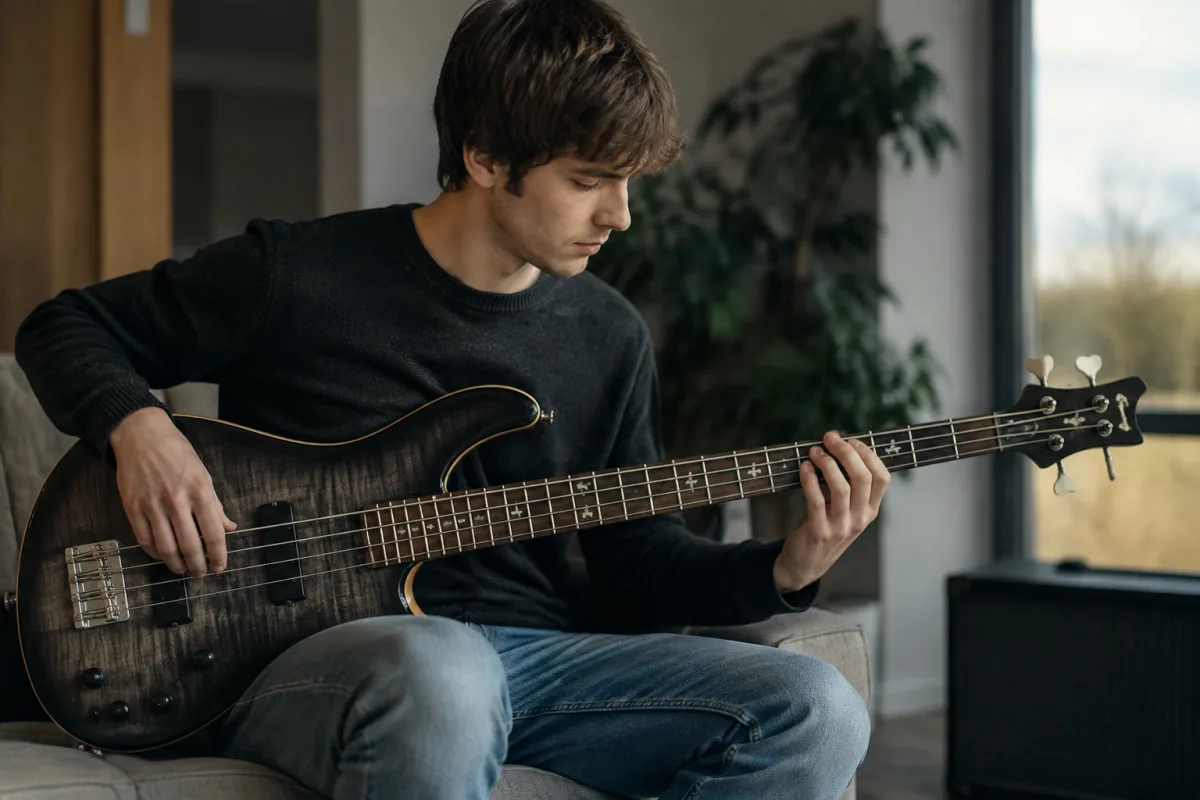
If you're beginning bass and considering a PRS bass guitar, you're making a surprisingly smart choice. PRS Guitars built their reputation on meticulous craftsmanship, exceptional playability, and tone that rewards developing technique. Many beginners assume they should buy budget instruments while learning, then upgrade later. With PRS bass guitars, that conventional wisdom collapses. A PRS bass designed for beginners doesn't compromise quality—it simply skips unnecessary features, keeping pricing manageable whilst maintaining the craftsmanship that makes PRS instruments genuinely special. This beginner's guide walks you through why PRS basses suit learning, what to expect physically and tonally, how to develop technique on a quality instrument, and why starting with a PRS bass accelerates your musical development in ways budget alternatives cannot match.
Why PRS Bass Guitars Suit Beginning Players
PRS has built a reputation on guitars that genuinely reward practice and technique development. Their bass instruments continue this philosophy. A PRS bass features ergonomic body design—comfortable to hold for extended periods, well-balanced sitting or standing, responsive to how you play it. The neck profile is typically comfortable for developing left-hand technique. Quality hardware responds predictably. The electronics are straightforward but sophisticated enough to explore tone without overwhelming complexity. These features matter enormously for beginners. An uncomfortable instrument creates bad habits. A bass that doesn't respond clearly to technique development frustrates learning. A PRS bass removes these obstacles, letting you focus on genuine musical development rather than fighting the instrument.
The PRS Bass Lineup for Beginners
PRS offers several bass models at various price points. The SE Series (PRS's more affordable line) features basses starting around £500–£700, with genuine PRS quality at more accessible pricing. These instruments feature PRS's characteristic design and build philosophy without premium materials or boutique finishing. The standard SE bass models are genuinely excellent for beginners—you're not sacrificing playability or tone for affordability. Mid-range PRS basses (£800–£1,200) offer enhanced appointments, premium woods, or unique features. Top-tier instruments exceed £2,000 and represent professional-grade investment. For most beginners, SE Series pricing represents genuine value and removes the guilt of "wasting money" on beginner gear—you're investing in quality that serves for years.
New vs. Used: Making the Financial Decision
New PRS bass guitars from authorised dealers include full warranty and manufacturer support. Used examples appear regularly—from players upgrading or pursuing different instruments. A used PRS bass costs 60–75 percent of new pricing depending on age and condition. Older PRS basses (from earlier production runs) sometimes offer exceptional value. Verify the instrument's authenticity through serial numbers and documentation. Examine condition carefully—check the frets, inspect the body for cracks, verify that electronics function properly. A professional setup after purchase (£40–£80) ensures optimal playability. Many beginners comfortably buy used PRS basses, appreciating the value whilst maintaining quality advantages.
Body Style and Comfort Matter Tremendously
PRS bass guitars come in various body styles—some sleeker and more contoured, others more angular and traditional. Hold multiple models before purchasing if possible. The bass should feel comfortable in your hands and balanced whether sitting or standing. Neck angle and body depth affect how naturally the instrument sits against your body. Left-handed players should verify that PRS offers left-handed versions (they do, though sometimes as special order). This comfort isn't luxury—it directly affects your willingness to practice and your developing technique. An uncomfortable bass creates tension, bad habits, and discouragement. A comfortable instrument encourages practice and lets proper technique develop naturally.
Understanding PRS Electronics and Tone
Most PRS bass guitars feature straightforward electronics—typically a volume control and tone control, sometimes with pickup selector switches. This simplicity is feature, not limitation. You're not confused by excessive controls; you're learning fundamental tone concepts through tweaking basic parameters. PRS pickups are typically warm, articulate, and responsive. This clarity rewards technique development—sloppy playing sounds sloppy; clean technique sounds clean. This feedback loop is invaluable for beginners. More complex electronics on higher-priced models add capabilities, but SE Series simplicity serves beginners perfectly.
Developing Technique on a Quality Instrument
Playing a quality PRS bass trains your hands differently than playing a budget alternative. Responsive hardware means you learn precise technique immediately—slack playing doesn't hide on a quality bass. Comfortable ergonomics encourage longer practice sessions. Tone that rewards technique development creates positive reinforcement. These factors combine to accelerate skill development genuinely. After six months on a PRS bass, you'll have stronger, more precise technique than someone who started on budget gear and upgraded later. You're not paying a "beginner tax"—you're making an efficient investment in proper development.
Maintenance and Long-Term Value
PRS bass guitars require standard bass maintenance—occasional fretboard conditioning, truss rod adjustment for seasonal changes, string replacement every few months depending on playing style. Nothing specialised or expensive. Professional setup/maintenance annually costs £60–£120. These costs are modest and similar to any quality bass. PRS basses hold value well—if you eventually sell yours, you'll recover 50–70 percent of your investment depending on condition. This resale value means your beginner PRS isn't a sunk cost—it's an investment with genuine return potential.
The Psychological Advantage of Quality Gear
Playing a genuinely good instrument creates psychological momentum. You feel like a "real bass player" when you're holding quality gear. This isn't vanity—it directly affects your commitment to practice and learning. You're less likely to abandon a £600 instrument compared to a £150 budget bass. The quality sound you produce immediately reinforces your decision to take bass seriously. These psychological factors accelerate learning and increase the likelihood you'll stick with bass long-term.
Common Beginner Mistakes to Avoid
Don't neglect professional setup after purchase. A poorly set-up PRS bass feels awkward, defeating its advantages. £50–£80 setup investment makes the difference between a playable instrument and frustration. Don't assume you'll "grow out of" a quality beginner bass quickly. Many players own their first PRS bass for years or decades—quality instruments improve with familiarity, not the reverse. Don't ignore the weight and balance when selecting a model. A neck-heavy bass creates shoulder tension and discourages practice. Don't upgrade immediately because you feel "more advanced"—upgrading should be motivated by specific needs, not restlessness. Finally, don't mistake "more expensive model" for "better for you." SE Series PRS basses serve beginners as well as premium models serve professionals.
Final Encouragement
Beginning bass with a PRS guitar is a genuinely intelligent choice. You're not compromising quality whilst learning. You're investing in an instrument that will reward your developing technique with clarity and responsiveness. For deeper context on PRS bass guitars and the broader bass landscape, explore the complete guide to PRS bass guitars. Your first months of bass playing establish technique patterns that shape your playing forever. Starting with a quality instrument means establishing patterns in the context of responsive feedback. That advantage compounds over years of playing. You're not wasting money on "beginner gear"—you're making the most efficient investment possible in your musical development. That's not just smart—it's genuinely encouraging. A PRS bass rewards daily practice with genuine tone and responsiveness. You're starting your bass journey with a partner that will improve as you improve, grow with you, and serve brilliantly for years to come.



Comments