


PRS Bass Guitars Buying guide
Prs Bass Guitars: A Complete Buyer's Guide
PRS bass guitar buying guide: evaluate American craftsmanship, inspect condition carefully, understand pricing, and avoid common issues.
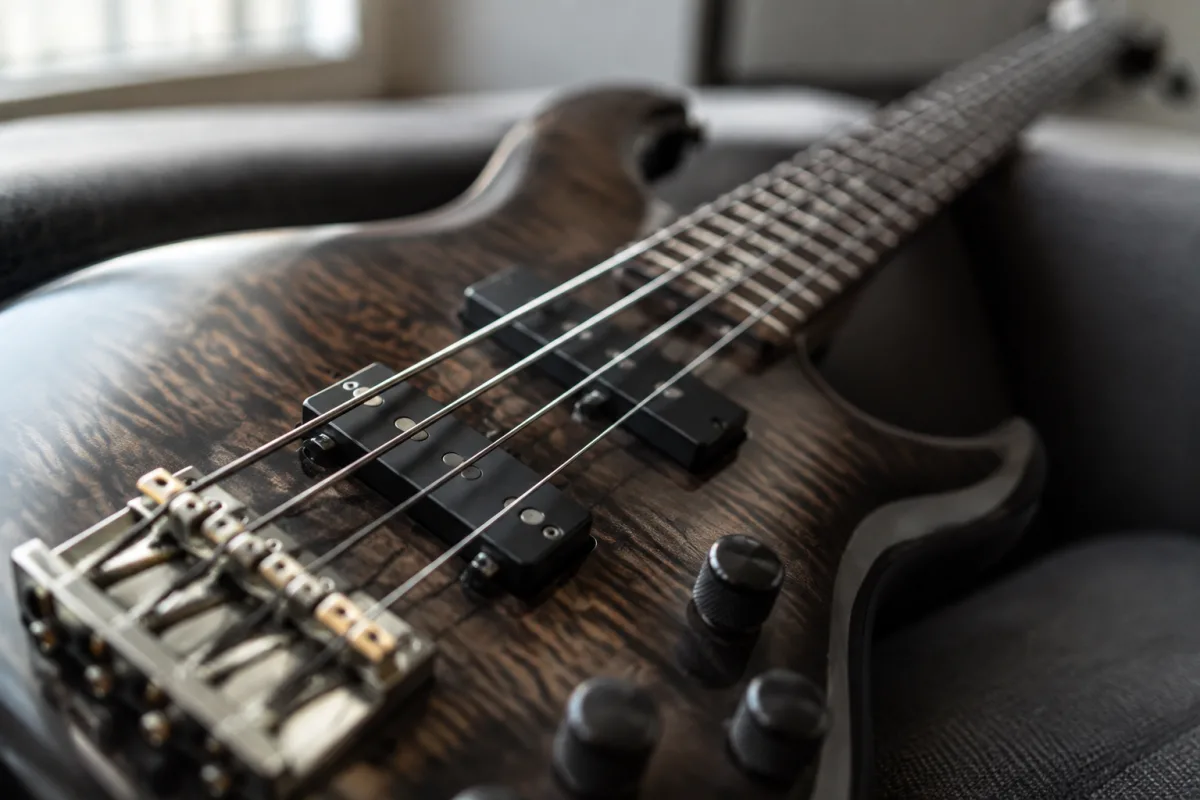
PRS bass guitars represent the upper tier of professional bass instruments, crafted by a maker celebrated for meticulous construction and tonal excellence. If you're considering purchasing a PRS bass, you're investing in American-made craftsmanship and an instrument built to professional standards. This buying guide focuses on the practical evaluation: understanding what distinguishes PRS basses across their model range, assessing condition and playability, spotting common issues, and determining whether a PRS bass matches your needs and budget. Unlike entry-level instruments, PRS basses demand careful evaluation to ensure you're making a justified investment.
Understanding PRS Bass Lineup and Production Status
PRS has produced bass guitars sporadically throughout their history, with varying degrees of availability. Current production status varies by year—PRS occasionally discontinues bass production, then reintroduces models years later. This matters significantly: recent PRS basses come with current warranty coverage, whilst older models may be out of production with uncertain support. Before shopping, verify current PRS bass availability through official channels to understand what's legitimately in production versus what's legacy inventory.
Different PRS bass models offer distinct specifications. The Mithras bass emphasises aggressive tone and modern aesthetics. The Kingfisher bass targets classic styling with vintage appeal. Semi-hollow body variants exist, each offering distinct tonal characteristics. Understanding which model you're pursuing prevents confusion when evaluating instruments and helps you gauge realistic pricing.
Build Quality and American Craftsmanship
PRS basses are manufactured primarily in the United States using carefully selected tonewoods and meticulous construction. Examine the wood grain and finish—PRS instruments display wood figure prominently, often featuring book-matched tops and clear finishes showcasing the material. This transparency reveals construction quality: any repair marks, grain anomalies, or finish problems are immediately visible. A flawless top finish suggests careful handling and storage.
Inspect the neck for perfect alignment with the body. Any gaps between neck and body joint indicate either sloppy construction or warping. PRS construction standards are high; visible gaps aren't acceptable on professional-grade instruments. The neck pocket should be snug with no movement when you grasp the neck and body separately and gently flex.
Hardware and Electronics Inspection
PRS basses typically feature high-quality hardware: stable bridges holding intonation reliably, smooth tuning machines (usually Schaller or equivalent), and solid hardware construction. Test each tuning machine by attempting to turn it gently—resistance should be moderate and consistent, with no grinding or squeaking. Any loose hardware should be addressed before purchase; tightening is straightforward, but loose hardware indicates neglected maintenance.
Electronics are critical on PRS basses. Test the input jack by plugging and unplugging a cable repeatedly—it should feel solid with no crackling or intermittent connection. Check all potentiometers (volume and tone controls) by turning them smoothly through their full range—no scratching or intermittent signal. If the bass has active electronics (onboard amplifier), test battery condition and verify the preamp powers on cleanly.
Fret Condition and Playability Assessment
Run your fingers along the fretboard carefully, feeling for flat spots or dents indicating excessive wear. Sight down the frets from the headstock—they should form a perfect line with no visible high or low points. Play every fret on the E and G strings to identify any buzzing, dead spots, or tonal inconsistency. Professional-grade PRS basses shouldn't require fret work if maintained properly, but age and use can necessitate refrets costing £500–800.
Action (string height above the fretboard) matters equally. Measure at the 12th fret: acceptable bass action typically ranges 2–3mm. Extremely high action makes playing difficult and suggests either poor setup or neck issues. Extremely low action causes buzzing. Ideal action balances playability against tonal resonance—PRS basses typically achieve this balance elegantly when properly set up.
Neck Geometry and Truss Rod Function
Examine the neck profile—PRS basses come in different neck shapes and sizes. Some feature slim modern profiles, others deeper vintage-style necks. Your preference here is personal, but consistency matters: verify the neck feels comfortable for your hand size and playing style. Test the neck profile by gripping it in various positions and ensuring you can comfortably fret notes without cramping.
The truss rod adjusts neck bow and represents the only mechanism correcting forward or back-bow. Test by attempting gentle clockwise and counterclockwise rotation—it should turn smoothly with moderate resistance. A stuck or grinding truss rod suggests internal corrosion or damage. Verify the truss rod cover (if present) is intact and not stripped.
Tonal Character and Resonance Testing
Play the bass unplugged first, listening to acoustic resonance. PRS basses should resonate clearly across the entire range with no dead zones or notes that sound thin compared to surrounding pitches. Plug into an amplifier and test through the full range again—electric tone should maintain consistency and clarity across all strings and positions.
Listen for tonal character specific to PRS design: typically described as punchy, articulate, and defined. Compare across the frequency range: low E should punch clearly without muddiness, midrange notes should cut distinctly, high notes should sing without harshness. If a note sounds thin, thin across multiple positions on different strings, or resonates poorly, acoustic construction issues rather than playing technique likely explain the problem.
Pricing Across PRS Bass Models
New PRS bass guitars typically retail at £3,000–5,000+ depending on specifications, wood selection, and whether they're current production or custom shop builds. Used PRS basses track market value based on age and condition; a 5-year-old PRS bass in excellent condition typically costs £1,500–3,000. Older or well-played instruments may command £800–1,500. Heavily damaged or problem PRS basses occasionally appear at deep discounts (£400–800), but these represent project instruments requiring professional restoration.
Price reflects American craftsmanship and meticulous construction. This is significantly higher than budget bass guitars but justified by superior build quality, tonal character, and resale value. If your budget is under £1,000, consider whether PRS aligns with your financial priorities or if alternatives at lower price points make more sense.
Common Issues and Pitfalls on Used PRS Basses
The most frequent problem: neglected maintenance leading to electronics corrosion or hardware oxidation. A PRS bass that hasn't been professionally serviced in years may have output jack corrosion, deteriorating capacitors, or sluggish potentiometers requiring service (£100–300). Budget this cost if purchasing a well-used instrument.
Another issue: neck bowing or twisting from climate extremes. PRS wood is carefully selected and stable, but improper storage (extreme humidity or temperature swings) can cause problems. Significant bowing requires professional neck straightening or refrets—expensive and worth considering as a negotiation point.
Avoid any PRS bass showing signs of water damage, deep cracks in the body or neck, or damage to the top finish exposing internal wood. These represent major restoration projects that rarely justify the cost relative to the instrument's value. Similarly, be wary of any instrument that sounds thin or dead across multiple positions and strings—this suggests internal structural or acoustic issues difficult to diagnose without professional evaluation.
Professional Evaluation and Setup
Given PRS bass guitars' price point, professional inspection before purchase is worthwhile. A luthier or experienced bass technician (typically charging £50–100 for evaluation) can assess internal condition, predict maintenance requirements, and advise whether the specific instrument represents good value. This small expense often saves thousands by identifying hidden problems before you commit.
Budget for professional setup after purchase—typically £80–150 for action adjustment, intonation refinement, and overall optimisation. This investment ensures the bass performs at its capability potential and extends the instrument's lifespan through preventive maintenance.
For comprehensive information about PRS bass features and capabilities, refer to the complete guide to PRS bass guitars, which explores design philosophy and technical specifications in depth.
Making Your Investment Decision
PRS bass guitars justify their price through superior construction, professional tonal character, and resale value. Evaluate any candidate carefully: inspect build quality meticulously, test playability thoroughly, verify electronics function cleanly, and budget for professional setup. This isn't an impulse purchase—it's an investment in an instrument you may play for decades. Take your time, compare examples if possible, and don't commit until you're genuinely confident the specific bass meets your needs and represents fair value.


Comments