


Pick Jazz 3 Buying guide
Pick Jazz 3: A Complete Buyer's Guide
Upgrading jazz bass pickups transforms your tone, but choosing wisely requires understanding tone characteristics, compatibility, and genuine value versus marketing hype.
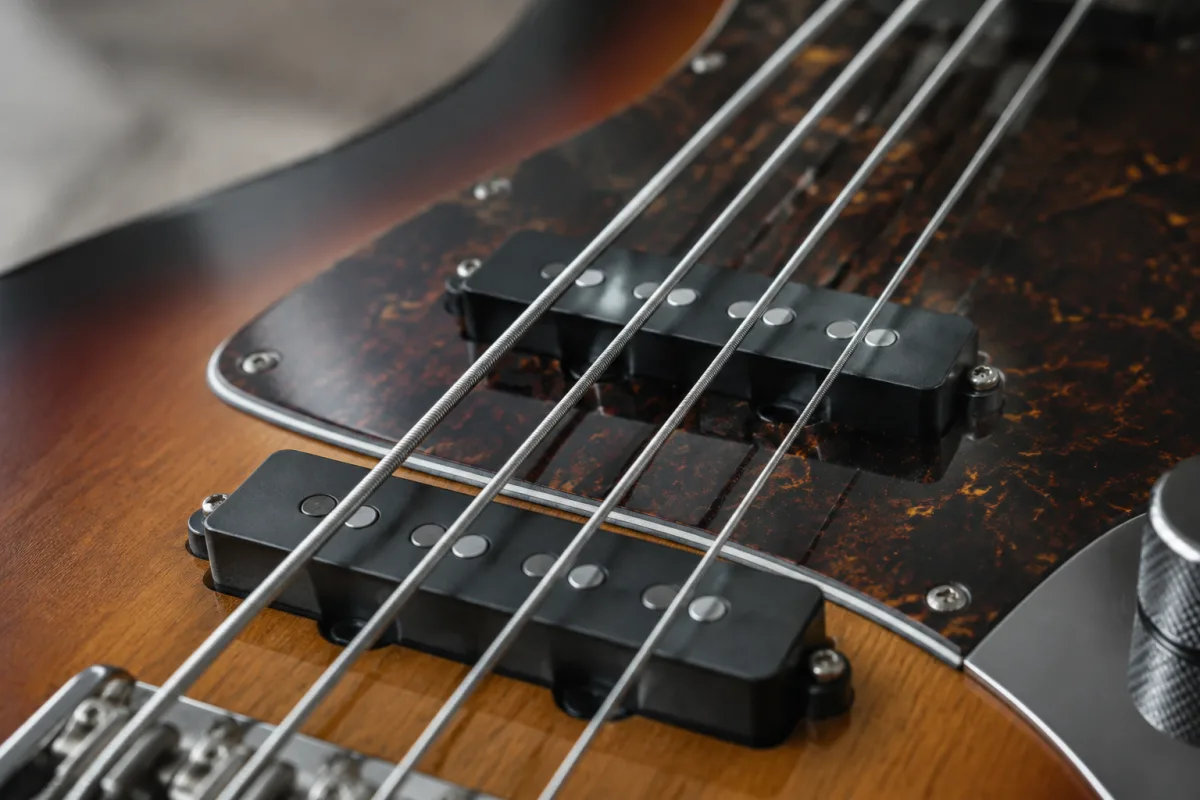
Buying Jazz Bass Pickups: What Matters When You're Choosing
If you're considering upgrading your jazz bass with new pickups, you're making a decision that'll genuinely shape your tone for years to come. But walking into the market without knowing what separates a quality jazz bass pickup from an expensive trap is a sure way to waste money. Here's what you actually need to know before spending.
Understanding What Jazz Bass Pickups Do
A jazz bass typically has two single-coil pickups — one near the neck, one near the bridge. These pickups capture string vibrations and convert them to electrical signals. The position, design, and coil configuration of those pickups determine your available tone palette: everything from warm, thick lows to bright, cutting highs.
If you're upgrading pickups, you're not just changing components — you're fundamentally altering the instrument's sonic character. A set of well-chosen pickups can transform a mediocre bass into something genuinely inspiring. Poor pickups choices leave you fighting your instrument's limitations.
The Real Price Tiers: What Budget Actually Gets You
Jazz bass pickups range from roughly £80 for budget replacements to £300+ for premium options. The pricing generally reflects genuine quality differences, but not always proportionally.
Budget pickups (£80–£150) are often direct replacements for stock equipment. They'll improve clarity and output, but they're rarely exceptional. They sound competent and reliable — that's about it. If you're a gigging player and your stock pickups are damaged, budget replacements do the job.
Mid-range pickups (£150–£220) are where most serious jazz players land. Brands like Seymour Duncan and EMG offer excellent options at this price point. You'll get genuine tonal character — articulation, warmth, or presence depending on the specific model — and reliability that lasts decades. This tier represents the best value for genuine tone improvements.
Premium pickups (£220+) add refinement: hand-wound options, boutique specifications, exotic materials. Are they worth double the price of mid-range? That depends on your ears and your budget. For most players, mid-range pickups deliver 85% of the benefit at half the cost.
Tone Characteristics: What to Actually Listen For
Different pickup designs deliver different tonal palettes. Before buying, you need to understand what sound you're chasing.
Classic jazz bass pickups (think Fender standard) deliver a warm, round tone with thick lows and rolled-back highs. They're forgiving with technique, but they lack edge in dense mixes. If you play straight-ahead jazz or funk, these suit you perfectly.
Modern active pickups add output and presence — brighter highs, more defined mids, punchier lows. They cut through dense bands and recording mixes brilliantly. The trade-off is subtlety; they're less forgiving of sloppy technique and can sound aggressive in quiet contexts.
Passive modern designs split the difference: better presence than classic vintage pickups, but retaining that organic warmth. These are genuinely versatile and suit players exploring multiple genres.
Listen to examples before deciding. YouTube videos of players demoing specific pickups are invaluable — you'll hear the actual sonic difference, not marketing language.
Compatibility: The Hidden Pitfall
Not all jazz bass pickups fit all jazz basses. Dimensions, mounting systems, and wiring configurations vary. A pickup that's perfect for a Fender might not fit a Yamaha. A 1960s Fender jazz bass has different specifications than a modern one.
Before ordering, confirm your bass's exact model and measure your pickups' dimensions. Contact the manufacturer if you're uncertain. Installing the wrong pickups can mean expensive return shipping and frustration. Getting it right from the start costs slightly more research, but zero heartbreak.
Active vs Passive: A Significant Choice
Passive pickups work without batteries and preserve the bass's natural character. They're simple, reliable, and require no additional circuitry. Active pickups require a preamp (battery-powered or mains-powered) and offer more tonal shaping options.
Installing active pickups in a passive bass requires routing for a preamp and battery compartment — a significant modification. If you're just upgrading pickups, stay passive unless you've deliberately decided to go active. Retrofitting is expensive and permanent.
Impedance and Output Level: Technical Matters That Affect Real Playability
Different pickups have different impedance levels and output strengths. A high-output pickup will push your amp harder; a lower-output pickup demands more amplification to achieve the same volume.
This matters if you're recording or playing through solid-state amplifiers with sensitive inputs. A mismatch can mean either lost signal or unwanted distortion. Check your amp's input specifications and the pickup's output levels before buying. Most modern combinations work fine, but it's worth confirming.
Common Buying Mistakes: Learn from Others
The biggest mistake is buying premium pickups thinking they'll fix technique or tonal problems caused by poor playing or amplification. New pickups can't fix those. If you're unhappy with your tone, play more, listen more, and consider your amp and technique before upgrading pickups.
The second mistake is choosing pickups based purely on the brand name. A well-known manufacturer isn't always the best choice for your specific bass and budget. Research specific models, not just brands.
The third mistake is installing pickups yourself without proper knowledge. Jazz bass wiring is straightforward, but mistakes can be expensive. If you're uncertain, pay for professional installation. It's worth the peace of mind.
The Installation Question: DIY vs Professional
If you're comfortable with soldering and understand wiring diagrams, installing jazz bass pickups yourself is genuinely doable. Most wiring is straightforward and well-documented online.
If you're uncertain, don't gamble. A luthier or guitar tech can install pickups for £50–£150 depending on complexity. That cost is worth avoiding a wiring disaster that requires expensive repairs.
Making Your Final Decision
Here's the honest truth about jazz bass pickups: there is no universally "best" choice. The right pickups are the ones that deliver the tone you're chasing within your budget, and that physically fit your instrument. Test different options on YouTube or through forums where other players have reviewed them. Ask experienced bass players what they're using and why.
Don't rush. A new set of pickups is a commitment that lasts years. Spend time understanding what sound you actually want, not what marketing tells you to want. Then choose based on that clarity, and you'll avoid expensive regret.
For deeper context on jazz bass pickups and their role in your instrument's tone, read our complete guide to pick jazz 3.



Comments