


P Bass Buying guide
P Bass: A Complete Buyer's Guide
Buying your first P bass requires understanding specifications, budget categories, and playability factors. This guide walks you through essential considerations for choosing a quality instrument.
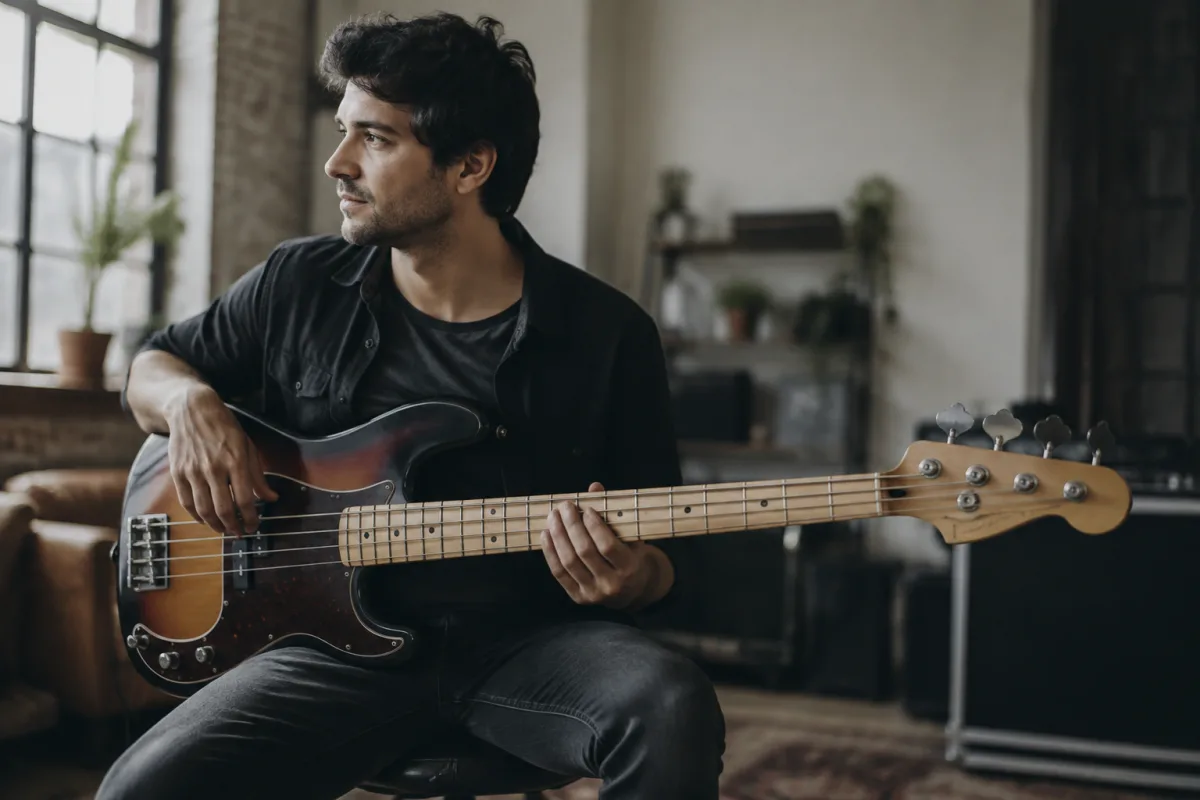
Buying your first P bass or upgrading to a quality instrument requires understanding what separates a great bass from an average one. Whether you're shopping for a budget-friendly starter model or investing in a premium instrument, knowing which specifications and features matter will help you make a confident purchase decision. This guide walks you through the essential considerations when selecting a P bass that matches your budget, playing style, and musical goals.
Understanding P Bass Specifications
When examining P basses, several key specifications determine how the instrument will play and sound. The scale length—typically 34 inches on standard P basses—affects string tension and playability. A longer scale provides tighter string response, whilst shorter scales like 30 inches offer easier fretting for players with smaller hands. The body wood type significantly influences tone; ash produces bright, punchy tones whilst mahogany delivers warmer, rounder frequencies. Maple necks are more stable than alternatives, resisting humidity changes that can cause warping.
The pickup configuration defines your sonic character. A P bass features a split-coil pickup designed to reduce hum and produce that iconic warm, woody tone. Check whether the pickup is ceramic or alnico magnet construction—ceramic offers punchy projection whilst alnico delivers smoothness ideal for session work. The number of frets matters too; 20-22 frets provide adequate range for most bass players, though 24-fret models give extended upper register access.
Budget Categories and What to Expect
| Price Range | Build Quality | Hardware | Best For |
|---|---|---|---|
| £200–£400 | Budget construction; acceptable playability | Basic tuners and bridge | Beginners, hobby players |
| £400–£800 | Solid construction; good craftsmanship | Quality tuners, improved bridge | Intermediate players, semi-professional use |
| £800–£1,500 | Excellent build; attention to detail | Premium hardware; improved electronics | Professional players, demanding genres |
| £1,500+ | Premium materials; mastercraft construction | High-end hardware; custom options | Studio players, touring musicians |
Playability and Comfort Factors
Before purchasing, test the action—the string height above the fretboard. A well-set action typically measures 2mm on the E string and 1.5mm on the G string, allowing comfortable playing without excessive finger strain or fret buzz. Neck profile varies between models; some players prefer thick, chunky necks for stability, whilst others favour slim, fast-playing profiles. Try several to discover your preference.
Weight is often overlooked but profoundly affects your playing experience. A P bass typically weighs 8–10 pounds; lighter instruments reduce fatigue during long rehearsals or performances, whilst heavier models sometimes offer superior sustain. The strap button placement matters if you play standing up—buttons positioned near the body's edge provide better balance than those placed awkwardly.
Tuning machine quality directly impacts tuning stability. Check that tuners rotate smoothly without grinding or play. Sealed tuners resist corrosion and maintain accuracy longer than exposed designs. The bridge should hold strings securely with minimal movement when bent or played aggressively.
Pickup and Electronics Considerations
The P bass pickup is the instrument's heart, creating that distinctive fat, punchy voice. When evaluating pickups, listen for hum levels—quality construction minimises electrical noise. Experiment with pickup height; raising it increases output and aggression, whilst lowering softens the tone. Some P basses offer active electronics with onboard preamps, providing greater tonal flexibility through EQ controls, though active systems require battery replacement every 6–12 months.
Passive electronics demand less maintenance and preserve the classic P bass character that countless bassists love. If the model includes a volume pot and tone control, test both to ensure smooth operation without crackling. A quality volume pot should taper consistently without dead zones.
Common Buying Mistakes to Avoid
Prioritising aesthetics over functionality often leads to buyer's remorse. A gorgeous-looking P bass plays poorly if the frets are poorly crowned or the neck bows under string tension. Examine the fretboard under bright light for irregularities. Avoid models with deeply scratched or discoloured pickups—these may indicate poor previous maintenance or environmental damage.
Don't assume cheaper necessarily means poor value. Many budget-friendly P bass copies from established manufacturers offer surprising playability and tone. Conversely, a high price tag doesn't guarantee superior quality; established brands command premium prices partly for reputation. Negotiate on price when purchasing from dealers—many offer modest discounts, especially for cash purchases or customer loyalty.
Overlooking setup quality costs money later. A P bass poorly adjusted at the factory may require professional setup costing £50–100. Ask the dealer whether your chosen model has been professionally checked and adjusted before delivery. Request a setup or discount if it hasn't.
Where and How to Purchase
Music shops offer the advantage of hands-on testing and immediate support. Staff can advise on setup and maintenance, though selection may be limited. Online retailers provide wider choice and often better pricing, but you cannot test the instrument before purchase. Buy from reputable sellers with clear return policies allowing at least 14 days for returns. Always inspect the instrument immediately upon delivery for shipping damage.
Second-hand P basses can represent excellent value if you know what to look for. Check the neck for cracks—these are costly to repair. Play every fret on every string listening for buzzing or dead spots. Ask about the instrument's history; basses used hard on tour or in damp environments may harbour hidden problems. For more context, explore our detailed P bass overview explaining the instrument's distinctive features and history.
New vs. Vintage Models
Vintage P basses command premium prices due to rarity and historical significance. Whilst some vintage instruments play beautifully, others suffer from fret wear requiring expensive refurbishment. Modern P bass reproductions capture vintage character at realistic prices, with improved reliability and consistency. Unless you specifically want vintage tone and history, newer models typically offer better value and longevity.
Selecting the right P bass combines practical consideration of specifications, budget awareness, and honest assessment of your playing needs. Take time testing instruments, checking construction quality, and understanding what each feature contributes to your playing experience. A well-chosen P bass remains a rewarding investment, whether you play rock, funk, jazz, or any genre seeking that warm, fundamental bass tone.


Comments