


Overdrive Guitar article
The Complete Guide to Overdrive Guitar
An overdrive guitar is built with hot pickups, resonant tonewoods, and active electronics to naturally drive amplifier preamps into smooth, musical saturation without needing extreme volume.
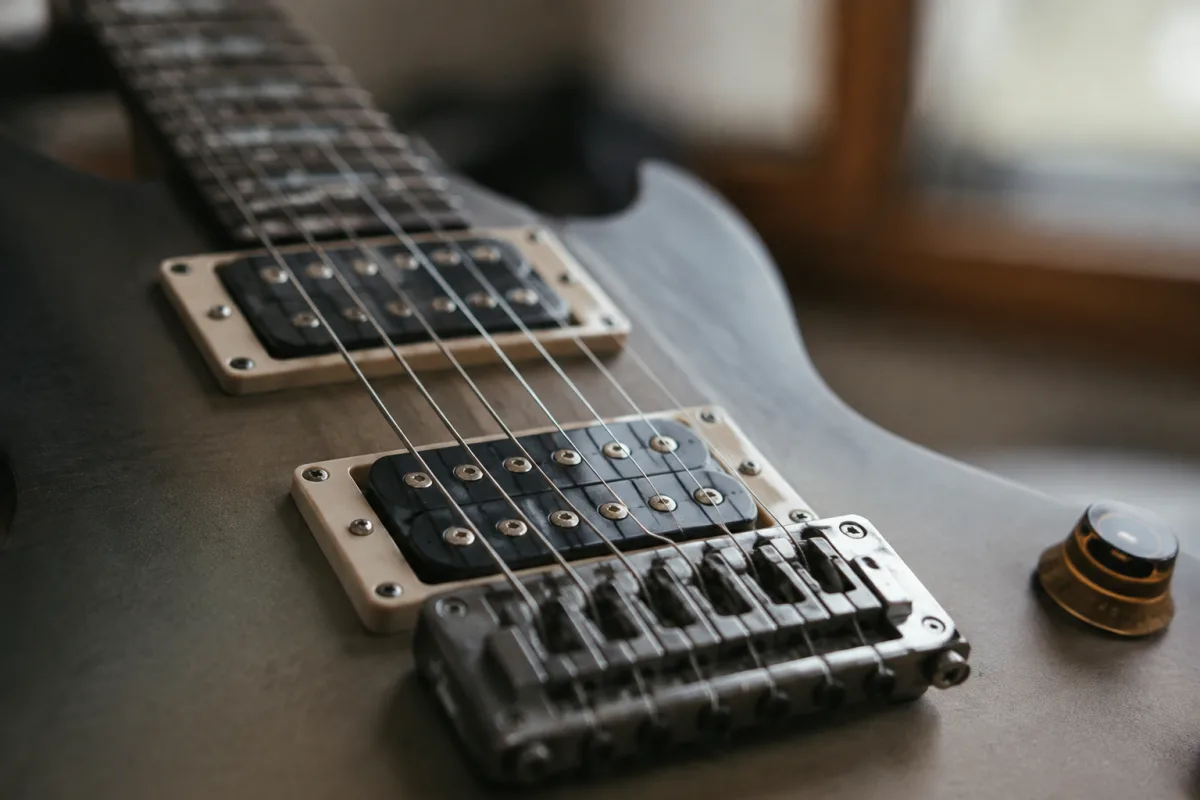
An overdrive guitar refers to a guitar with a natural propensity to overdrive its amplifier, or a guitar specifically voiced and wired to achieve overdrive tones through its electronics or pickup configuration. Overdrive has moved from a purely amplifier-driven phenomenon into the domain of the instrument itself, with players now choosing guitars on their ability to drive preamps and desk circuits into natural saturation. Whether you're exploring the tonal sweet spot between clean and distortion, or you're building a rig centred on overdrive textures, understanding what makes a guitar sit in that middle zone is essential.
What Is Overdrive on a Guitar?
Overdrive occurs when an amplifier's input stage receives a signal hotter than it can cleanly amplify, causing the peaks of the waveform to compress and distort. Unlike full distortion, overdrive preserves the original tone shape whilst adding harmonic warmth and natural breakup. A guitar contributes to overdrive through pickup output level, wood resonance, and wiring choices.
An overdrive guitar pushes that boundary deliberately. High-output pickups, certain tonewoods, and active electronics are tools that a builder uses to create an instrument predisposed to easy overdrive. The result is a guitar that responds responsively to light to medium gain settings and sounds intentionally voiced for that particular tonal realm.
Pickup Output and Overdrive
The heart of an overdrive guitar is its pickup selection. High-output pickups generate more signal than vintage designs, meaning they saturate an amplifier faster. A guitar fitted with vintage-style pickups requires cranking the amp volume or using an overdrive pedal to achieve overdrive; a guitar with hot pickups reaches that zone at moderate volumes.
Humbucker pickups—especially wound with thicker wire or more coils than standard—are the classic overdrive guitar choice. They produce a naturally thick, woody fundamental that compresses smoothly into overdrive saturation. Single-coil pickups can overdrive, but they tend to produce sharper, noisier distortion, so builders aiming for smooth overdrive typically favour humbuckers.
Active pickups (powered by onboard electronics) can deliver even higher output, though they introduce a slight high-end compression that some players love and others find less organic than passive designs.
Tonewood and Natural Resonance
Tonewoods influence how easily a guitar pushes into overdrive. Mahogany bodies—warm and resonant—tend to voice overdrive in a woody, compressed, singing way. Ash and alder bodies, brighter and snappier, produce overdrive with more definition and articulation. Maple tops, if present, add brightness and sparkle to overdrive tones. The grain, density, and age of the wood all subtly influence the midrange and sustain that emerge once the amp is saturating.
An overdrive guitar usually pairs warm, dense tonewoods with hot pickups. That combination creates a tonal signature—aggressive enough to hit overdrive easily, yet characterful enough to sound intentional rather than accidental.
Active Electronics and Preamps
Modern overdrive guitars often include onboard preamps or boost circuits that increase signal level before the signal leaves the guitar. These active systems let a player control exactly how hard they hit the amplifier's input, giving precise command over the overdrive threshold. A guitarist with an active overdrive guitar can dial in the exact amount of saturation the song demands, using the guitar's own volume knob, without needing a separate overdrive pedal.
Three-band EQ systems onboard some overdrive guitars allow shaping the character of the overdrive—boosting mids for singing lead tones, or reducing highs for thicker rhythm overdrive.
Wiring and Tone Circuits
How a guitar is wired affects its natural overdrive character. Vintage wiring (often found on Telecasters and Stratocasters) can be darker, warmer, and more susceptible to early overdrive. Modern, lower-impedance wiring can be brighter and more resistant to overdrive. An overdrive guitar builder chooses wiring to complement the pickup and tonal vision. Capacitor value in the tone control, shielding inside the body, and cable routing all play subtle roles in determining how the instrument behaves once it starts to saturate.
Overdrive Guitar vs. Overdrive Pedal
An overdrive pedal sits in your signal chain and adds overdrive on demand. An overdrive guitar is built to produce that texture at the source. The practical difference: a guitar voiced for overdrive sounds naturally that way through any amplifier, whilst an overdrive pedal is a tool you switch on. Many players use both—a naturally overdriven guitar feeds an overdrive pedal for extra texture or to push the amp even harder when the song requires it.
Some players prefer the organic response of an overdrive guitar; others prefer the consistency and flexibility of a pedal. Neither is wrong—they serve different philosophies of tone-building.
Genres and Musical Contexts
Overdrive guitars suit several genres well:
- Blues and blues-rock players love overdrive guitars for their smooth, singing saturation
- Hard rock and grunge musicians use them for aggressive yet controlled tones
- Post-rock and indie players appreciate the dynamic responsiveness to playing technique
- Funk and soul guitarists use overdrive guitars for crispy, percussive rhythm textures
- Jazz and fusion musicians use moderate overdrive for warmth without losing note definition
Overdrive is less common in metal, where players typically prefer either clean tone or full distortion. Country and traditional rock often favour cleaner tones. But contemporary music has blurred those boundaries, and many genres now incorporate overdrive as a core texture.
Choosing an Overdrive Guitar
If you're drawn to overdrive tones, consider:
- Pickup output (hot humbuckers are a safe bet for reliable overdrive)
- Tonewoods that suit your musical context (mahogany for warmth, ash for clarity)
- Whether active electronics appeal to you or if you prefer the simplicity of passive pickups
- Playability and comfort, which matter as much as tone
- Budget and whether a boutique build or a production model fits your needs
Try several guitars and amplifiers together, because the interaction between a guitar and an amp's preamp is where overdrive character truly emerges.
Amplifier Pairing
An overdrive guitar shows its best self through an amplifier that responds well to pushed input levels. Tube amplifiers typically produce smoother, more musical overdrive than solid-state designs, because tubes naturally compress and warm as they saturate. A 50W tube amp cranked to breakup can sound stunning with an overdrive guitar. A 100W or larger amp lets you achieve overdrive at lower volumes, useful for recording and rehearsal without disturbance.
The preamp tube type (12AX7, EL34, EL84) influences overdrive character. EL84 tubes tend to breakup earlier and sound brighter; EL34 and larger power tubes saturate more smoothly and musically.
Conclusion
An overdrive guitar is an instrument built or chosen to naturally push into that sweet saturation zone between clean and distortion. Whether through high-output pickups, resonant tonewoods, active electronics, or clever wiring, an overdrive guitar streamlines your path to that tonal character. If overdrive is your primary texture, choosing a guitar voiced for it means less reliance on external pedals and more direct, intuitive control. Combined with the right amplifier, an overdrive guitar can become a reliable, expressive tool for exploring everything from subtle blues saturation to aggressive modern rock textures.


Comments