


Orange Amp Pedal article
Orange Amp Pedal for Beginners: A Complete Guide
Orange amp pedals offer professional tone in portable form, but beginners need to understand setup requirements and timing. This guide walks you through whether an Orange amp makes sense for you and how to get started.
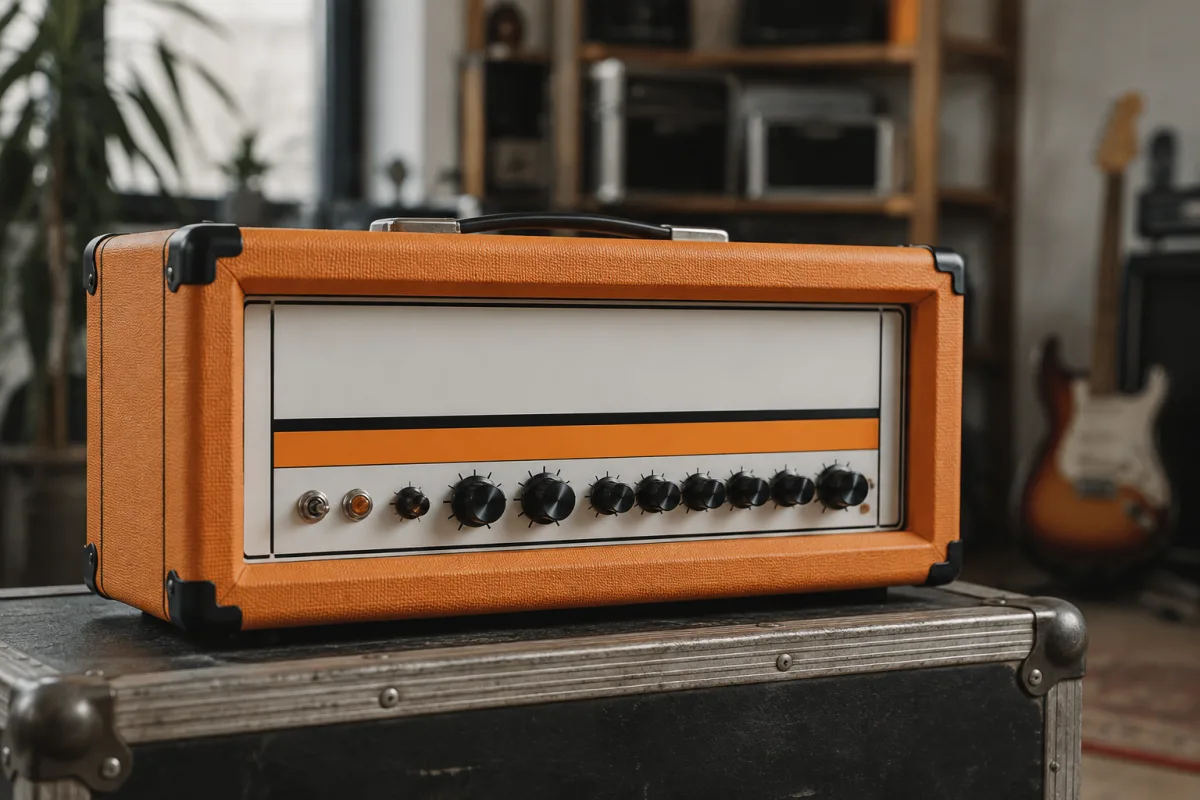
Orange Amplifiers are legendary in the music world for warm, responsive tone and robust British craftsmanship. But when you're a nervous newcomer considering an Orange amp pedal—a compact amplifier designed to sit on your pedalboard—the prospect feels intimidating. What's the difference between Orange's offerings? Will it work with my gear? Is it actually worth the investment for a beginner? This guide walks you through what an Orange amp pedal actually is, whether it suits your needs, and how to get started without confusion or regret.
What Is an Orange Amp Pedal?
Orange makes several compact amplification solutions designed for modern musicians. The most relevant for beginners are their compact "pedal-sized" amp heads—essentially small amplifiers (usually 20–100 watts) that sit on a pedalboard or stand beside your effects setup. Unlike full-size amp heads that occupy entire cabinets, Orange pedal amps are designed for portability and gigging musicians who need serious tone in compact form.
For beginners, this is genuinely useful. A traditional amp setup requires a head (amplifier) plus a cabinet (speaker enclosure)—expensive and physically large. An Orange pedal amp plugs directly into a powered speaker or amplifier, giving you professional tone in a smaller package. It's a bridge between bedroom-practice amps and stadium-grade equipment.
Why Beginners Are Attracted to Orange Amps
Orange amps have iconic status, particularly in rock, metal, and progressive music. Beginners drawn to these genres often research Orange gear and wonder whether it's attainable. The honest answer: Orange pedal amps are expensive compared to beginner-level gear, but they're more affordable than full-size Orange rigs. For serious beginners willing to invest in quality, they make sense.
The deeper draw is tone. Orange amplifiers are famous for their responsive, warm character. Even at low volumes, they sound intentional and musical. For beginners frustrated by tinny practice amps, upgrading to an Orange pedal creates immediate, tangible improvement. This motivation—hearing your guitar sound genuinely good—is powerful and worth some financial investment if you're confident you'll stick with music.
The Reality Check: Is an Orange Amp Pedal for You?
Orange Pedal Amps Work Well If: You're a serious beginner committed to regular practice and improvement. You've been playing 6–12 months and consistently practice. You care about tone quality and want gear that rewards skill development. You plan to play live eventually or perform in bands. You're willing to invest £300–600+ in amplification.
Orange Pedal Amps Are Less Ideal If: You're in your first month of learning and uncertain whether you'll stick with music—invest in something cheaper first. You're on a strict budget and need to prioritise purchasing a decent guitar. You play casually in your bedroom and have no interest in live performance. You're focused on a genre where vintage or alternative amps are more appropriate to the sound.
Understanding Orange Amp Pedal Models
Orange offers several pedal-sized options targeting different needs. Understanding the lineup prevents buying more amp than you need or making compromises you'll regret.
Orange Micro Dark: A compact head (around 20 watts) designed primarily for practicing and low-volume playing. It's smaller and more affordable than larger Orange pedal amps, ideal for bedroom musicians transitioning beyond beginner-level practice amps. Around £300–400, it's the entry point to Orange tone without the expense of a full-size amp.
Orange Dark Terror: A 15-watt amp specifically designed for heavy, modern tones. The "Dark" designation indicates it's optimised for distortion and gain-focused playing rather than clean tone. If you're a metal or hard rock player, the Dark Terror is Orange's recommendation. Around £400–550.
Orange Crush: Orange's more affordable line, offering solid tone at lower price points (£100–250). While not the "true Orange experience" that boutique amps provide, Crush amps are genuinely good and especially valuable for beginners not ready to invest £500+ on amplification.
Orange Jim Root Terror: A specialised model designed in collaboration with Slipknot's Jim Root, optimised for heavy distortion and metal tones. Around £500–600. Only relevant if heavy metal is your target genre.
Powering an Orange Amp Pedal: What You Actually Need
A common beginner misconception: Orange amp pedals are plug-and-play. They're not—you need external amplification. The pedal amp is the head (tone shaping), but you need to run it through a powered speaker, keyboard amp, or full-size amp cabinet to actually hear sound.
For bedroom practice, a small powered speaker (£80–150) works perfectly. For live situations, you'd use the venue's amplifier cabinet or bring your own. Understanding this upfront prevents frustration when you buy an Orange pedal amp expecting it to produce sound and discover it needs external amplification.
Your First Session: Getting Sound Comfortably
Once you have an Orange pedal amp and a powered speaker, the setup is straightforward: guitar → pedal amp → powered speaker. Press the power button. Plug in your guitar. Adjust the volume knob on the Orange. Turn on the powered speaker. Play. You'll hear your guitar through Orange's tone. This is the moment many beginners feel their playing "click"—the tone is so responsive and musical that practicing feels genuinely rewarding.
Expect the learning curve to be gentle. Orange amps have simple controls—gain, tone, volume—not unlike smaller practice amps. The difference is responsiveness and character. The Orange will sound good at any volume and reward your developing technique with responsive, warm tone.
Common Beginner Mistakes With Orange Amps
Mistake One: Buying Without Powered Speaker Learners often buy an Orange pedal amp expecting it to make sound independently. It doesn't. Budget for a powered speaker in your amp purchase plan. No powered speaker = no sound = wasted money on the Orange.
Mistake Two: Comparing Micro Dark to Dark Terror Beginners sometimes think "Dark" automatically means heavier or better. Both are Orange quality, but they're optimised for different things. Micro Dark = practice focused. Dark Terror = live performance focused. Choose based on volume needs and playing style, not model names.
Mistake Three: Expecting Instant Transformation An Orange amp doesn't make you a better player. It reveals your playing more clearly—good technique sounds great; sloppy technique sounds sloppy. Some beginners are shocked that upgrading amps exposes their technical weaknesses. This isn't the amp's fault; it's honest feedback that accelerates your learning.
Mistake Four: Neglecting Cable Quality Orange amplifiers reveal poor-quality cables and cheap electronics ruthlessly. Invest in decent instrument cables and a quality powered speaker. Saving money on cables then complaining that the Orange "doesn't sound good" wastes both money and defeats the purpose of premium amplification.
Building Your Orange Amp Setup: Budget Planning
Plan for these costs:
- Orange Pedal Amp (Micro Dark): £300–400
- Powered Speaker: £80–150
- Quality Cables (instrument + speaker): £30–60
- Power Cable and Accessories: £20–40
- Total Entry Setup: £430–650
This is meaningful money for beginners. Only commit if you're confident you'll stick with music for at least a year and practice regularly.
When to Buy an Orange Amp as a Beginner
The ideal timing is 6–12 months into consistent playing. By then, you understand your playing style, know whether you're serious about music, and can articulate what tone you're searching for. Beginners who buy Orange amps at month two often regret the investment because their needs and preferences aren't yet formed. Wait until you have playing experience, then invest with conviction.
For a deeper exploration of Orange amplifiers, tone shaping, and how to integrate an amp pedal into a complete rig setup, see our complete guide to Orange amp pedals, which covers advanced techniques, compatibility considerations, and long-term ownership strategies.
Your Permission to Invest (Or Not)
An Orange amp pedal is a genuine investment in your musical development, not a casual purchase. If you're practicing daily, genuinely care about tone, and plan to play live eventually—it's worth the money. If you're uncertain whether you'll stick with music or play casually—wait and save that money for your next purchase when you're more certain. Either decision is completely valid. Orange amps will still exist when you're ready. For now, focus on building fundamentals on gear you already have. The tone quality matters far less than your commitment to practice.


Comments