


Marshall Pedals Buying guide
Marshall Pedals: A Complete Buyer's Guide
Understanding Marshall pedals—from classic Guv'nors to modern variants—helps you choose the right tone tool for your rig and budget.
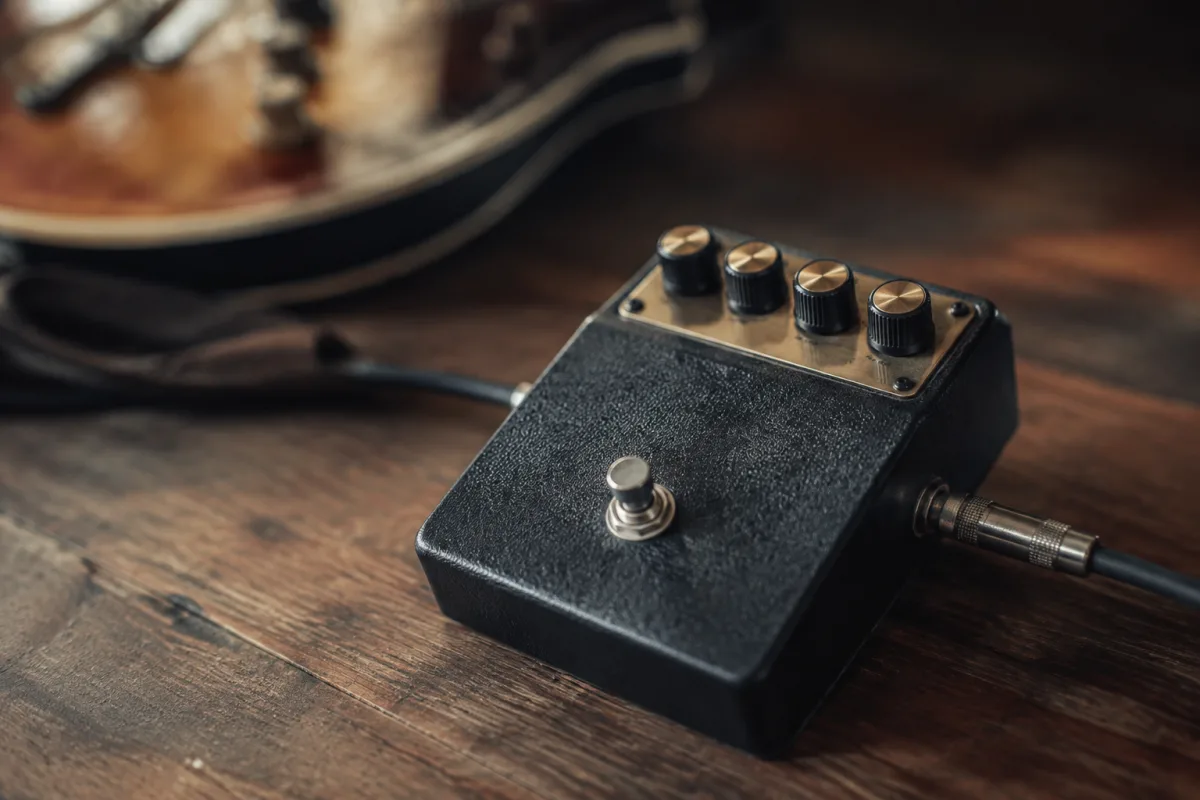
Marshall pedals bring the legendary amplifier brand's tone-shaping philosophy into compact, pedalboard-friendly formats. Whether you're building a guitar effects rig or upgrading a single tone tool, understanding Marshall's pedal lineup—what makes each unique, how they sound, and what you should actually pay—helps you make smart purchasing decisions and get genuine value from your investment.
The Marshall Pedal Philosophy
Marshall built its reputation on powerful, articulate amplified tone. Their pedals follow the same design principle: clarity, punch, and character. Marshall pedals aren't about experimental effects or gimmicks; they're about delivering recognisable Marshall tone in a format you can stack with other tools on a pedalboard.
Most Marshall pedals use analogue circuitry rather than digital processing, meaning the tone character is defined by tube-like response and harmonic warmth rather than algorithmic precision. This appeals to players who value instrument-to-speaker signal integrity and aren't chasing pristine digital effects.
Marshall Pedal Categories and Lineups
Marshall produces several pedal families, each with distinct positioning and price:
- Guv'nor and Guv'nor Plus (overdrive/distortion): The flagship Marshall pedal for decades. Warm, responsive overdrive that stacks well with other effects or amp distortion. The original is a classic; the Plus adds more tone-shaping. Vintage models command premium prices; modern re-issues are more affordable but lack some of the charm of 1990s originals.
- Shredmaster (high-gain distortion): A heavier-hitting distortion than the Guv'nor, voiced toward rock and metal. Aggressive and musical—not a fizzy synth-lead tool. Sought-after on the used market; often pricey.
- Jackhammer (overdrive): A modern addition to the Marshall line, designed to capture classic overdrive character with modern feature set. More compact than legacy models; solid build quality. Good entry point if vintage Guv'nors are beyond budget.
- Effect pedals (delay, reverb, modulation): Marshall produces time-based and modulation effects with moderate success. Not as iconic as their drive pedals, but functional and solidly built. Good value if you want a full Marshall tone chain.
- Integra Pedal (multi-effects): A digital multi-effects unit combining Marshall distortion, effects, amp modelling, and a looper. Feature-rich but less direct tone character than dedicated analogue pedals. Suitable for players prioritising convenience over vintage tone.
The Guv'nor family dominates the Marshall pedal discussion because of its history and distinctive tone. Most serious Marshall pedal buyers are hunting for an original Guv'nor or its modern equivalent.
Tone Character: What to Expect
Marshall pedals voice toward warmth and musicality. A Guv'nor adding overdrive to a clean amplifier sounds organic and articulate—not shrill or thin. Push harder and it delivers natural compression and sustain without sounding digital or processed.
This tone character appeals to blues, classic rock, and classic metal players. If you're chasing pristine clean tones or ambient effects, Marshall pedals won't inspire you. If you want recognisable, punchy drive that sounds like a great guitarist playing a great amp, Marshall delivers.
Compared to boutique alternatives (Xotic BB Preacher, Tube Screamer variants), Marshall pedals are warmer and less compressed. Compared to fuzzes or modern digital effects, they're more conservative—a tool for enhancement rather than transformation.
Analogue vs. Digital Marshall Pedals
Marshall's core pedals are analogue—discrete circuits with tube-like response. Digital Marshall offerings (Integra, some modern reverbs) use DSP processing and are more feature-packed but less character-focused.
- Analogue Marshall pedals: Warmer, more responsive, tone is consistent and predictable. Fewer options but deeper sound. Appealing if you value instrument-centric tone over versatility.
- Digital Marshall pedals: More effects, built-in amp modelling, and convenience. Sound character is cleaner and more technical. Useful if you want one pedal covering multiple functions but willing to trade some warmth.
For pure tone, analogue Marshall pedals win. For feature versatility, digital offerings make sense. Choose based on whether you prioritise character or convenience.
Price Tiers and Market Dynamics
Marshall pedal pricing varies dramatically based on age, rarity, and condition:
- Modern re-issues (Guv'nor, Shredmaster re-releases): £100–250 new, depending on model. Solid build quality, same basic circuits as classics but sometimes with tweaks or simplifications. Good value for new players.
- Vintage 1990s models (original Guv'nor, original Shredmaster): £300–700 used, depending on condition and demand. Highly sought-after; prices rise annually as availability falls. Some players consider them essential; others find modern re-issues adequate.
- Rare variants (Jackhammer, Integra Pedal): £150–350 new. Less historic demand than Guv'nor but solid instruments. Resale values are stable but don't appreciate like vintage classics.
- Modern Marshall effects (delay, reverb, modulation): £80–200. Functional but less iconic. Not collector's items; resale value is straightforward.
The used market for vintage Marshall pedals is active. Expect to pay premiums for mint condition or specific serial number ranges (pre-2000 Guv'nors command more). For most players, a modern re-issue offers 85% of the tone at 40% of the vintage price—genuine value.
What to Check When Evaluating Marshall Pedals
Before purchasing, especially used, assess these factors:
- Footswitch function: Stomp it—should be responsive, not mushy or delayed. A broken footswitch requires replacement (£30–60) and is a red flag on used pedals unless priced accordingly.
- Knob condition: Knobs should be smooth and click positively. Scratchy pots or loose knobs suggest age or heavy use; minor wear is acceptable if the pedal still functions well.
- Input/output jacks: Wiggle test—should be snug. Loose jacks cause intermittent signal loss during gigs, frustrating and unreliable.
- LED indicator: Should light when engaged. A non-functioning LED is cosmetic but suggests the pedal hasn't been well-maintained.
- Casing and finish: Minor scratches on the chassis are normal. Deep dents, corrosion, or visible repairs suggest rough treatment or environmental damage.
- Serial numbers and dating: For vintage Guv'nors, serial numbers can be cross-referenced to production dates. Earlier serial ranges (1980s–early 1990s) often command premiums.
- Power supply included: Check whether the pedal includes its original power supply. Missing adapters mean cost to replace (£15–40 depending on specs).
Test the pedal if possible—does it sound good, respond musically to your playing dynamics, and integrate well with your amp? Sound tests matter more than aesthetics or rarity.
New vs. Used Market Strategy
Deciding between new and used Marshall pedals depends on your budget and patience:
- Buy new if: You want warranty, guaranteed functionality, and aren't concerned about vintage tone mystique. Modern re-issues are solid instruments at fair prices.
- Buy used if: You're hunting for specific vintage models, have a tight budget, or want to experiment before committing to an expensive tool. Used markets offer value; just verify condition.
- Avoid if: The pedal shows signs of physical damage, non-responsive controls, or missing power supply—repair costs can exceed a new unit's price.
The used Marshall pedal market is mature and reliable. You can often find excellent condition vintage examples; just expect to negotiate and potentially factor in minor repairs.
Common Mistakes When Buying Marshall Pedals
Avoid these pitfalls:
- Assuming all Guv'nor models sound identical. Early versions, Plus variants, and modern re-issues have subtle tone differences. If tone character matters, seek out specific serial ranges or model years.
- Overpaying for vintage mystique. A £600 original Guv'nor and a £150 modern re-issue deliver 90% equivalent tone for most playing. Vintage premium is historical/collector value, not proportional tonal advantage.
- Ignoring stacking and interaction. Marshall pedals respond differently to your amp's characteristics. A Guv'nor on a clean amp sounds different than on an already-driven amp. Test in your own rig before committing.
- Overlooking power supply compatibility. Older Marshall pedals used non-standard power connectors. Check polarity and voltage before plugging in a replacement supply.
- Buying rare pedals without trying them. Just because a Marshall pedal is rare doesn't mean it fits your tone. Audition before investing.
- Neglecting condition assessment on used purchases. A scratched, worn-out Guv'nor at a discount is only a bargain if it still functions. Don't compromise on operational integrity for price.
Integration with Your Rig
Marshall pedals stack well with other tools but aren't transparent. They colour your tone and expect to be a prominent voice in your signal chain. Placing a Guv'nor early in your signal chain (after your guitar, before other effects) lets it define your base tone.
Experiment with placement. Some players run Marshall drive early; others place it before the amplifier. Each approach yields different results and different tone characters. What works depends on your amp, other effects, and personal preference.
Conclusion
Buying a Marshall pedal means investing in tone-shaping tools with history and character. The Guv'nor family represents the heart of the Marshall pedal philosophy: warm, articulate drive that sounds like great amp tone in pedalboard format. Whether you choose a modern re-issue for accessibility or hunt for vintage examples for tone mystique, you're getting a solid, time-tested instrument. Test before buying, understand the stacking behaviour in your rig, and remember: the best Marshall pedal is the one that makes your playing sound like you want it to sound. Price is secondary to fit and tone.


Comments