


Marshall Guitar Effects Pedals Buying guide
Marshall Guitar Effects Pedals: A Complete Buyer's Guide
Marshall guitar effects pedals bring legendary amplifier tone to pedalboard format. This buying guide explains specifications that matter, price tiers, and how to choose the right pedal for your playing.
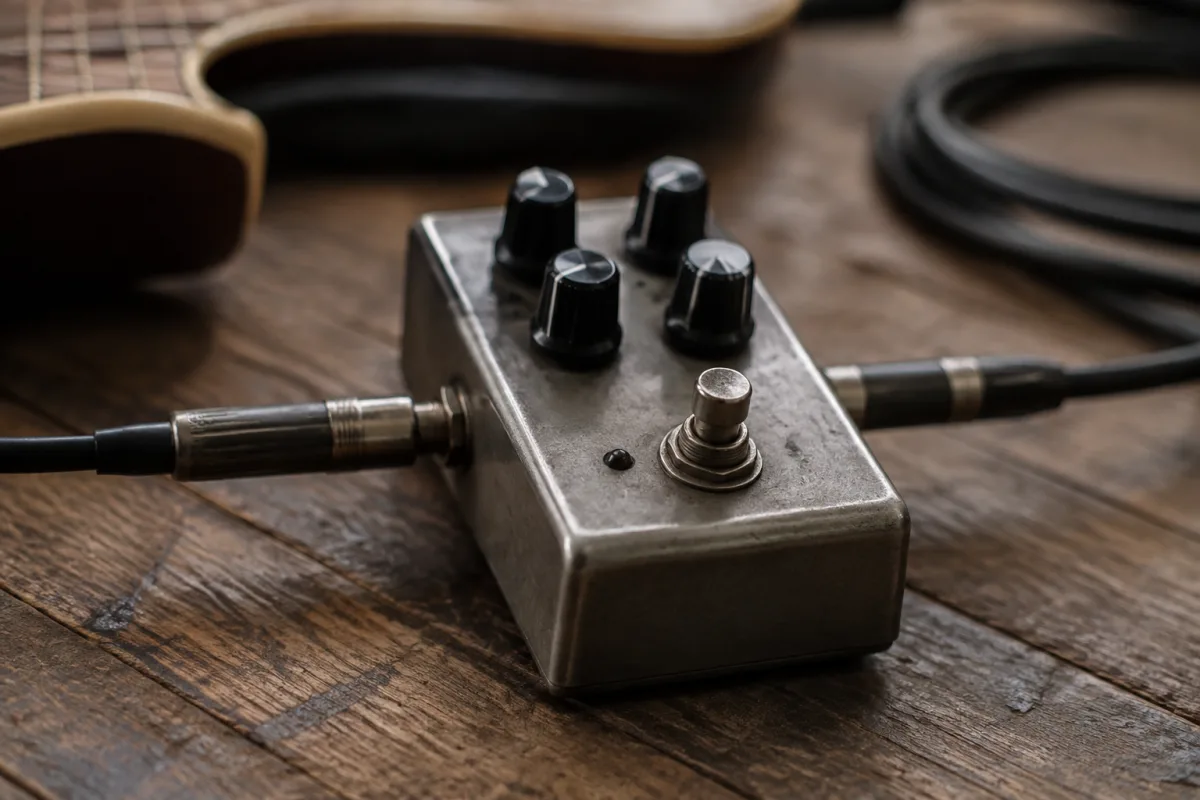
Marshall guitar effects pedals represent the legacy brand's expansion into the pedalboard market, and buying the right one requires understanding their philosophy, product range, and how they compare to competitors. Marshall's effects pedals carry the same reputation for quality as their legendary amplifiers, but they're targeted at players who want authentic tone-shaping tools rather than gimmicks. Here's everything you need to know to make a confident purchase decision.
What Defines Marshall Guitar Effects Pedals
Marshall guitar effects pedals aren't like typical mass-market pedals. When evaluating options, understand these defining characteristics:
- Amp-in-a-box philosophy: Marshall's design approach captures their amplifier characteristics into pedal form. This means their effects often sound like you've adjusted an amp setting rather than using a standalone effect.
- Build quality standards: Marshall pedals use robust construction, quality potentiometers, and reliable switching mechanisms. This isn't cheap plastic—it's purpose-built for touring musicians.
- Tonal clarity: Marshall effects prioritise tone preservation. Effects enhance rather than mask your core guitar sound, making them valuable for players who care about clarity.
- Brand heritage: You're buying into decades of amplification expertise distilled into pedal format. Marshall's understanding of tone fundamentally shapes their effects design.
- Limited effect count: Marshall doesn't compete on sheer effect quantity. Their catalogue focuses on essential effects done exceptionally well rather than overwhelming choice.
- Professional touring use: Marshall effects are road-tested by professionals. This isn't theoretical design—it's proven in live performance and recording studios.
Key Specifications When Comparing Marshall Pedals
When shopping for Marshall guitar effects pedals, these specifications separate excellent options from compromised ones:
- Footswitch responsiveness: Marshall pedals use mechanical switches that respond instantly. Check for any lag or delay—poor responsiveness ruins live performance reliability.
- True bypass vs. buffered bypass: True bypass maintains your tone when the pedal is off. Some Marshall models use buffered bypass for signal integrity. Understand which your target pedal uses and whether it matches your pedalboard philosophy.
- Tonal range depth: Not all Marshall pedals offer identical adjustment flexibility. Some have limited controls; others provide comprehensive tone-shaping. Match control complexity to your needs.
- Input/output impedance: Marshall specs their input/output impedance. Matching impedance to your pedalboard and amplifier prevents impedance mismatches that degrade tone.
- Powering requirements: Some Marshall pedals require specific voltages or currents. Verify your power supply can handle your target pedal before purchasing.
- Connectivity options: USB/MIDI compatibility matters for players using digital pedalboards or wanting to store/recall settings. Not all Marshall pedals include this.
Pitfalls to Avoid When Buying Marshall Effects Pedals
These common mistakes derail purchasing decisions:
- Assuming Marshall effects sound identical to their amp equivalents. While they capture amp character, pedals compress that into a smaller format. Expect 85–90% of amp tone, not 100%.
- Overlooking pedalboard compatibility. Marshall pedal sizes vary. Verify physical dimensions fit your pedalboard before committing to purchase.
- Ignoring the signal chain implications. Some Marshall pedals work best early in the chain; others late. Understanding your signal flow prevents purchasing wrong-position pedals.
- Forgetting about used market options. Marshall pedals hold resale value exceptionally well. Explore used options for 30–50% savings on older models. Verify build quality on used units.
- Underestimating control complexity. Some Marshall pedals have deeper menus than expected. Try the interface before purchasing if you prefer simple, intuitive controls.
- Not testing with your amp and guitars. Marshall pedals sound different through different equipment. Always demo through your specific amp before committing.
Marshall Effects Pedal Price Ranges and Value Tiers
| Price Range | Pedal Category | Best For |
|---|---|---|
| £50–£150 | Entry-Level Compact | Beginners, bedroom players, travel-friendly minimal pedalboards |
| £150–£300 | Mid-Range Standard | Serious hobbyists, gigging musicians, working professionals |
| £300–£600 | Premium/Multi-Effect | Professional touring musicians, recording engineers, tone perfectionists |
| £600+ | Flagship/Collectible | Professional-only use, collectors, musicians with specific sonic requirements |
Popular Marshall Pedal Categories and Buying Considerations
- Distortion/Overdrive pedals: Marshall's distortion pedals are legendary. Evaluate whether you want transparent breakup (overdrive) or aggressive saturation (distortion). Test both before purchasing.
- Modulation effects (chorus, flange, phaser): Marshall modulation pedals excel at subtle, musical enhancement. Verify the effect range suits your style—some players want extreme modulation; others prefer subtle.
- Delay/Reverb: Evaluate regeneration capability (does it feedback smoothly?) and decay time (does it meet your musical needs?). These matter dramatically in live performance.
- Combo effects: Marshall offers multi-effect units. Evaluate whether onboard effects suit your needs or if you'd rather build your pedalboard modularly.
Where to Buy and How to Inspect
Whether shopping online or in person, follow this inspection checklist:
- Test all controls—footswitches, knobs, and switches should respond instantly without deadness or sticking.
- Check the housing for cracks, dents, or finish damage. Marshall pedals take abuse; inspect cosmetic condition carefully.
- Test true bypass functionality if claimed—engage and disengage while playing to verify tone preservation.
- Plug into your pedalboard setup and verify noise floor. Quality Marshall pedals introduce minimal background noise.
- Ask about the warranty. Marshall backs their products; legitimate sellers offer clear warranty terms.
- Test the effect's range through its full control sweep. Ensure all parameter adjustments work smoothly and deliver expected tonal variety.
Budget Recommendations by Player Type
- Bedroom hobbyist: £80–£150 for a single classic Marshall pedal. One quality pedal inspires creativity more than multiple cheap effects.
- Local gigging musician: £200–£400 combined for 2–3 Marshall pedals covering your core sound-shaping needs.
- Professional touring player: £500–£1,500+ for comprehensive Marshall pedalboard including redundancy (backup pedals).
Comparing Marshall to Competitors
Before committing to a Marshall purchase, compare them side-by-side with:
- Boss/Roland effects: Generally cheaper, more feature-rich, but sometimes less character-focused. Good for players wanting maximum versatility.
- Electro-Harmonix pedals: Often more experimental and coloured in tone. Great for players seeking distinctive, vintage-inspired effects.
- Boutique pedal makers: Often more expensive but offer unique designs. Marshall is the practical middle ground.
- Vintage used pedals: Classic effects from the 1980s–90s often cost less than new Marshall equivalents and have proven durability.
Making Your Final Decision
Before committing, ask yourself:
- Does the pedal's tone genuinely inspire your playing?
- Will it work reliably in your live setup or studio environment?
- Does the price represent fair value compared to alternatives?
- Can your power supply reliably power this pedal?
- Do you have tried-and-tested performers as reference points?
For deeper exploration of Marshall effects characteristics, detailed model comparisons, and the full product range, see our complete guide to Marshall guitar effects pedals, which covers technical specifications, professional applications, and comprehensive model-by-model analysis.
Your Purchase Decision
Marshall guitar effects pedals represent proven quality backed by decades of tone expertise. Buy with confidence, knowing you're investing in tools trusted by professional musicians worldwide.


Comments