


Kick Pedals Buying guide
Kick Pedals: A Complete Buyer's Guide
Choosing the right kick pedals affects your drumming control and comfort. This guide covers specifications, price ranges, and what to inspect before purchasing.
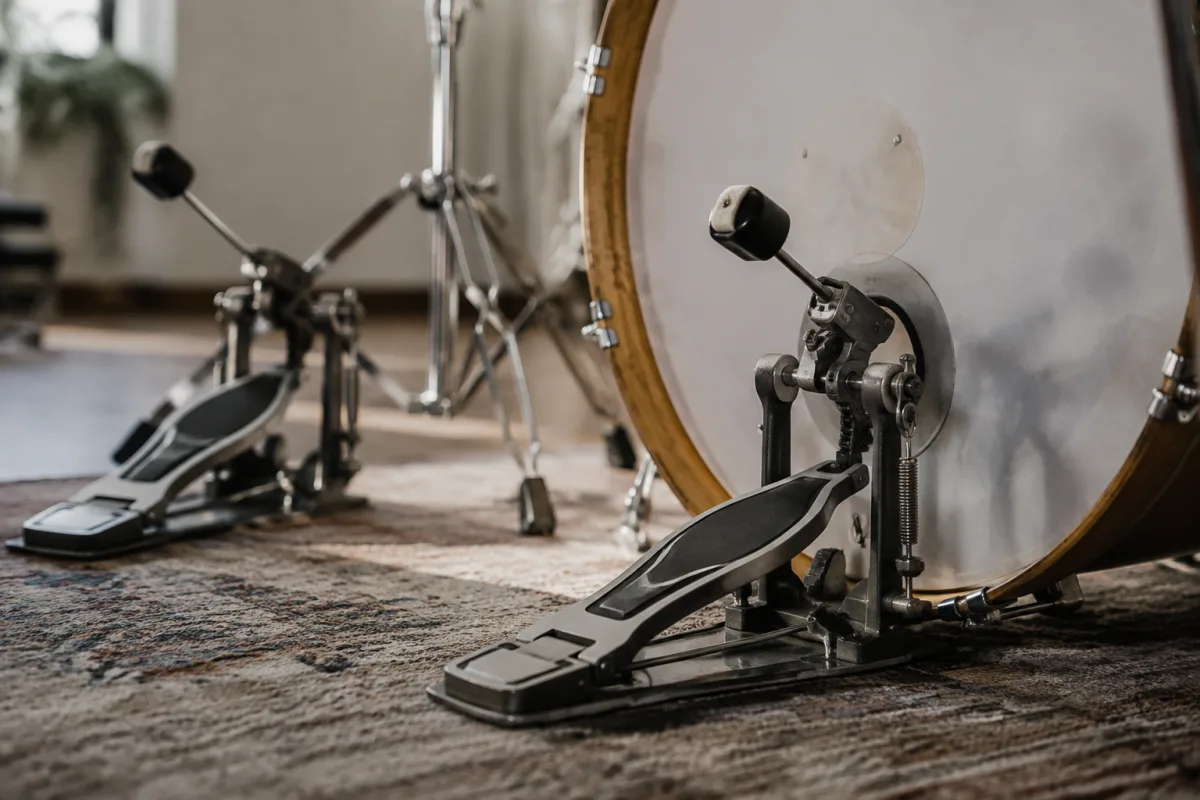
Selecting kick pedals is a critical decision that directly impacts your drumming control, speed, and comfort. Whether upgrading from basic pedals or investing in your first serious equipment, understanding the specifications that matter and recognising common pitfalls separates smart purchases from expensive mistakes. This guide focuses entirely on the buying decision—what specs matter, price ranges across quality levels, and what to inspect before committing.
Understanding Kick Pedal Types and Mechanics
Before purchasing, understand that kick pedals fall into two main categories: single-chain and dual-chain. Single-chain pedals use a single rod connecting foot plate to cam mechanism, providing a lighter feel and faster response. Dual-chain pedals use two parallel chains for more stability and control, particularly during power playing. Your foot strike against the pedal's board causes this mechanism to rotate, driving the beater into the bass drum.
Direct-drive pedals connect the foot plate directly to the beater with minimal intermediary components—these offer maximum speed but require strong technique. Belt-drive pedals use a belt instead of chain, providing smoother action but slightly increased inertia. Strap-drive pedals (rare) use straps for similar smoothness. Most drummers use chain-drive pedals as the standard, though belt-drive options appeal to those seeking quieter action or unusual response characteristics.
Price Tiers and What to Expect
Budget kick pedals cost 80-150 pounds and work adequately for beginners learning fundamentals. They're adequate for rock and pop, though they lack refinement. They're typically heavier and less responsive than premium options, but perfectly functional. Mid-range pedals from 150-350 pounds offer significant improvements in responsiveness, build quality, and adjustability. Premium pedals from 350-700 pounds represent the choice for touring professionals and serious enthusiasts—these feature lighter materials, superior bearings, and extensive customisation options. Specialty pedals exceeding 700 pounds address specific playing styles or preferences.
For most drummers, mid-range pedals represent the best value. The improvement from budget to mid-range is dramatic—you gain responsiveness and comfort that directly improves your playing. The jump from mid-range to premium is more subtle; improvements primarily appeal to experienced players who notice refinements in bearing quality and adjustment precision.
Critical Specifications When Evaluating Kick Pedals
Footplate material and size dramatically affect comfort. Larger, more cushioned plates distribute foot pressure better and reduce fatigue during extended play. Test whether your whole foot rests comfortably or just your toes—more surface area is generally better. Some players prefer small, tight plates; most benefit from generous footplate designs.
Beater material (usually felt or plastic) affects tone. Felt produces warmer, rounder tones. Plastic produces sharper, more defined attack. Consider your desired kick drum sound and choose accordingly. Many pedals include interchangeable beaters, letting you experiment. Spring tension should adjust smoothly—you want sufficient resistance to control the beater without excessive effort. Overly tight springs exhaust your leg; too loose and you lack control.
Height adjustment capability matters for comfort and reach. Verify that the pedal height adjusts to match your leg reach when sitting properly at the drum kit. Some pedals offer infinite adjustment; others have limited positions. Infinite adjustment provides more options for finding your perfect position.
Bearing Quality and Durability Assessment
Quality bearings (typically ball or sealed cartridge bearings) determine smoothness and longevity. Budget pedals often use friction-based systems or cheap bearings that wear quickly and develop play or resistance. Mid-range and premium pedals feature cartridge bearings that maintain smooth operation for years with minimal maintenance. When evaluating pedals, move the foot plate through its full range of motion—it should feel smooth without grinding or excessive resistance.
Housing construction affects durability. Cheap pedals use lightweight plastic housings that flex and feel insubstantial. Better pedals use aluminium alloy or steel, providing rigidity and longevity. Check that all screws and connections feel tight—loose hardware indicates poor assembly or previous damage.
Testing Pedals Before Purchase
Whenever possible, test pedals in person. Sit at a drum kit and play them for several minutes. Do they feel responsive? Does the beater follow your foot naturally or does it lag? Can you adjust the height comfortably? Do springs feel balanced and controllable? Can you play double strokes smoothly? These physical assessments reveal more than specifications alone.
Specifically test the range of motion and responsiveness through the pedal's full range. Some pedals feel great in the middle of their stroke but become unresponsive at the extremes. Verify that any adjustable components actually affect your playing comfortably. Some pedals offer excessive adjustability that proves impractical during actual play.
Common Buying Mistakes to Avoid
Many drummers overspend on premium pedals when mid-range options would serve them perfectly. Unless you're a touring professional, the refinements in expensive pedals won't noticeably improve your playing. Conversely, underspending on budget pedals often leads to frustration—they feel sluggish and require excessive foot effort.
Another frequent error involves ignoring adjustability. Different drummers require different spring tensions, beater materials, and footplate sizes. Pedals offering extensive adjustment options provide flexibility as your playing style develops. Some drummers also purchase mismatched pedal pairs—for consistency and feel, matching pairs are essential.
New Versus Second-Hand Pedals
Used pedals often represent excellent value. Bearings may have some wear but typically function perfectly. Check for cracks in plastic housings, bent metal components, or excessive play in moving parts. Test the pedal thoroughly and confirm all adjustments work smoothly. Price should significantly reflect any wear or damage—used pedals in excellent condition typically sell for 50-70% of new prices.
Second-hand pedals make sense if they're in good condition and priced significantly lower than new models. However, warranty coverage disappears with used purchases—if components fail shortly after, you'll bear the repair costs. Budget pedals barely justify repair expenses, so buying new budget options often makes more sense than used bargains requiring fixes.
Warranty and Return Policies
Quality manufacturers typically offer one to two-year warranties covering defects. Read warranty terms carefully—some exclude normal wear or require proof of proper maintenance. Retailers often allow returns within 30 days if unsatisfied, though this policy varies. Confirm return policies before purchasing, particularly for online orders where you can't physically inspect pedals first.
Making Your Final Decision
Choose pedals matching both your budget and playing style. Test multiple options if possible and prioritise responsiveness and comfort over brand reputation or aesthetic appeal. A pedal that feels right under your foot will serve you better than a famous name that doesn't suit your technique. For comprehensive information about different pedal types, manufacturers, and advanced specifications, explore our complete guide to kick pedals, which covers detailed specifications and professional considerations.


Comments