


Humbuckers Bass article
The Complete Guide to Humbuckers Bass
Humbuckers bass pickups offer the warm, forgiving tone that defines classic rock and modern bass playing. Explore how dual-coil bass pickup design shapes your instrument's voice.
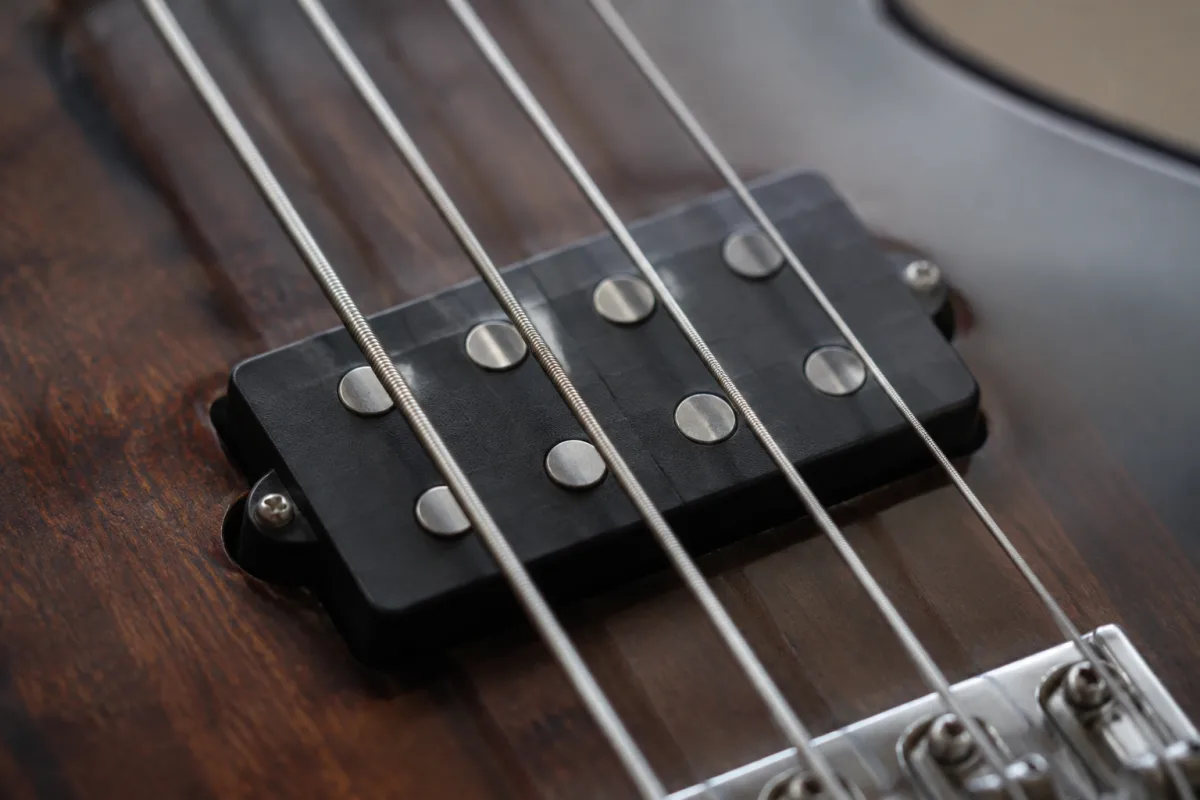
Bass players often overlook the importance of their pickups, but a quality humbucker bass pickup can transform your instrument's voice from muddy and indistinct to powerful and articulate. Humbuckers bass pickups are commonly associated with guitars, yet they've become increasingly popular on bass instruments, offering warmth, output, and the thick tone that many modern bass players chase. Whether you're tracking in the studio or gigging with a loud rock band, understanding humbuckers bass technology can unlock tones you didn't know your bass possessed.
What Makes a Humbucker Bass Pickup Different?
A humbucker bass pickup features two coils wound in opposite directions, arranged side by side under the strings. This dual-coil design serves a specific purpose: it cancels out the electrical hum that single-coil pickups pick up from fluorescent lights and other AC interference—hence the name "hum-bucker." But beyond noise reduction, humbuckers bass pickups deliver something single-coils can't: a thick, warm, and naturally compressed tone that sits beautifully in a dense mix.
The key difference between humbuckers bass and single-coil bass pickups lies in their fundamental character. A single-coil bass pickup is bright and reactive, picking up every nuance of your playing dynamics. Humbuckers bass pickups are inherently darker and more forgiving, smoothing out some of that detail but adding a fat, rounded quality that feels especially at home in rock, metal, and funk contexts.
Vintage vs Modern Humbuckers Bass Designs
Vintage-style humbuckers bass pickups—inspired by 1950s designs—prioritise warmth and a slightly softer response. These humbuckers bass models have lower output and a rolled-off top end, making them ideal for classic rock, soul, and anything where vintage tone matters. Many players favour vintage humbuckers bass pickups precisely because they're not aggressive; they sit back and let your playing speak.
Modern humbuckers bass pickups increase output and top-end presence. These aren't just louder; they're more articulate, with a pronounced midrange peak that makes your bass cut through in a band context. If you're playing metal, progressive rock, or contemporary styles where clarity and punch are essential, modern humbuckers bass pickups give you that edge. The best modern humbuckers bass designs bridge both worlds: the warmth of vintage circuits with contemporary output and definition.
Output Level: A Critical Consideration for Humbuckers Bass
Bass players need to understand output when choosing humbuckers bass pickups. High-output humbuckers bass pickups push your amplifier harder, compressing your signal naturally and adding harmonic richness. Low-output humbuckers bass pickups preserve dynamic detail and let your amp do more of the work, requiring more volume to achieve the same drive. Neither is objectively better; it's about matching humbuckers bass output to your amp and style.
The interaction between your bass, humbuckers bass pickups, cable, and amplifier forms a complete system. A bright, clean bass amp paired with high-output humbuckers bass pickups will sound warmer than the same humbuckers bass into a vintage tube amp with natural compression. Understanding this relationship helps you choose humbuckers bass pickups that genuinely complement your existing rig.
Humbuckers Bass in Professional Contexts
Studio recording sessions increasingly feature humbuckers bass pickups because they photograph beautifully on a mix. The compressed, warm character of humbuckers bass sits naturally alongside drums and vocals without requiring aggressive EQ. Session players often keep multiple basses handy, and many include at least one humbuckers bass option for tracks where vintage warmth serves the song better than modern clarity.
Live performance with humbuckers bass is equally powerful. A stage with dense instrument layering—full guitars, keyboards, and vocals—benefits from the natural filtering that humbuckers bass pickups provide. Rather than fighting for space, your bass with humbuckers bass settles into the pocket, providing foundation rather than distraction. Many touring bass players in rock and metal specifically choose basses with humbuckers bass for precisely this reason.
Comparing Humbuckers Bass With Single-Coil and Active Pickups
Single-coil bass pickups remain lighter and more articulate than humbuckers bass. If you prioritise dynamics and note definition, single-coils excel. However, they pick up hum easily and can sound thin in aggressive contexts. Humbuckers bass offer a middle path: quieter than single-coils, warmer than most active systems, and utterly dependable.
Active bass pickups—those with built-in preamps and EQ—offer a different paradigm entirely. Humbuckers bass are passive, requiring only the cable connection. This simplicity and lack of batteries appeals to many players. Active systems offer more tonal flexibility through EQ controls; humbuckers bass offer purity and vintage character. The choice depends on whether you want tonal exploration or tonal consistency.
Installing and Upgrading to Humbuckers Bass Pickups
Retrofitting humbuckers bass into an existing bass requires consideration. Some basses have single-coil routes that won't accommodate humbucker bass cavities without routing work. High-end luthiers can adapt the body, but this costs money and risks damaging an instrument. Better to know your bass's capabilities before committing. If your bass is humbuckers bass-routed, upgrading to quality aftermarket humbuckers bass pickups is straightforward—a worthwhile investment in tone for a fraction of the cost of a new instrument.
When upgrading, match humbuckers bass impedance and output to your bass's original design. A bass optimised for low-output humbuckers bass might sound darker than intended with high-output replacements. Consult manufacturer specs or a skilled bass tech before switching. The right humbuckers bass upgrade elevates your instrument; the wrong choice can muddy its character irrevocably.
Genre Considerations: Where Humbuckers Bass Shine
Rock and metal players have embraced humbuckers bass for decades. The genre's emphasis on thick, aggressive tone plays perfectly to humbuckers bass strengths. Funk and soul players often prefer the brightness of single-coil bass pickups, though many funk greats have found that humbuckers bass, when properly voiced, provide the low-end foundation that funky grooves need. Jazz traditionalists lean toward vintage humbuckers bass—warm, woody, and retro.
Contemporary music production—hip-hop, R&B, and electronic genres—often favours humbuckers bass precisely because the natural compression plays beautifully with modern production aesthetics. A bass with humbuckers bass sits more "produced" straight from the instrument, requiring less studio processing to achieve a polished sound. This is a genuine advantage for home recording and smaller studios lacking comprehensive outboard gear.
The Bottom Line: Why Humbuckers Bass Matter
Humbuckers bass represent a proven, classic approach to bass pickup design that remains relevant because of their tonal character and reliability. They're not trending—they're enduring. If you're a bass player seeking thick, warm, forgiving tone that sits naturally in a mix, humbuckers bass deserve serious consideration. Whether you're upgrading your current bass or shopping for a new instrument, understanding humbuckers bass will lead you toward instruments and tones that genuinely serve your playing style and musical goals.



Comments