


Humbuckers Bass Buying guide
Humbuckers Bass: A Complete Buyer's Guide
Humbucker bass pickups deliver thick, warm tone and noise rejection. This guide helps you understand types, brands, and how to choose the right pickups.
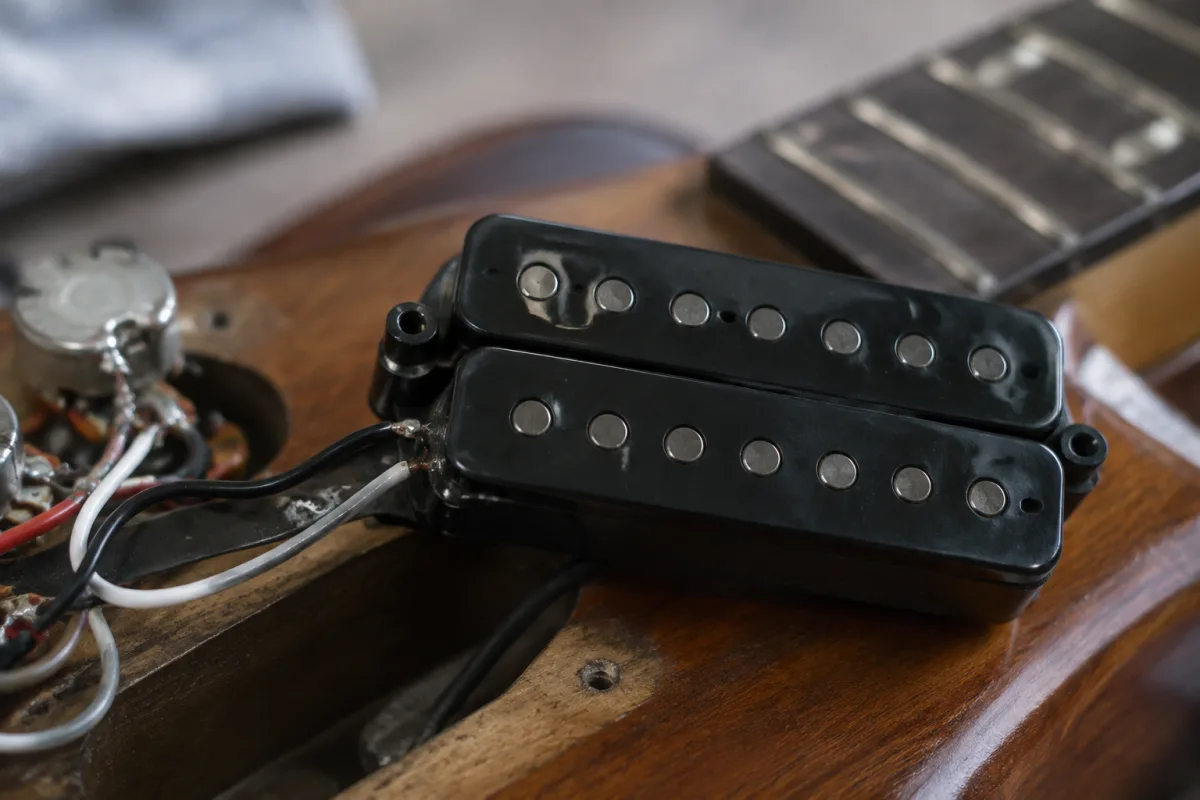
Humbuckers bass pickups deliver thick, powerful tone ideal for rock, metal, and modern styles. Understanding the differences between humbuckers bass and single-coil bass pickups helps you choose the right electronics for your sound. This buying guide explains what humbuckers bass pickups offer, what to look for when selecting them, and how to get the best value.
What Makes Humbuckers Bass Pickups Special
Humbucker bass pickups differ fundamentally from single-coil designs. Understanding these differences clarifies why musicians choose one over the other.
Noise rejection
Humbuckers have two coils wound in opposite directions. This design cancels electrical hum and interference — the "hum-bucking" function. Single-coils pick up more environmental noise. In live venues and studios with electrical equipment, this noise rejection is invaluable.
Thick, warm tone
Humbucker bass pickups produce warm, thick tone with strong low-end. They excel in rock, metal, and genres demanding power and presence. Single-coils sound brighter and more articulate; humbuckers sound rounded and full.
Higher output
Humbucker bass pickups have hotter output, driving amplifiers hard. This aggressive character suits overdriven tones. Musicians seeking subtle, fingerstyle definition prefer single-coils.
Types of Humbucker Bass Pickups
Several variations exist within the humbucker category:
Dual-coil humbuckers: The standard design with two full-size coils. Balanced output and classic humbucker tone.
Split-coil humbuckers: One coil disabled via a switch, functioning as a single-coil when needed. Versatile but compromises purity of either mode.
Stacked humbuckers: Two coils stacked vertically in compact space. Fits single-coil-sized cavities on bass guitars. Output and tone differ slightly from full-size humbuckers.
Alnico vs. ceramic magnets: Alnico magnets produce warmer, more vintage tone. Ceramic magnets deliver aggressive, modern voice. Premium humbuckers often use Alnico; budget versions use ceramic.
Popular Humbucker Bass Brands
Quality brands shape the reliability and tone of your bass. Notable options include:
- Seymour Duncan: Industry standard for tone and reliability. Premium pricing reflects quality.
- Bartolini: Warm, refined tone ideal for jazz and sophisticated genres.
- DiMarzio: Aggressive voice suited to rock and metal.
- EMG: Active electronics delivering modern, punchy tone.
- Fender Custom Shop: Vintage-inspired humbuckers for traditional instruments.
Buying Considerations for Humbucker Bass Pickups
Several factors determine whether humbuckers suit your needs and budget:
Output level
High-output humbuckers drive amplifiers aggressively, ideal for rock and metal. Low-output versions preserve dynamic subtlety. Match output to your amplifier and playing style.
Installation compatibility
Ensure your bass guitar cavity accommodates the humbucker size. Standard humbuckers fit Gibson-style cavities. Fender-style basses need stacked or compact humbuckers. Incorrect sizing requires routing the body — expensive and permanent.
Active vs. passive
Passive humbuckers work with any amplifier but need proper impedance matching. Active humbuckers include built-in preamps, requiring batteries. Active versions offer higher output and tonal control; passive versions offer simplicity and timeless tone.
Budget
Budget humbuckers (£30-80) sound decent but lack refinement. Mid-range options (£80-200) deliver excellent value. Premium humbuckers (£200+) justify cost through superior materials and tone.
Common Beginner Mistakes
Avoid these pitfalls when purchasing:
- Assuming all humbuckers sound identical: Brand, magnet type, and winding significantly affect tone. Audition multiple options before committing.
- Ignoring cavity compatibility: Wrong-sized pickups require expensive body routing or won't fit at all.
- Overlooking installation costs: Professional installation typically costs £50-150. Budget this into your total expense.
- Buying purely on brand prestige: Lesser-known brands often offer exceptional value. Don't overpay for famous names.
Installation and Setup
Proper installation ensures optimal tone. Incorrect height causes weak or muddy response. Professional installation guarantees correct positioning and wiring. If installing yourself, research your specific bass model thoroughly.
Conclusion
Humbucker bass pickups suit musicians seeking thick, warm tone and noise-free operation. Their aggressive character excels in rock, metal, and modern styles. When choosing humbuckers, verify cavity compatibility, match output level to your amplifier, and select a reputable brand aligned with your tonal preferences. Whether upgrading from factory pickups or building a custom instrument, quality humbuckers elevate your bass tone significantly. Start with mid-range options from established brands, and upgrade to premium humbuckers as your skills and budget allow.



Comments