


Cool Guitar Effects Buying guide
Cool Guitar Effects: A Complete Buyer's Guide
Buying cool guitar effects requires understanding what separates genuine sonic creativity from novelty sounds that wear thin quickly. This buying guide helps you navigate tone-shaping choices without accumulating pedals you'll abandon.
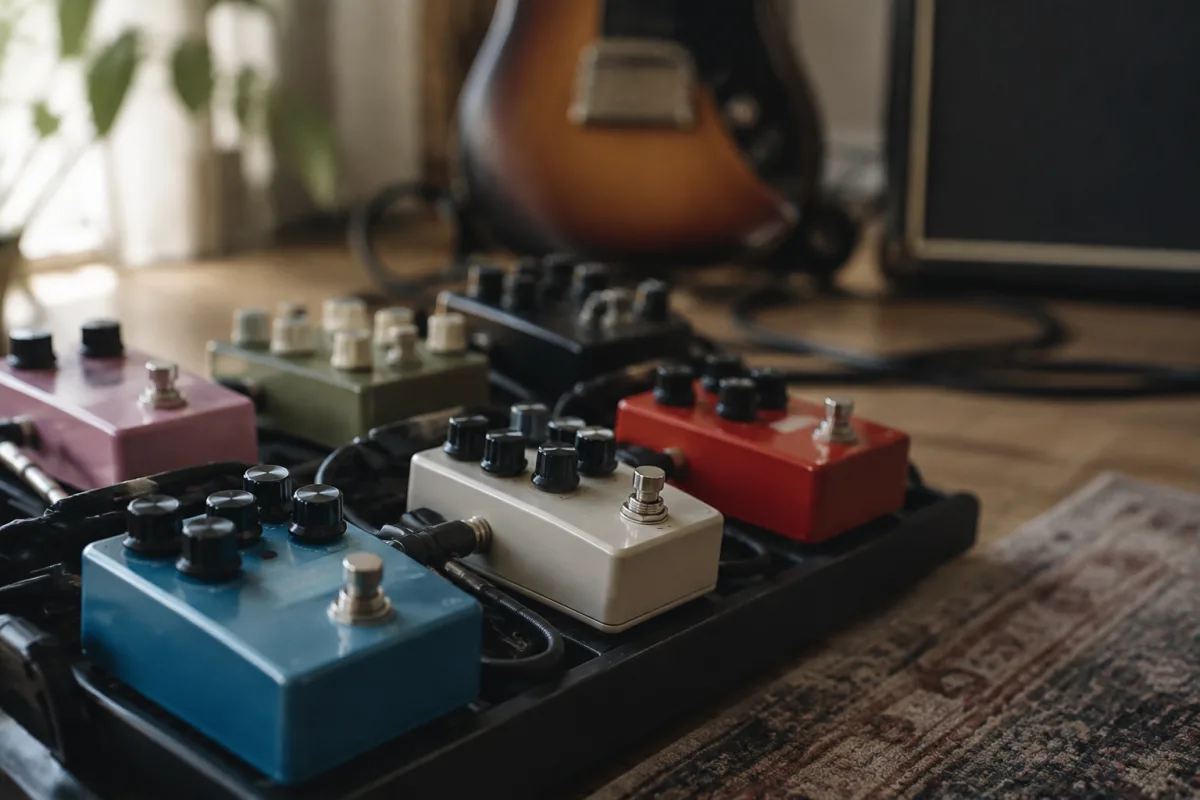
Buying cool guitar effects requires understanding what separates genuine sonic creativity from novelty sounds that wear thin quickly. The effects pedal market is crowded with fascinating options, from vintage echoes and lush reverbs to heavily modulated textures that transform your guitar completely. This buying guide helps you navigate tone-shaping choices without accumulating pedals you'll abandon. Smart purchasing focuses on effects that integrate naturally into your playing style and inspire creativity rather than gimmicky sounds.
Understanding Effect Categories: What Each Does
Cool guitar effects divide into several categories, each addressing different sonic needs. Modulation effects (chorus, flanger, phaser) add movement and width to your tone without distortion—essential for shimmer and subtle enhancement. Delay effects repeat your notes at adjustable intervals, creating spatial depth and rhythmic texture. Reverb simulates room ambience, from tight studio spaces to cathedral vastness.
Distortion and overdrive effect your tone's aggression. Distortion is extreme destruction of your signal; overdrive is subtle harmonic enhancement. Compression squashes dynamic range, helping consistent notes cut through mixes. Pitch shifters and modulation effects can radically transform your sound—octave doublers, harmonizers, and pitch shifters add harmonic layers.
Understanding categories helps you identify what effects genuinely complement your music versus what sounds cool in the shop but doesn't fit your style. A country player and a shoegaze enthusiast have completely different effect needs despite playing the same instrument.
Analog Versus Digital: Sound Quality and Longevity
Analog pedals generate effects through circuitry that physically processes your signal. They're typically more "character-full," adding subtle colouration even when subtle. Digital pedals use processors to model effects, offering precision and flexibility. Both camps deliver professional results; the choice depends on your priorities.
Analog advantages: warmer tone, often simpler operation, inherent analogue colour. Analog disadvantages: typically more expensive, less flexible (you get one effect), heavier. Digital advantages: multiple effects, smaller footprint, often cheaper. Digital disadvantages: sometimes clinical sound (though modern modelling is excellent), requires power management, steeper learning curves.
For cool effects specifically, digital multi-effects units often provide better value. You get dozens of effects for £150–£300, allowing experimentation before committing to expensive analog pedals. The sonic difference matters less for "cool" effects than for foundational tone shaping.
Price Tiers and What to Expect
Budget pedals (£30–£80) deliver functional effects suitable for beginners or bedroom players. Quality control varies significantly; some budget pedals are genuinely excellent, others disappoint. Boss, Zoom, and Behringer represent reliable budget entries with professional-grade construction despite low prices.
Mid-range pedals (£80–£200) are where most professionals play. Electro-Harmonix, Boss, and Strymon represent different approaches—Electro-Harmonix leans classic and warm, Boss emphasises reliability and features, Strymon focuses on premium sound and aesthetics. This tier offers genuinely inspiring effects that justify their cost through daily use.
Premium pedals (£200–£400+) are specialised creations. Earthquaker Devices makes uniquely weird and wonderful effects; Eventide specialises in spacious, lush textures; rare vintage pedals command collector prices. These purchases assume you know exactly what sound you're seeking and will use it frequently.
Single Pedal Versus Multi-Effects Units
Single pedals do one thing excellently. A great reverb pedal delivers reverb you'll use daily; specialised delay pedals offer tweak-ability and character that justifies dedicated hardware. However, building a pedalboard from singles means purchasing multiple pedals, accumulating cost and board real estate rapidly.
Multi-effects units (like Boss GT-1, Zoom G1X Four, or Fractal Audio) provide dozens of effects in one package. You save money, board space, and achieve cohesive sonic character. The tradeoff: less specialisation and sometimes steeper learning curves. For discovering what cool effects you actually use regularly, multi-effects units are smarter purchases initially.
Smart strategy: start with a multi-effects unit, identify which effects inspire your playing, then invest in premium single pedals for those specific effects. This prevents expensive single pedals gathering dust.
Sound Quality Inspection Before Buying
Always audition effects through your actual amp before purchasing. A reverb that sounds amazing through a shop's display amp may sound thin through your 15-watt valve combo. Ask retailers for demo time. Reputable sellers expect this and accommodate it.
Listen for: subtlety at minimum settings (does the effect enhance rather than smother your tone?), character and personality (does it sound expensive and refined?), responsiveness to your playing dynamics (does your picking attack translate through the effect?). Cheap effects often sound artificial and disconnected from your playing. Professional effects feel responsive and integrated.
Check whether the effect works well solo and in context of a full band mix. A lush ambient effect might sound magical isolated but get buried in a band setting. Think practically about how you'll actually use the effect.
Common Pitfalls: Novelty Effects and Buyer's Remorse
The biggest mistake is buying novelty effects that don't fit your playing. A bitcrusher or ring modulator sounds fascinating in the shop but becomes unusable after three days if they don't serve your music. Honesty about your playing style prevents expensive regret.
Avoid stacking too many effects. More isn't better; a well-chosen three-effect setup often sounds better than a board with twelve mediocre pedals creating mud. Clarity and intentionality in effect selection trumps quantity.
Don't ignore build quality. Cheap plastic pedals with wobbly switches fail regularly. Professional effects use metal housings, quality switches, and solid construction. Durability matters when gigging; a failed pedal mid-set is costly and embarrassing.
Resist buying "just in case." A cool effect you might use someday still costs money and pedalboard space. Purchase effects you'll actually use regularly. Better to discover later that you need an effect than purchase it and leave it unused.
Specific Cool Effects to Consider
Reverb is foundational—every guitarist benefits from spatial effects. Plate reverbs sound lush and expensive; spring reverbs imitate classic amps; hall reverbs provide vast ambience. A quality reverb pedal (£100–£200) provides years of satisfaction.
Delay allows rhythmic and textural creativity. Digital delays offer clean repetition; analog delays impart warmth and natural degradation. Tape echo pedals emulate vintage tape machines, providing character and subtle distortion.
Modulation effects (chorus, flanger, phaser, tremolo) add movement without losing your core tone. These effects work subtly in mixing situations but shine brilliantly when pushed deliberately.
Overdrive and distortion shape your core tone. Quality overdrive pedals handle both subtle enhancement and dramatic destruction depending on settings. Distortion pedals provide aggressive tones for rock and heavy music.
Octave shifters and pitch effects offer radical sound transformation. Boss Octave Pedal and Earthquaker Devices Tentacle generate iconic sounds. These effects are typically specialised but incredibly inspiring when they fit your music.
Connecting Effects: Signal Chain Basics
Effects order dramatically affects your tone. Classic signal chain (left to right): dynamics (compressor) → tone shapers (overdrive, distortion) → modulation (chorus, flanger) → delay → reverb. This order places dynamic processing first, lets overdrives hit all modulation, and reserves reverb for the end so it doesn't get muddied by subsequent effects.
Exceptions exist—some players deliberately break rules to create unique sounds. But understanding traditional signal flow prevents problematic effects interactions. A reverb positioned before delay sounds buried; delay after reverb creates spatial separation and clarity.
Durability and Warranty Considerations
Pedals spend their lives being stepped on. Check for metal housings, quality switches, and solid construction. Cheap plastic pedals eventually fail. Premium pedals often include multi-year warranties reflecting manufacturer confidence. Boss and Electro-Harmonix provide excellent warranty support.
Used pedals represent potential value but inspect carefully. Dead switches, crackling pots, and internal corrosion are expensive repairs. If buying used, purchase from reputable retailers with return policies. Private sales offer savings but limited recourse if problems emerge.
Starting Your Cool Effects Collection
Begin with one or two effects that genuinely inspire your playing. A quality reverb and delay are safe starting points. Use them extensively, understand their character deeply, then expand. Slow, intentional growth creates cohesive collections and prevents regrettable impulse purchases.
For broader exploration of cool guitar effects and their applications, review our complete guide to cool guitar effects.
Making Your Cool Effects Purchase
Cool guitar effects inspire creativity and sonic exploration. Thoughtful purchasing prevents accumulating expensive pedals that become clutter. Focus on effects that genuinely complement your playing style and music. Test before buying. Invest in quality over quantity. Build your collection intentionally, effect by effect. With patience and clear sonic vision, your effects collection becomes a professional-grade creative toolbox that justifies every pound spent.


Comments