


Cool Bass Pedals article
Cool Bass Pedals for Beginners: A Complete Guide
Cool bass pedals unlock creative possibilities. This beginner's guide explains different effect types, how to get started, and how to avoid the most common pitfalls.
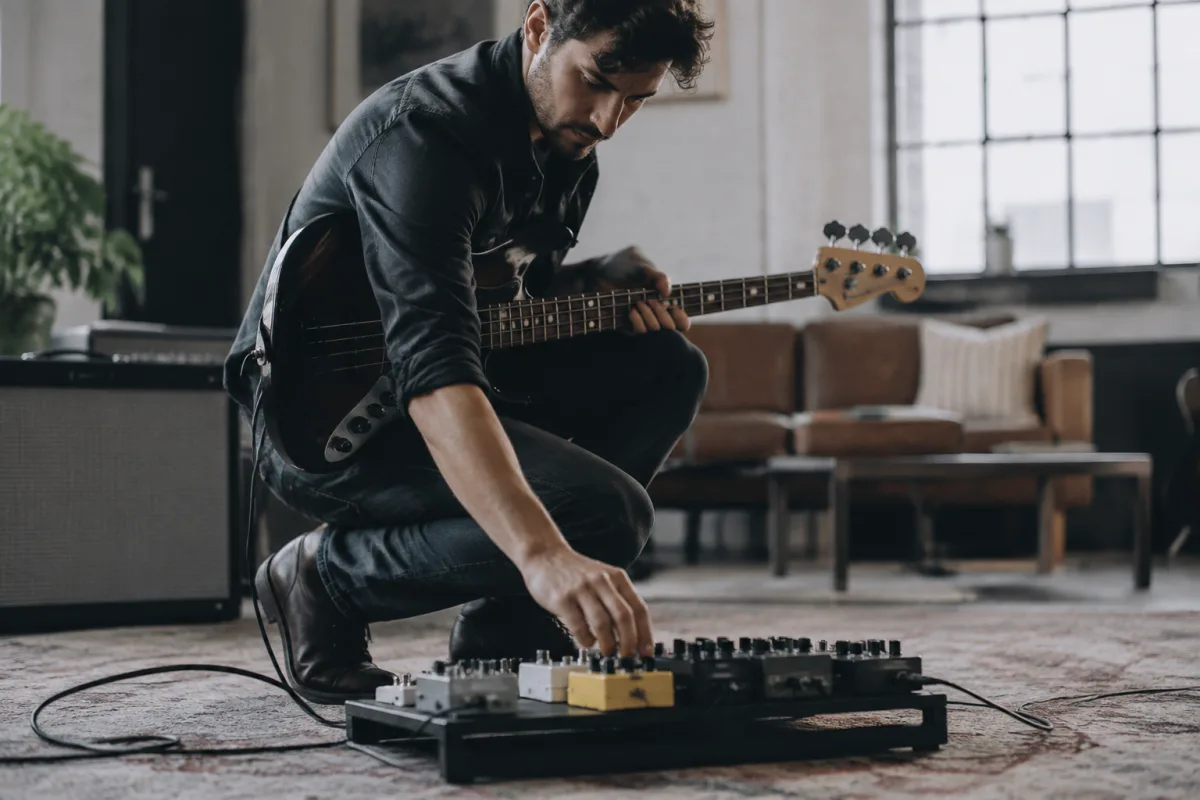
Cool bass pedals are among the most exciting aspects of bass guitar playing. If you're a beginner considering your first effects pedals and feel inspired by the possibilities, this guide will help you understand what makes bass pedals cool, which ones suit newcomers, how to approach them without getting overwhelmed, and how to avoid the most common beginner mistakes. Cool bass pedals shouldn't intimidate you—they're tools designed to expand your creative expression. With the right approach, even your first pedal can inspire new directions in your playing.
What Makes Cool Bass Pedals Cool?
Cool bass pedals are effects that transform your tone in audible, musically interesting ways. Unlike subtle enhancement effects, cool bass pedals often create dramatic, noticeable changes to your sound. They might add grit and aggression, create rhythmic patterns, generate synthetic tones, or produce sounds impossible on an unprocessed bass. Cool bass pedals are where creativity happens—they let you express musical ideas that pure technique alone cannot achieve. For beginners, cool bass pedals represent possibilities: new textures to explore, new genres to approach, and new ways to think about your instrument.
Types of Cool Bass Pedals for Beginners
Not all effects are equally "cool" or beginner-friendly. Here's what works well for newcomers:
Distortion and Overdrive Pedals
These add grit and sustain to your bass. Distortion creates aggressive, driving tones; overdrive adds warmth and a pushed, compressed feel. Beginners love these because the results are immediate and obvious. Turn a distortion pedal on and your bass suddenly sounds heavy and edgy. Excellent first cool bass pedals because they're intuitive—more intensity equals more attitude.
Fuzz Pedals
Fuzz is extreme distortion with a woolly, saturated character. Cool bass pedals in this category create the iconic "fat" bass sound of funk and classic rock. Fuzz is forgiving for beginners—it's hard to use it "wrong" because the effect is always unmistakable and often sounds great regardless of settings.
Octave Pedals
Octave pedals create a note one octave below your original note, either blended with your signal or replacing it entirely. This creates a synthetic, thickened bass tone that sounds effortlessly powerful. Cool bass pedals in this category are mind-bending to beginners—the ability to make your bass sound impossibly deep feels like magic.
Synth Pedals
Synth pedals attempt to turn your bass into a synthesiser, generating square-wave or sawtooth-wave tones. Extremely cool for experimental players and electronic music. Beginners find synth pedals challenging because they require careful technique to track your note accurately, but the rewards are extraordinary.
Envelope Filter Pedals
These analyse your playing dynamics and sweep a filter based on your attack and release. The result is a "wah"-like effect that responds to your playing touch. Cool bass pedals of this type feel organic and rewarding once you understand how your technique affects the sound.
Reverb and Delay Pedals
These create space and dimension. A cool reverb pedal can make your bass sound like it's playing in a cathedral or small room. Delay adds rhythmic repetition. For beginners, these are often cool without being intimidating—subtle adjustments create huge sonic differences.
Getting Started with Cool Bass Pedals: First Steps
Here's how to approach cool bass pedals confidently as a beginner:
- Listen to inspiration: Before buying, seek out bass players whose tone excites you. Watch YouTube videos, listen to albums, identify what pedal effects you hear. This clarifies what "cool" means to you personally.
- Start with one pedal: The biggest beginner mistake is buying multiple pedals simultaneously. Choose one that excites you most, master it, then add more later.
- Understand your cool bass pedal's basic controls: Every pedal has a power switch and an output control. Learn what the main tone-shaping knobs do—usually "tone," "amount," or "intensity." Ignore advanced features initially.
- Play familiar bass lines: Use songs you know well to audition your cool bass pedal. This lets you focus on the effect rather than concentrating on playing technique.
- Start with moderate settings: Don't immediately max out every knob. Begin at halfway settings and adjust gradually. This teaches you how each control affects your tone.
- Use your cool bass pedal in context: Play with backing tracks or band recordings. Effects sound completely different in isolation versus in a full mix.
- Experiment gradually: Spend weeks with one setting, then slowly adjust. This builds intuition about what different settings do instead of random experimentation.
Common Beginner Mistakes with Cool Bass Pedals
Avoid these pitfalls:
- Buying multiple cool bass pedals immediately: Each pedal demands learning time. Multiple pedals simultaneously overwhelm you. One pedal mastered beats five pedals barely understood.
- Using maximum settings: Maximum distortion, maximum reverb, maximum anything often sounds terrible. Moderation and subtlety usually win. Start conservative and increase gradually.
- Neglecting your amp's contribution: Your amp significantly influences how cool bass pedals sound. A bright, treble-heavy amp will exaggerate distortion harshness. A warm, dark amp tames aggression. Experiment with amp settings alongside pedal adjustment.
- Ignoring the mix control or blend: Most cool bass pedals include a mix or blend control balancing your original signal with the effect. Beginners often set this too high, losing bass tone definition. Start at 30–50% effect and increase gradually.
- Playing statically: Cool bass pedals sound best when integrated into musical context. Using a cool bass pedal only for quiet practice riffs might miss what makes it actually cool. Take your pedal to band rehearsal or play with backing tracks.
- Expecting instant mastery: Your first cool bass pedal will seem confusing initially. Stick with it for at least a month before deciding it's not for you. Intuition develops gradually.
- Chaining too many cool bass pedals: Even experienced players struggle to keep multiple pedals sounding cohesive. As a beginner, master one cool bass pedal first. Multiple pedals create mixing and level-balancing headaches that distract from learning.
Building Your Cool Bass Pedal Collection Over Time
Once your first cool bass pedal feels like second nature (after 2–3 months), you can confidently add a second. Suggested progression for beginners:
- First pedal: Distortion or fuzz (immediate gratification and forgiving)
- Second pedal: Reverb or delay (adds space and sophistication)
- Third pedal: Octave or synth (creative sound-design exploration)
This progression builds confidence while maintaining musical focus. Each new cool bass pedal teaches you something different about effect integration.
Evaluating Cool Bass Pedals: Budget vs. Premium
Budget cool bass pedals (£30–£80) often work surprisingly well. The effect algorithms might not match premium models, but they deliver audible, playable results. Premium cool bass pedals (£150–£400+) offer superior algorithms, build quality, and sound clarity. For beginners, a budget distortion or octave pedal is a perfectly legitimate starting point. Once you commit to effects, upgrading to premium models makes sense. Don't invest £300+ in a cool bass pedal until you're certain that category of effect suits your playing style.
Your Cool Bass Pedals Journey
Cool bass pedals unlock creative possibilities that inspire practice and growth. The key to success as a beginner is restraint—choose one pedal, commit to learning it deeply, and only add more when you're confident and curious. Avoid chasing every cool effect you see. The coolest bass players aren't those with the most pedals; they're those who've mastered a small collection and integrated them musically. Start simply, progress thoughtfully, and let your interest guide your growth.
For a comprehensive exploration of bass effects, advanced techniques, and how to build a cohesive pedalboard, see our complete guide to cool bass pedals.
Your First Cool Bass Pedal Awaits
The bass pedal that captures your imagination right now is likely the perfect choice. Trust your instincts. Buy one, plug it in, and start exploring. Within weeks, you'll be creating tones you never thought your bass could produce. That's the magic of cool bass pedals—they transform not just your sound, but your entire relationship with your instrument.


Comments