


Chorus Bass Pedal Buying guide
Chorus Bass Pedal: A Complete Buyer's Guide
Chorus pedals transform bass tone by adding width and modulation. This guide walks you through the specs that matter, explains different designs, and helps you choose the right pedal without overspending.
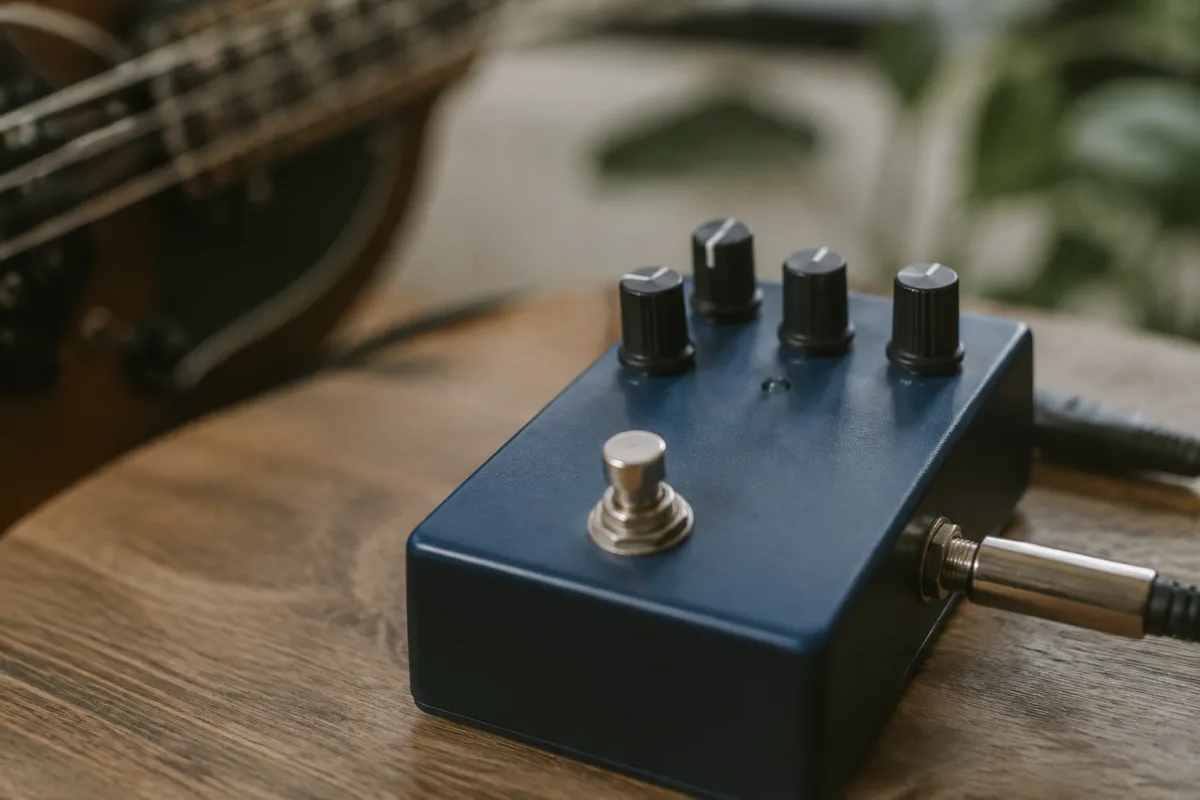
A chorus bass pedal transforms how your bass sounds—adding width, depth, and a lush, modulated character that makes even simple lines shimmer. But stepping into the chorus pedal market reveals immediate complexity: budget options, premium boutique pedals, vintage sought-after models, and endless feature variations. Knowing what specs actually matter when you're buying—and which features are marketing fluff—saves money and ensures you buy a pedal you'll actually use regularly.
What a Chorus Bass Pedal Does (And Why You'd Want One)
Chorus effect works by duplicating your signal, slightly pitching it up and down, and blending it with the original sound. The result is a thickened, wider tone with subtle movement. On bass, chorus is particularly effective—it adds dimension without muddiness, suits jazz, funk, and indie playing, and transforms your tone from straight to sophisticated with a single footstep.
Unlike distortion or overdrive pedals that drastically change your fundamental tone, chorus is subtle. Many bass players use chorus as their first effects pedal because it's less intimidating than more aggressive effects whilst still being genuinely useful.
Core Specifications That Matter When Choosing
Several technical specs determine whether a chorus pedal will serve your needs. Understanding these prevents buying something optimised for a playing style that isn't yours.
Wet/Dry Mix Control: This knob controls the balance between original bass (dry) and chorused bass (wet). A key feature for beginners—too much chorus sounds weird; too little is pointless. Pedals with adjustable mix offer flexibility. Pedals with fixed wet/dry ratios limit your options. Choose adjustable mix whenever possible.
Rate and Depth Controls: Rate controls how quickly the chorus modulates (slow = smooth and subtle; fast = obvious and sci-fi sounding). Depth controls how dramatic the effect is. Pedals with independent rate and depth controls offer wider sound possibilities. Simpler pedals with fixed settings are easier to use but less expressive.
Manual vs Expression Pedal Control: Premium pedals include an expression pedal jack, letting you control chorus effect parameters with your foot during performance. This is genuinely useful for live players. For bedroom practice and recording, it's cosmetic.
Footswitch Type: Some pedals include a single footswitch (on/off only). Better pedals include a footswitch plus expression pedal. Integrated footswitches mean fewer cables; separate expression pedals mean more compact pedal setup if you're not using them.
Chorus Pedal Topologies: What They Mean for Tone
Different designs of chorus pedals create subtly different tones. Understanding these helps you match your preference.
Analog Chorus: Classic design using analog electronics for a warm, natural sound. Typically the warmest sounding option and preferred by vintage-tone players. Generally more expensive due to component costs. Analog chorus sounds organic and doesn't feel digital—if you value smooth, natural modulation, analog is worth the premium.
Digital Chorus: Modern design using digital processing. Often more precise and allows complex effects combinations. Can sound slightly clinical compared to analog, though quality digital chorus is barely distinguishable. Digital pedals are typically cheaper and offer more parameter control.
Analog Modeling (Digital Emulation): Digital pedals designed to emulate classic analog chorus circuits. This is where most contemporary builder focus sits—the processing power of digital with the character of analog. Often offers the best compromise between warmth and control.
The Chorus Pedal Lineup at Different Price Points
| Price Range | Examples | Characteristics | Best For |
|---|---|---|---|
| £40–80 | Boss CE-2W, Danelectro CO-1 | Simple one-knob or limited controls, digital processing, reliable | Beginners, casual players, tight budgets |
| £80–150 | MXR Bass M83, TC Electronic Corona | Adjustable rate and depth, better DSP, flexible mix control | Intermediate players, working musicians, good value |
| £150–300 | Boss CE-1, Analog Man modified Chorus | Vintage models or quality modern builds, expression pedal options, warm tone | Serious bass players, tone-focused musicians, professional gigs |
| £300+ | Earthquaker Devices, boutique analog | Handcrafted, premium components, exceptional tone, customisation options | Professionals, studio work, players willing to invest in tone |
Common Buying Mistakes to Avoid
Bass players make predictable mistakes when shopping for chorus pedals. Avoiding these saves frustration and money.
Don't buy expensive pedals assuming price guarantees quality. A £200 boutique chorus isn't always better than a £100 Boss pedal. Fit matters more than price. Buy what suits your tone preference and budget.
Avoid one-knob pedals unless you specifically want simplicity. Limited controls mean you're stuck with preset chorus character. Mid-range pedals offering adjustable rate and depth provide significantly more flexibility for modest additional cost.
Don't buy without trying if possible. Chorus tone is subjective. What sounds lush to one player sounds thin to another. If you can borrow or try a few models before committing, do so. Alternatively, read reviews focusing on tone descriptors—"warm," "transparent," "obvious"—and match those to your preference.
Resist buying chorus pedals marketed as "for bass" when a guitar-oriented pedal might work better. Many bass players use guitar chorus pedals successfully. The distinction is sometimes more marketing than reality. Look at specs, not just the "bass" label.
Matching Your Pedal Choice to Your Playing
Your playing style and context determine which chorus pedal makes sense. A bedroom jazz bassist focusing on warm, subtle tone benefits from analog chorus at mid-range price. A funk player needing obvious, distinctive tone works well with a quality digital option offering dramatic depth control. A working musician playing multiple genres wants reliable, flexible mid-range pedal that handles both subtle and obvious sounds.
Start by identifying your priority: Do you want warm, organic tone? Choose analog. Do you want flexibility and easy parameter control? Choose digital. Do you want a specific classic sound? Research which vintage pedal created that sound, then find modern versions or the original if budget allows.
Integration With Your Signal Chain
Where you place the chorus pedal in your signal chain matters. Most bass players place chorus after distortion or overdrive (so the effect modulates the processed tone) but before delay (so delay repeats the full chorus effect). However, bass-specific needs vary. Consider whether you'll use chorus alongside other effects and whether the pedal's footswitches integrate cleanly with your setup.
Your Buying Decision
If you're buying your first chorus pedal, start in the £80–150 range with a mid-range option like MXR Bass M83 or TC Electronic. These offer adjustable rate and depth, good tone, and reliability. Once you've used chorus regularly for 6–12 months, you'll understand your preferences well enough to invest in something more specific—whether that's boutique analog, vintage sought-after models, or a different topology entirely.
For deeper exploration of chorus effect technique, stacking with other effects, and how to get the best tone from chorus in different musical contexts, see our complete guide to chorus bass pedals, which covers advanced applications and long-term gear selection strategies.
The Strategic First Purchase
Most bass players who buy chorus eventually become chorus enthusiasts. It's a gateway effect—once you experience what it does to your tone, you use it on multiple songs. Your first chorus pedal doesn't need to be perfect. It needs to be functional, affordable enough that you're not devastated if you decide chorus isn't for you, and simple enough that you focus on the effect itself rather than wrestling with too many controls. Mid-range digital or analog modelling pedals at £100–150 hit this sweet spot perfectly. Buy that, use it for a year, then make informed decisions about upgrading or exploring variations.


Comments