


Bass Types Guitar article
Bass Types Guitar for Beginners: A Complete Guide
Understanding bass types guitar options doesn't require mastering technical specifications—it requires knowing what suits your hands and musical direction. Start here.
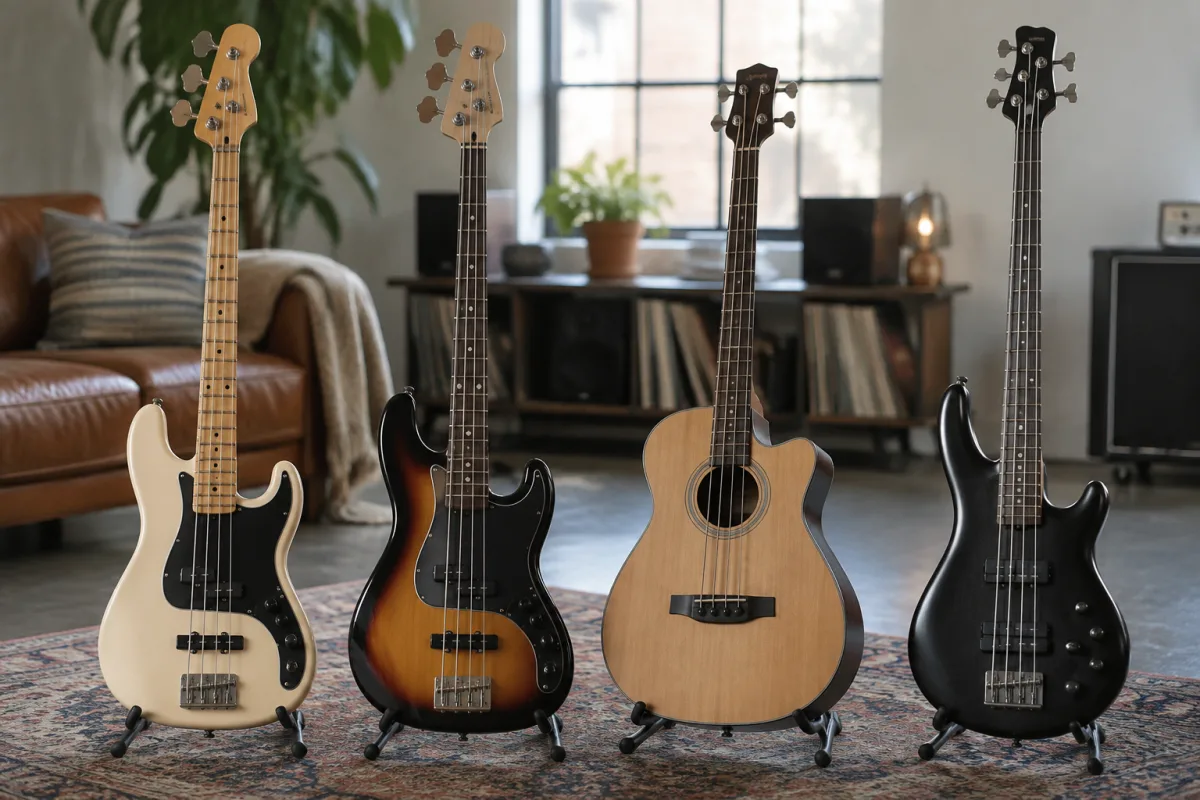
Picking up your first bass types guitar feels like an enormous decision when you're staring at countless options. The good news: you're probably overthinking it. Understanding bass types guitar options doesn't require mastering technical specifications—it requires knowing what suits your hands, your ears, and your musical direction. This guide cuts through the confusion and helps you identify which bass types guitar makes sense for you to start learning.
The Encouraging Truth About Bass Types Guitar for Beginners
Before diving into bass types guitar specifics, understand this: most beginner bass guitarists can become competent on virtually any bass types guitar model. The differences between bass types guitar options matter far less than your commitment to practising consistently. You won't "pick wrong" in a way that prevents learning—you might simply find yourself more comfortable or inspired by one bass types guitar style versus another.
This distinction matters enormously for your enthusiasm. A bass types guitar that feels right in your hands encourages daily practice. A bass types guitar that feels awkward discourages it. Your first priority isn't finding the "best" bass types guitar—it's finding the bass types guitar that makes you excited to pick it up every day.
Electric Bass: Your Most Forgiving Starting Point
Electric bass represents the easiest entry point for most beginners learning bass types guitar. Here's why: the strings are thinner and require less finger strength than acoustic alternatives. The neck is narrower, making finger spacing feel natural for most people. Electric bass types guitar need only a modest amplifier, and practice volumes can remain quiet enough for apartment living. Most importantly, electric bass sits at the heart of contemporary music—whatever genre you want to play, electric bass types guitar will serve you well.
If you're uncertain which bass types guitar direction suits you, default to electric. Approximately 80% of beginning bass guitarists find electric bass types guitar their ideal starting instrument.
Acoustic Bass: When You Want Volume and Projection
Acoustic bass types guitar appeal to learners who want their instrument to project sound naturally without amplification. This bass types guitar option shines for folk music, unplugged recording, and musical contexts where plugging into a system feels unnecessary. The tradeoff: acoustic bass types guitar require significantly more finger strength than electric alternatives, and the wider string spacing demands careful finger placement.
Acoustic bass types guitar makes sense for beginners who already have acoustic guitar experience or who specifically want the acoustic aesthetic and warmth. For complete newcomers, acoustic bass types guitar often proves unnecessarily frustrating compared to electric alternatives. Your fingers will thank you for starting electric if you're truly new to stringed instruments.
Four-String Versus Five-String Bass Types Guitar
This choice matters more than you might think. The standard bass types guitar configuration uses four strings. This simplicity makes learning fundamentally easier—fewer string combinations to memorise, cleaner spacing between fingers. Most bass types guitar instruction focuses on four-string instruments, meaning instructional resources align perfectly with your learning path.
Five-string bass types guitar add a lower string, giving you access to deeper notes. This feels genuinely empowering for musicians playing heavier genres or modern music where lower frequency content matters. However, five-string bass types guitar introduce unnecessary complexity for beginners. Start with four-string bass types guitar. After six months of consistent practice, you can genuinely assess whether five-string bass types guitar enhances your playing or remains unnecessary.
Budget Considerations for Your First Bass Types Guitar
Entry-level bass types guitar quality has improved dramatically in recent years. You can find genuinely playable bass types guitar starting around £150-200. These beginner bass types guitar instruments sound respectable and won't discourage learning through poor playability. Mid-range bass types guitar (£300-600) offer noticeable improvements in tone and comfort—a sensible investment if you're committed. Premium bass types guitar (£800+) provide marginal improvements that matter more to experienced players than beginners.
The honest assessment: your bass types guitar investment matters far less than your practice commitment. A £200 instrument that you practise daily will serve you better than a £2000 instrument that sits untouched. Invest moderately, then upgrade after six months if you've demonstrated sustained learning.
Fretted Versus Fretless Bass Types Guitar
This distinction separates beginners into two categories. Fretted bass types guitar have metal strips marking note positions—your fingers rest behind frets, and note accuracy comes naturally. Approximately 95% of bass types guitar beginners start fretted for excellent reasons: precise intonation, simpler learning curve, and immediate rewarding note production.
Fretless bass types guitar require more refined finger positioning to achieve accurate pitch. This bass types guitar option rewards experienced players but frustrates beginners. The learning curve is substantially steeper. Professional musicians favour fretless bass types guitar for their expressive capability, but fretless bass types guitar makes sense for beginners only if you have prior experience on fretted stringed instruments and specifically want the fretless challenge.
Start fretted. After becoming competent, experiment with fretless if your musical direction suggests it. Most bass guitarists never transition to fretless—and that's completely fine.
The Practical Path to Choosing Your First Bass Types Guitar
Follow this decision framework:
- Choose electric: Unless you specifically want acoustic projection or have acoustic experience, electric bass types guitar eliminates unnecessary frustration.
- Select four-string: Five-string bass types guitar complexity serves experienced players, not beginners.
- Prioritize playability: Play several bass types guitar models if possible. Comfort matters more than brand names. Your hands are unique—the bass types guitar that feels perfect to you is the right choice.
- Budget £200-400: You'll get dependable quality without overspending. After six months of committed playing, upgrade if you want—but resist upgrading prematurely.
- Start fretted: Fretless bass types guitar complexity serves experienced musicians. You'll know if you want fretless after playing fretted for several months.
Common First-Timer Mistakes with Bass Types Guitar Selection
Beginners typically stumble on these avoidable errors:
- Prioritising cool aesthetics over playability: The most visually striking bass types guitar won't make you practice if the action feels uncomfortable or the balance feels awkward. Playability beats appearance every time.
- Buying five-string bass types guitar prematurely: You won't use the fifth string effectively until you've mastered four-string fundamentals. Save five-string bass types guitar for later.
- Neglecting amplifier quality: A poor amplifier makes even excellent bass types guitar sound disappointing. Budget approximately 30-40% of your total investment for amplification.
- Overspending on your first bass types guitar: Expensive bass types guitar offers diminishing returns for beginners. Moderate investment protects your investment if you discover bass isn't your musical direction.
- Ignoring weight and comfort: A heavy bass types guitar causes fatigue during practice. Physical comfort directly influences how often you'll actually play. Test the instrument's weight before purchasing.
Your Next Step After Choosing Bass Types Guitar
Once you've selected your first bass types guitar, prioritise acquiring a proper amplifier and a reliable tuner. These essentials cost far less than your instrument but massively improve the learning experience. Then find instructor guidance—whether through lessons, online tutorials, or community ensembles. The bass types guitar itself matters less than the support system helping you learn effectively.
For deeper exploration of bass types guitar options and the complete technical context for understanding bass instrument variations, our complete guide to bass types guitar provides comprehensive technical information after you've chosen your starting instrument.
Encouragement for Your Bass Journey
Thousands of successful bass guitarists started exactly where you are—overwhelmed by options, uncertain whether they'd enjoy learning, worried they'd make the wrong choice. Almost all of them report that their choice of bass types guitar mattered far less than their decision to commit to daily practice. Your first bass types guitar simply needs to be playable and affordable. Everything else—including whether you eventually transition to fretless bass types guitar, five-string configurations, or entirely different styles—emerges naturally from consistent learning and playing experience.



Comments