


Bass Types Guitar Buying guide
Bass Types Guitar: A Complete Buyer's Guide
Choosing the right bass types guitar means understanding which body style matches your musical goals. This guide compares Precision and Jazz configurations, evaluates comfort factors, and helps you identify the bass types guitar that suits both your playing style and budget.
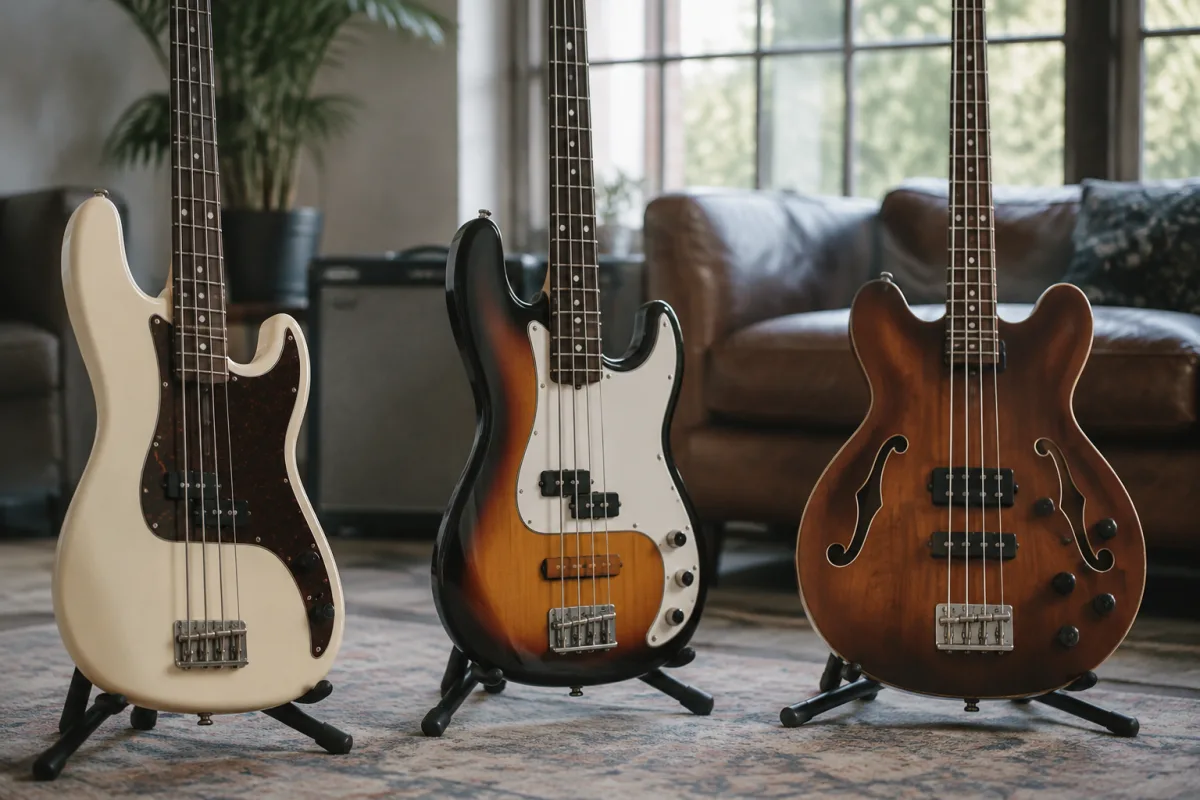
Choosing your first bass types guitar or upgrading to a different model means understanding which body style genuinely matches your musical style and playing habits. The bass types available today span decades of design evolution, each with distinct tonal characteristics, physical comfort factors, and price points. This buying guide walks you through what actually matters when comparing bass types guitar options—not just the aesthetics, but the practical differences that affect playability, sound, durability, and long-term satisfaction. You'll learn which bass types guitar styles suit different genres, how to evaluate comfort and fit, and which premium features justify their cost.
Understanding the Core Bass Types Guitar Designs
The two foundational bass types guitar designs are the Precision Bass and Jazz Bass configurations, originally developed by Fender in the 1950s and 1960s respectively. These bass types guitar models established sonic and ergonomic templates that manufacturers still reference today. Precision Bass-style instruments feature a single split-coil pickup and a thicker neck profile, producing punchy midrange tones ideal for rock, funk, and R&B. Jazz Bass-style models employ dual single-coil pickups and typically offer slimmer necks, delivering brighter, more articulate tones suitable for jazz, funk, and contemporary styles.
Beyond these classics, modern bass types guitar markets include semi-hollow and hollow-body designs, featuring chambers that add warmth and resonance, particularly prized in jazz and classic rock contexts. Modern bass types guitar designs also encompass slim-body variations, reducing overall weight and fatigue during extended practice or performance. Each bass types guitar category carries different price expectations, maintenance requirements, and sonic character.
Matching Bass Types Guitar Styles to Musical Genres
Genre suitability isn't merely aesthetic preference—it reflects genuine sonic and playability advantages. If you're committed to heavy rock, metal, or modern progressive styles, solid-body Precision-style bass types guitar instruments deliver the tight, defined low-end you need. The thick neck profile and pickup configuration excel at cutting through distorted guitars and sustaining clarity at high volumes.
For funk and R&B, either Precision or Jazz configurations work, but many players prefer Jazz bass types guitar because dual pickups offer greater tonal versatility within single pieces. You can blend pickup combinations for warmth or brightness depending on the track.
Jazz players, conversely, often choose Jazz-style bass types guitar models for their traditional association with the style and their characteristically bright, defined tone. However, semi-hollow and hollow-body bass types guitar designs increasingly appeal to contemporary jazz players seeking vintage warmth. Classical bassists favour fretless bass types guitar instruments, nearly always solid-body, prioritising sustain and finger precision.
Alternative and indie genres frequently employ Precision-style bass types guitar designs for their vintage credibility and straightforward sonic character. Pop music, featuring diverse production approaches, suits both Precision and Jazz configurations depending on the specific record's production aesthetic.
Evaluating Comfort, Neck Profile, and Body Weight
Comfort directly affects how long you can practice or perform without fatigue, making it a critical buying factor often underweighted by beginners. Neck profile—the thickness and shape of the neck—varies dramatically across bass types guitar offerings. Precision-style bass types guitar instruments typically feature fuller, rounder neck profiles, roughly 1.75 inches wide at the nut. Jazz bass types guitar models often run slimmer, around 1.5 inches, appealing to players with smaller hands or those accustomed to guitar-like neck dimensions.
Modern bass types guitar brands frequently offer multiple neck profile options within single body-style categories. Squire, for instance, offers both traditional and modern slim-neck Precision bass types guitar variants at budget-friendly prices. Test multiple neck profiles before committing to a purchase—what's comfortable for an accomplished player might feel awkward for a beginner, and vice versa.
Body weight deserves equal attention. Semi-hollow and hollow-body bass types guitar designs, despite their larger appearance, often weigh considerably less than solid-body equivalents because they lack interior wood mass. This advantage proves invaluable during long rehearsals or touring. Conversely, dense solid-body bass types guitar instruments may feel more substantial and grounded to some players—a genuinely important comfort factor.
Sound Characteristics That Matter When Buying
When evaluating different bass types guitar options, listen specifically for three sonic properties: attack (how quickly the note begins), sustain (how long the note persists), and frequency balance (whether the bass types guitar emphasizes low, mid, or high frequencies). Precision-style bass types guitar instruments excel at punchy attack and midrange emphasis, perfect for defined, articulate playing. Jazz bass types guitar models typically offer slower attack and warmer midrange, supporting legato playing and subtle tonal variation.
Pickup type fundamentally shapes sound. Single-coil pickups, common in Jazz bass types guitar designs, deliver clarity and articulation but can introduce hum in electromagnetically noisy environments. Split-coil pickups, featured in Precision bass types guitar models, reject hum naturally whilst delivering thick, focused tones. When shopping for bass types guitar instruments, factor in whether you'll play in studios, venues with extensive electrical equipment, or home environments where hum matters less.
Wood selection influences tone subtly but genuinely. Ash-bodied bass types guitar instruments tend slightly toward bright, focused tones; alder-bodied bass types guitar designs lean warmer and rounder. Most budget and mid-range bass types guitar offerings use consistent wood, but premium models sometimes vary construction, so compare wood specs when choosing.
Budget Considerations Across Bass Types Guitar Price Ranges
Budget bass types guitar instruments (typically under £250) from reputable manufacturers like Squire, Yamaha, and Ibanez represent outstanding value. They cover the core bass types guitar categories adequately and suit learners and casual players. Expect solid playability and acceptable sound quality, with limitations in hardware durability and finish refinement.
Mid-range bass types guitar purchases (£250–£600) deliver noticeable improvements in hardware quality, fret work, electronics reliability, and tonal clarity. Most gigging semi-professional players operate at this level. Mid-range bass types guitar instruments from established brands maintain value better than budget models and reward long-term use.
Premium bass types guitar instruments (£600–£1500+) typically employ superior construction materials, refined hardware, and often custom electronics. Vintage bass types guitar models command premiums based on provenance and scarcity. Premium bass types guitar purchases make sense if you're a professional requiring specific tonal character or ergonomic requirements unavailable in lower price tiers.
New vs. Used: Practical Considerations
Used bass types guitar shopping can yield exceptional value, particularly if you're willing to inspect instruments thoroughly and negotiate pricing. Established brands hold value better than unknown manufacturers, so prioritise used Fender, Yamaha, and Ibanez bass types guitar models over lesser-known brands at superficially attractive prices.
When evaluating used bass types guitar instruments, inspect frets for wear (look for divots under bright light), check that tuning machines function smoothly, and confirm electronics operate across full volume and tone ranges. Neck warping is the costliest issue on used bass types guitar purchases; sight down the fretboard from the headstock end to check straightness.
Buying new bass types guitar instruments offers peace of mind, manufacturer warranty, and guaranteed hardware functionality. The decision between new and used bass types guitar shopping hinges on your budget flexibility and technical inspection confidence.
Making Your Final Decision
Before purchasing, commit to answering five questions about your ideal bass types guitar. First: which genres dominate your playing ambitions? Precision-style bass types guitar instruments suit rock and funk; Jazz styles fit jazz and contemporary music. Second: which neck profile feels natural in your hands? This requires hands-on testing and shouldn't be overridden by online specifications. Third: what's your realistic budget, and are you willing to buy used to access higher-quality bass types guitar instruments? Fourth: will you play primarily alone, with bandmates, or in venues where electronics noise might require hum-cancelling pickup designs? Fifth: which colour and aesthetic appeal draw you back to your instrument?
For a comprehensive overview of bass guitar styles, features, and maintenance, explore our complete guide to bass types guitar.
Conclusion: Your Bass Types Guitar Investment
The "best" bass types guitar doesn't exist in absolute terms—only the best bass types guitar for your specific situation. By narrowing options through genre requirements, comfort evaluation, and honest budget assessment, you'll identify bass types guitar instruments that suit your needs. Don't rush the decision; if possible, borrow bass types guitar instruments from friends or visit music shops to test multiple configurations. Your bass types guitar purchase will influence your playing satisfaction, practice duration, and ultimately your musical growth for years to come.



Comments