


Bass Overdrive Pedal Buying guide
Bass Overdrive Pedal: A Complete Buyer's Guide
Choosing a bass overdrive pedal is tricky — the wrong one kills your tone, the right one adds warmth and presence. This guide covers specs, brands, and what to listen for.
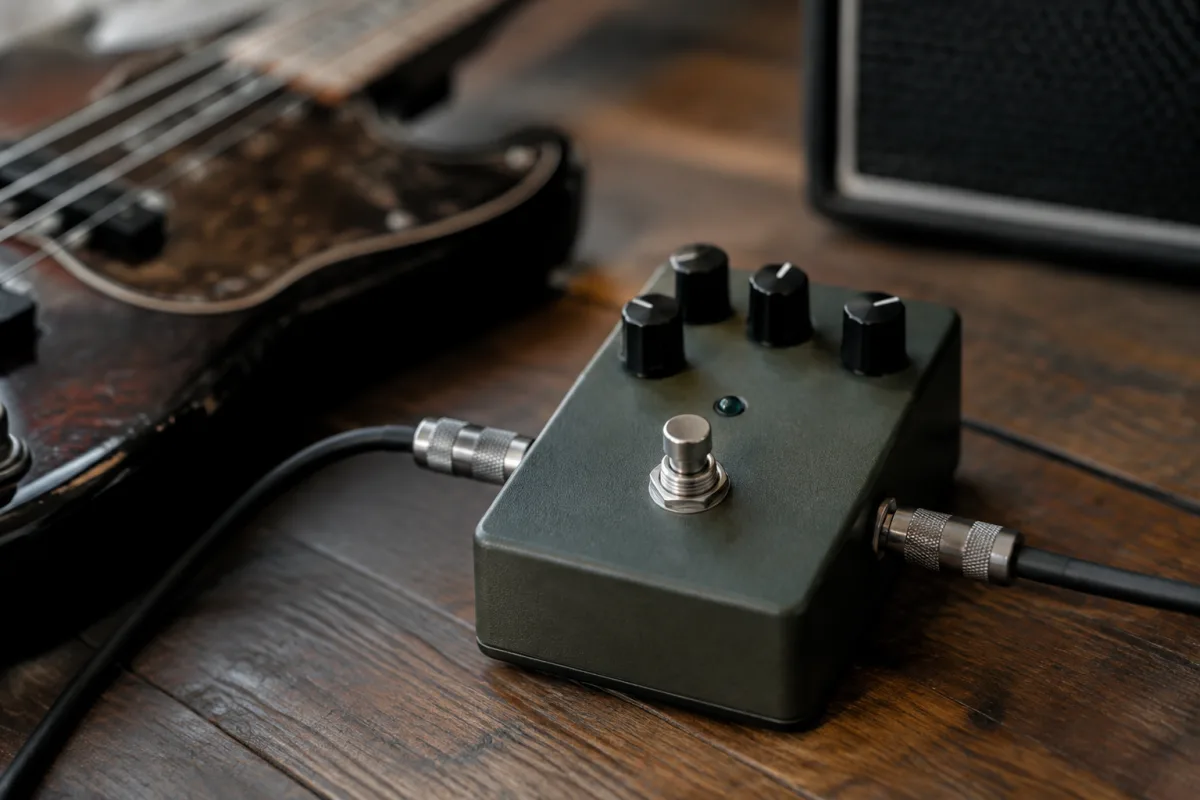
Bass overdrive pedals are notoriously tricky to get right — the wrong one can turn your tone into muddy mush, whilst the right one adds warmth, grit, and presence. If you're shopping for your first bass overdrive, you're facing a bewildering number of options, each claiming to be "the best." This guide walks you through the specs that actually matter, the pitfalls that catch most bass players, and how to match a pedal to your style and budget.
Understanding Bass Overdrive vs. Guitar Overdrive
Here's the first mistake most bassists make: grabbing a guitar overdrive pedal and expecting it to work. It won't — not well, anyway. Guitar overdrive is designed for the guitar's frequency range and dynamic response. Bass frequencies are lower and richer; they interact with overdrive circuits differently. A bass-specific overdrive pedal is voiced to preserve low-end clarity whilst adding the grit you want.
A decent bass overdrive should enhance your tone without burying your fundamental frequency. You want dirt and character, not bass soup.
Key Specs to Compare
When you're evaluating pedals, these specs tell you what to expect:
- Drive / gain range: How much dirt can you add? Some pedals max out at light breakup; others go full fuzz. Look for a range that suits your style — blues players want subtle dirt, metal bassists want extreme.
- Tone / EQ controls: A 3-band EQ (bass, mid, treble) gives you surgical control. Single tone knobs are simpler but less flexible. Bass-specific pedals often have dedicated bass and treble controls to protect your lows.
- Blend / mix control: This lets you blend clean signal with overdriven signal. Essential for retaining definition; you can have grit without losing clarity.
- Output level: Can the pedal boost your signal, or only attenuate? A volume boost is useful for solos or compensating for signal loss in your chain.
- Footswitch style: Latching (you tap to toggle on/off) or momentary (you hold to engage)? Latching is standard; momentary is rarer but useful for switching effects mid-performance.
Common Pitfalls When Buying
The biggest mistake is assuming a "high-end" pedal or brand name guarantees results. Some legendary guitar overdrive pedals sound terrible on bass. Always demo a pedal before you commit, or buy from a retailer with a generous return policy.
Another pitfall: ignoring the blend control. Without it, you can easily lose your low-end definition as you increase drive. A pedal with a robust blend knob (or a separate clean output) lets you dial in the exact amount of grit whilst keeping your bass present.
Price-shopping without testing is also risky. A £50 pedal from a reputable bass brand often outperforms a £150 guitar overdrive pushed hard. Price correlates loosely with quality on bass pedals; fit for purpose matters more.
Price Tiers and What to Expect
Budget tier (£40–80): Simple one-knob or two-knob designs. Expect usable tone, but limited control. Brands like Behringer or budget Boss offer decent value if you know what sound you want.
Mid-range tier (£80–180): This is the sweet spot. Pedals from MXR, Boss, Fender, and bass-focused brands like Darkglass Electronics deliver excellent tone, multiple controls, and reliability. You're paying for quality circuitry and build durability.
Premium tier (£180+): High-end boutique pedals from Subdecay, Malekko, or signature units from pro players. Excellent sound and often handwired, but overkill unless you gig regularly or have very specific tone goals.
Bass Overdrive Styles and Sound Characteristics
Soft overdrive pedals add warmth and slight breakup — perfect for jazz, soul, or subtle character in rock. Look for low-gain options with a blend control.
Medium overdrive is the workhorse for most genres. Think classic rock, alternative, indie bass. These pedals add presence and grit without sounding synthy or artificial.
Heavy overdrive and distortion-leaning overdrives suit metal, post-hardcore, and high-gain rock. They compress the tone and add sustain. A blend knob becomes essential here — you need to retain definition.
Vintage-voiced overdrives (often modelled on old fuzz or classic rock circuits) sound warm and organic. If you play classic rock or blues, these are worth exploring.
Critical Features for Bass Players
A low-frequency filter or bass-cut option lets you tighten the sound if the pedal muddies your lows. This is a nice-to-have for controlling the bottom end without losing character.
A clean / blend output is gold. It lets you send overdriven signal to one amp and clean signal to another, or adjust the mix in a multiband rig. It's also useful for maintaining definition in super-heavy tones.
Robust mid controls help you dial in presence without harshness. Bass frequencies and mids interact; good EQ lets you sculpt around them.
True bypass (the pedal doesn't affect your tone when switched off) is standard on quality pedals. Cheaper units sometimes colour your signal even when off, which is annoying.
Testing Before You Buy
If possible, visit a shop and plug in through their rig. Play your normal lines — not just open strings or single notes. Listen for mud, for definition, for whether the overdrive responds to your dynamics. A good pedal tracks your playing accurately; cheap ones sound the same whether you dig in or feather the strings.
If you can't demo in person, buy from an online retailer with a return policy. Most reputable bass shops offer 14–30 days to try and return if unsatisfied. Use that window to audition the pedal in your own rig and with your amp.
Setting Up Your First Bass Overdrive
Start with the drive knob at zero and gradually increase until you hear grit. Find the sweet spot where it enhances tone without muddying lows. Then experiment with the tone and blend controls. Most bass players end up with drive set fairly low (2–4 o'clock) and a generous blend of clean signal retained.
Plug the overdrive early in your chain — right after the bass, before any compression or modulation. This lets the dirt react naturally to your playing dynamics.
Brands Worth Considering
MXR M81 (£100–150) — legendary for bass, warm and defined, highly tweakable.
Darkglass Electronics Vintage Microtubes (£120–160) — modern design, killer tone, excellent controls.
Boss OD-3 (£60–90) — simple and reliable, a workhorse for decades.
Fender Downtown Express (£80–120) — vintage-voiced, smooth breakup.
Tech21 VT Bass (£150–200) — amp modelling with overdrive, premium option.
Making Your Final Choice
Decide your budget, narrow the field to pedals in that range with features you want (blend control, EQ options), then demo or test-drive. Trust your ears — if it sounds good and feels responsive to your playing, it's the right pedal.
For a deeper dive into bass overdrive options and how to integrate them into your rig, read our complete guide to bass overdrive pedals. It covers everything from classic sounds to modern innovations.
A great overdrive pedal becomes an extension of your tone. Invest wisely, audition carefully, and enjoy the character it brings to your bass.


Comments