


Bass Multi Effects article
Bass Multi Effects for Beginners: A Complete Guide
Bass multi effects inspire tone exploration for beginners but aren't essential. This guide covers effect types, budget options, mistakes to avoid, and practical next steps.
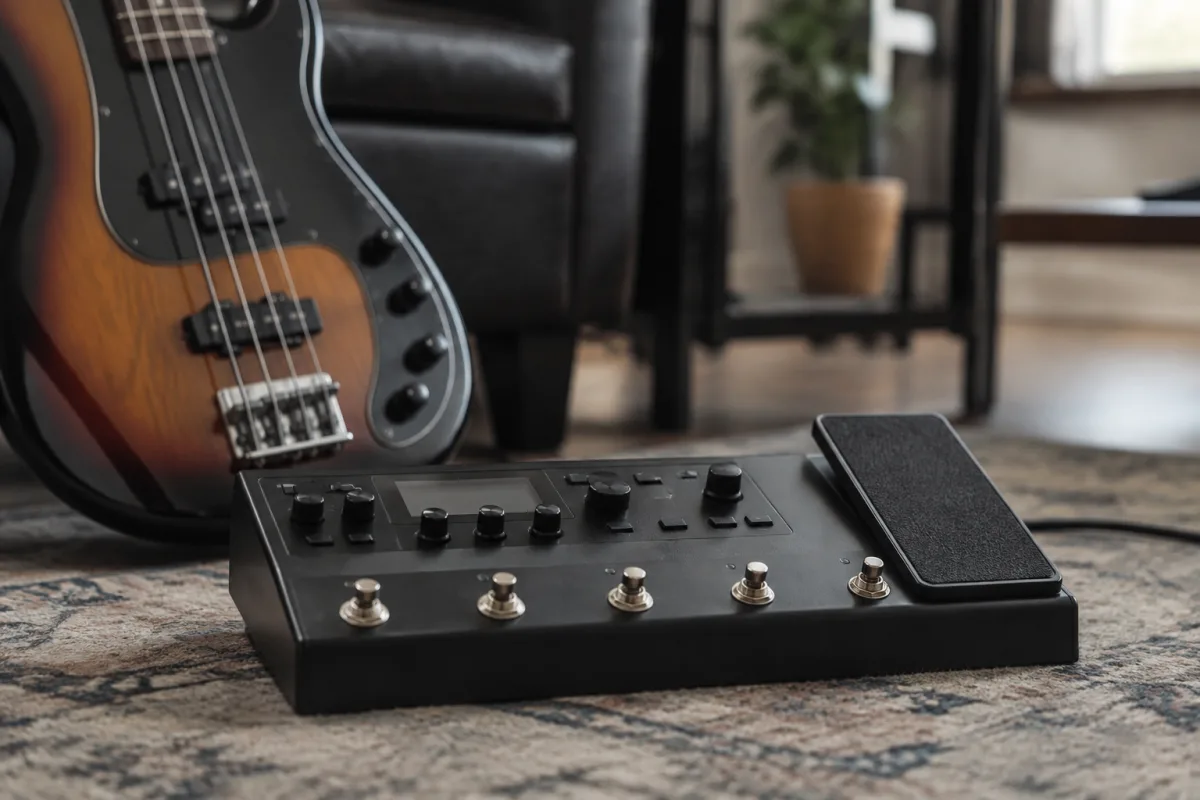
Learning bass without bass multi effects is perfectly fine, but these tools can accelerate your tone exploration and inspire creativity. If you're nervous about bass multi effects—worried they're too complicated, cost too much, or aren't "real" bass playing—this guide removes those barriers. You'll discover why beginners can genuinely benefit from bass multi effects, how to choose without overthinking, and how to avoid expensive mistakes.
Why Beginners Consider Bass Multi Effects
Bass multi effects serve different purposes at different playing stages. As a beginner, understanding why you might want bass multi effects helps you decide if they're right for you.
Bass multi effects inspire tone exploration. When you're learning bass fundamentals, playing with bass multi effects keeps practice exciting. Hearing how effects transform your tone motivates continued playing. This is genuinely valuable for building consistent practice habits.
Bass multi effects improve home recording possibilities. If you're recording bass at home, bass multi effects let you shape tone without expensive amplifier equipment. You can record polished bass parts directly to your computer.
Bass multi effects develop ear training. Experimenting with bass multi effects teaches you how tone changes affect musical feel. This sonic awareness transfers to every bass playing situation, whether you're using effects or not.
Bass multi effects aren't essential for beginning bass. Plenty of excellent bass players learned pure fundamentals without any effects. Bass multi effects are optional tools that accelerate some aspects of learning. Not requirements.
Understanding What Bass Multi Effects Actually Do
Bass multi effects can seem mysteriously complex. Here's the simple truth: bass multi effects are boxes containing various sound-shaping tools.
Gain and distortion in bass multi effects make your bass louder or grittier. Overdrive sounds warm and natural. Distortion sounds heavy and crunchy. Fuzz sounds fuzzy and aggressive. These three are the most commonly used bass multi effects.
Modulation effects in bass multi effects (chorus, flanger, phaser) add motion and texture. Your bass tone shifts and swirls rhythmically. These bass multi effects are fun to experiment with but rarely essential for beginners.
Delay and reverb in bass multi effects add space. Delay repeats your notes cleanly; reverb makes notes sound like they're in a larger room. Both bass multi effects work best in moderation—too much sounds muddier than clearer.
Compression in some bass multi effects smooths your playing dynamics, evening out loud and quiet notes. This helps your bass sit better in mixes.
You don't need to understand every bass multi effects type yet. Start with the ones available, experiment without fear, and develop understanding through play.
Bass Multi Effects: Budget Starter Options
Entry-level bass multi effects are surprisingly affordable. You don't need to invest significantly to explore effects.
| Price Range | Typical Capabilities | Best For | Limitations |
|---|---|---|---|
| £50-£150 | 3-5 basic effects, simple interface | Curious beginners exploring effects | Cheap sound quality, limited customisation |
| £150-£400 | 10-20 effects, better sound, multiple presets | Serious beginners wanting genuine effects | Learning curve, more complex |
| £400+ | Professional-grade effects, extensive control | Intermediate to advanced players | Overkill for most beginners, expensive |
Common First-Timer Mistakes With Bass Multi Effects
Several errors trap excited beginners. Recognising these prevents frustration and wasted money.
First mistake: Buying bass multi effects before learning basic tone production. You'll feel lost in options. Build your foundation without bass multi effects first. After 6-12 months, you'll understand your tone preferences. Then bass multi effects becomes genuinely useful rather than overwhelming.
Second mistake: Assuming more effects means better bass multi effects. A unit with 100 effects sounds impressive but creates decision paralysis. Bass multi effects with 10 excellent effects beats 100 poor ones. Quality over quantity matters.
Third mistake: Ignoring used bass multi effects. Second-hand gear costs half the new price. Technology in bass multi effects advances slowly, so older models work perfectly fine. Save money considering used options.
Fourth mistake: Leaving bass multi effects settings at extreme levels constantly. Subtle bass multi effects sound musical. Extreme settings quickly become annoying. Use moderation when shaping tone.
Fifth mistake: Assuming bass multi effects make you a better bass player. They don't. Effects are tools. Your technique, timing, and musicality matter infinitely more than tone tricks. Never prioritise effects over fundamental practice.
Your Practical Starting Path With Bass Multi Effects
If you decide exploring bass multi effects appeals to you, here's the sensible approach:
Step one: Practise bass without effects for 3-6 months, building fundamentals. This grounds you in real bass tone.
Step two: Try bass multi effects at a friend's house or music shop. Play for 15-20 minutes, listening to how effects transform your tone. This experiential learning matters more than reading descriptions.
Step three: If bass multi effects genuinely inspire you, invest in mid-range equipment. Mid-range bass multi effects (£150-£400) offer excellent sound quality and genuine capability. This price sweet spot delivers real value.
Step four: Explore slowly. Spend weeks with one bass multi effects setting before changing. This builds understanding rather than creating sonic chaos.
For comprehensive details on all bass multi effects types and advanced setup techniques, read our complete guide to bass multi effects, which covers every effect type and professional applications in depth.
The Honest Truth About Bass Multi Effects
Bass multi effects aren't necessary for becoming a good bass player. Countless excellent musicians never used effects. Bass multi effects are optional tools for tone exploration. If they appeal to you, experiment. If they don't, your bass journey is perfectly valid without them.
What matters: consistent practice, good technique, understanding music theory, and developing musical taste. Bass multi effects make some paths smoother but don't create musicians. You do that through dedication and time. Bass multi effects just make the journey more interesting sometimes.


Comments