


Bass Multi Effects Buying guide
Bass Multi Effects: A Complete Buyer's Guide
If you're considering bass multi effects, you're looking at one of the smartest investments modern bassists can make. Rather than accumulating separate pedals, a bass multi effects unit consolidates distortion, compression, modulation, delay, reverb, and amp simulation into single portable device.
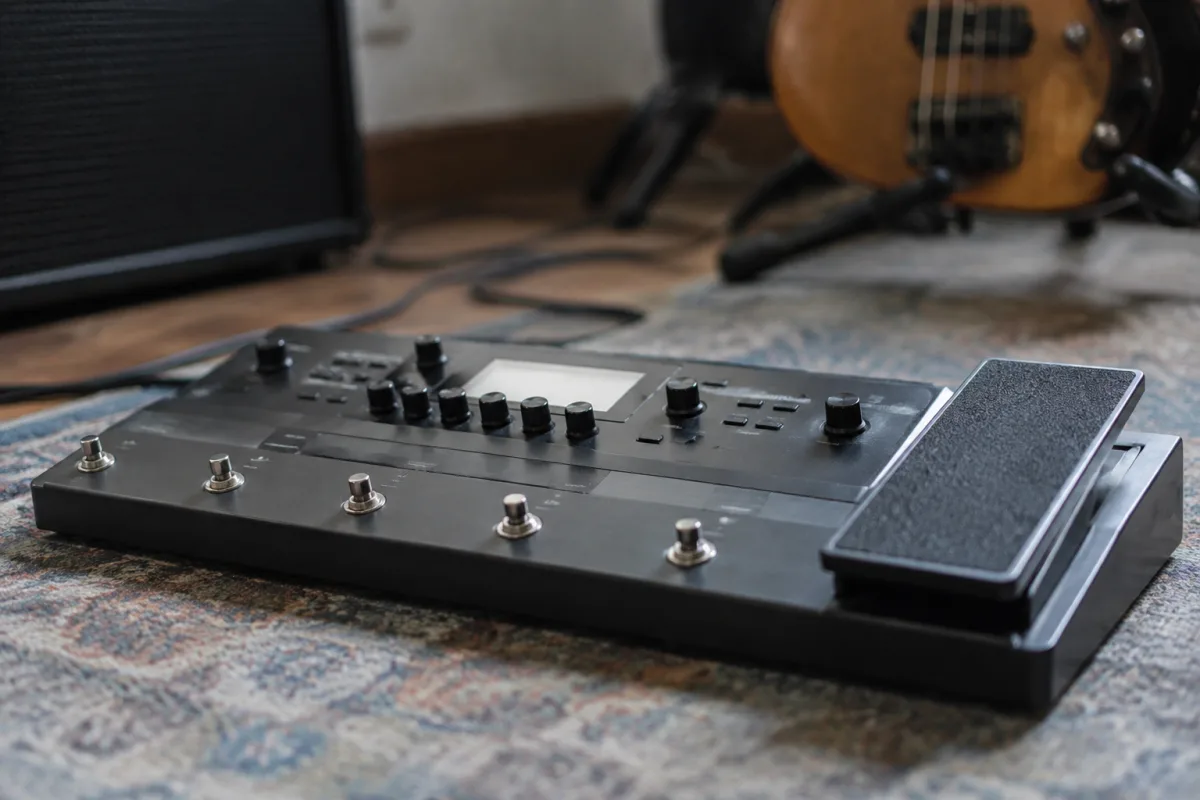
If you're considering bass multi effects, you're looking at one of the smartest investments modern bassists can make. Rather than accumulating separate pedals, a bass multi effects unit consolidates distortion, compression, modulation, delay, reverb, and amp simulation into single portable device. Whether you're a touring musician, session player, or dedicated amateur, choosing the right bass multi effects transforms your playing possibilities. This guide shows you exactly what specifications matter, how to evaluate options, and how to avoid expensive mistakes.
Why Bass Multi Effects Make Sense in 2025
Five years ago, dedicated pedal chains were arguably superior to bass multi effects. Technology has shifted dramatically. Modern bass multi effects offer sound quality matching professional studio gear, powerful processors enabling complex signal routing, and enough effects variety to handle virtually any musical scenario. The argument against bass multi effects has largely dissolved—today the choice is practical rather than ideological.
A bass multi effects unit reduces the physical footprint compared to extensive pedal boards. It powers from USB or standard power supplies rather than requiring massive PSUs for individual pedals. Setup time decreases from minutes to seconds. Touring becomes genuinely practical when you're transporting one device rather than dozen pedals and cables. For bassists gigging regularly or touring internationally, bass multi effects is genuinely liberating.
Core Specifications: Understanding Your Options
When evaluating bass multi effects, several specifications determine functionality, flexibility, and price:
Effects library: Quality bass multi effects include 50-100+ effects covering distortion/overdrive, compression, modulation (chorus, flanger, phaser), delay, reverb, wah, pitch shifters, and amp simulation. More effects aren't always better—you'll use 10-15 regularly regardless of how many available. Depth within each effect category matters more than quantity. A bass multi effects with excellent compression and modulation is superior to one with mediocre versions of everything.
Simultaneous effects: How many effects can run at once? Budget bass multi effects allow 4-6 effects simultaneously. Professional units enable 8-12 effects chained together. For most playing styles, 6-8 simultaneous effects suffices. Extremely experimental players or session musicians recording complex sounds benefit from maximum simultaneous effects.
Expression pedal: An integrated expression pedal controls parameters in real time (typically volume or filter sweep). Separate expression pedals are available but integrated solutions (common on quality bass multi effects) simplify everything. If live performance matters to you, this feature transforms usability.
Amp modelling: Professional bass multi effects include amplifier simulation matching classic bass amp characteristics. This matters if you're using bass multi effects as your primary signal source to mixing desk or audio interface. Quality amp modelling in bass multi effects replaces dedicated amplifier for direct recording/streaming scenarios. Poor amp modelling sounds thin and unconvincing. Test this feature if it's important to your workflow.
Footswitches and displays: Budget bass multi effects have minimal controls and small screens. Professional units include 5-10 footswitches and large screens enabling real-time editing. For live use, foot accessibility matters—you don't want twisting knobs between songs. For studio work, a large display simplifies editing. Match interface to your use case.
Form Factor Options for Bass Multi Effects
Bass multi effects come in distinct physical formats:
- Compact floor units: Pedalboard-sized bass multi effects (£150-400) fit on existing pedalboards or function standalone. Smaller size means fewer controls but portable and flexible. Good for players who want bass multi effects as supplement to existing pedals rather than complete replacement.
- Full-size floor processors: Dedicated bass multi effects (£300-800) with extensive footswitches, screens, and control surfaces. Heavier and bulkier but genuinely professional interfaces. Standard for touring bassists. These dedicated bass multi effects justify their size through functionality.
- Modelling units: Purpose-built bass amp modellers (£200-600) focused specifically on amplifier and cabinet simulation, often with effects but emphasising amp characteristics. These bass multi effects appeal to players prioritising amp tone above all else. Less versatile than general bass multi effects but superior amp simulation.
- Rack units: Professional studio bass multi effects (£500-2000+) for stationary installations. Overkill for touring; essential for permanent studio rigs. Not appropriate for most musicians.
Price Tier Analysis
Bass multi effects pricing spans significant range based on capability and manufacturer:
Budget tier (£100-200): Entry-level bass multi effects with basic effects, limited simultaneous processing, and minimal controls. These work for practice and bedroom recording but frustrate in live performance due to slow editing and limited capabilities. Suitable only if you're testing whether bass multi effects suits your workflow.
Mid-range tier (£250-500): This is where serious players operate. Bass multi effects at this price include professional-quality effects, adequate simultaneous processing (6-8 effects), expression pedal, and reasonable controls. Sound quality rivals dedicated studio gear. Most touring bassists choose this tier—best balance between capability and cost. Recommended for serious players.
Professional tier (£600-1200): Advanced bass multi effects with maximum simultaneous effects, sophisticated amp modelling, customisable interface, and premium build quality. These are investment purchases for session players or touring professionals demanding maximum flexibility. Justified expense only if you're generating income from playing.
High-end tier (£1200+): Specialist equipment for permanent studios or extreme use cases. Unnecessary for most musicians regardless of ambition.
Effects Quality Matters More Than Quantity
A bass multi effects with 60 mediocre effects is inferior to one with 40 excellent effects. Test compression quality specifically—this effect transforms bass tone more than any other. Poor compression in bass multi effects sounds artificial and destroys natural attack. Professional compression (modelled after classic studio units) feels natural and responsive. Similarly, reverb quality, amp modelling accuracy, and overdrive character vary dramatically between bass multi effects units.
This matters because you're buying playability, not specifications. An effect you love using daily is worth more than dozen effects you never enable. Spend time trialling bass multi effects before buying. Visit shops allowing testing with your own bass. Record samples. Listen critically to compression response and overdrive character specifically.
Common Purchasing Mistakes
These predictable errors trap bass multi effects buyers:
- Assuming you'll use all effects: Bassists typically use compression, distortion, modulation, and delay regularly. Reverb for ambience. Most other effects (wah, pitch shifters, extreme modulation) rarely appear in actual sets. Buy for the effects you'll use daily, not the theoretical ones.
- Underestimating interface importance: A bass multi effects with insufficient footswitches or small screens becomes frustrating during performances. Spend time evaluating real-world usability before purchasing. Poor interface wastes the expensive processing power behind it.
- Overlooking amp modelling quality: If you're using bass multi effects for direct recording or streaming, amp modelling quality is critical. Test this specific feature extensively. Poor modelling defeats the purpose of replacing your amplifier.
- Ignoring power requirements: Full-size bass multi effects units consume 10-20 watts. Confirm your pedalboard power supply or USB connection provides sufficient power. Underpowered bass multi effects exhibits glitches and dropouts.
- Buying blind based on brand name: Reputable manufacturers (Zoom, Line 6, Boss, Kemper) make reliable bass multi effects, but models vary. Research specific models thoroughly rather than assuming brand reputation guarantees suitability. Peer reviews and demonstrated footage matter more than marketing claims.
- Skipping firmware updates: Professional bass multi effects receive firmware updates improving sound, adding features, and fixing issues. Manufacturers supporting bass multi effects with regular updates justifies the investment. Check update history before buying.
New vs. Used Bass Multi Effects
Bass multi effects hold value reasonably well. Used units typically sell for 60-75% of retail price depending on age and condition. Buying used makes sense if you're testing whether bass multi effects suits your workflow, or upgrading from budget to professional unit. However, inspect carefully. Test all footswitches, verify screen functionality, check USB connectivity, and confirm firmware loads properly. A faulty bass multi effects from private seller offers no warranty.
Authorised retailers selling used/demo bass multi effects often provide limited warranties. This middle ground between new (full price, full warranty) and private purchase (uncertain condition, no warranty) offers decent compromise.
Integration with Existing Setup
Most bassists don't immediately replace their entire rig with bass multi effects. You might use multi effects as primary signal source while keeping favourite pedals for specific tasks, or run through existing amplifier for tone shaping. Understanding integration points matters:
Bass multi effects outputs typically include main stereo outputs (to mixer or audio interface), headphone output, and direct amp output (sending full unaffected signal to your amplifier). This flexibility lets you route bass multi effects into existing rigs without completely overhauling setup. Professional bass multi effects users often run main output to mixer while keeping amp connection for stage monitoring.
Warranty, Support, and Long-Term Ownership
Quality bass multi effects manufacturers offer 1-2 year warranties and active customer support. They release regular firmware updates adding features and improving sound. This ongoing support justifies higher pricing. Check when the last update was released before buying—recently updated bass multi effects suggests the manufacturer actively develops it. Abandoned bass multi effects (no updates in 2+ years) might be solid but suggests declining manufacturer interest.
Choosing the right bass multi effects transforms what's possible musically. Invest in the capabilities you'll actually use, prioritise effects quality over quantity, and ensure the interface suits your live performance needs. For detailed exploration of bass multi effects technology and comprehensive comparison of options available, read our complete guide to bass multi effects. The investment makes genuine sense for modern bassists whether touring professionally or playing seriously as hobby.


Comments