


Explorer Bass Guitar Buying guide
Explorer Bass Guitar: A Complete Buyer's Guide
The Explorer bass guitar looks distinctive but isn't for everyone. This buying guide explains what to check, pitfalls to avoid, and whether an Explorer suits your needs.
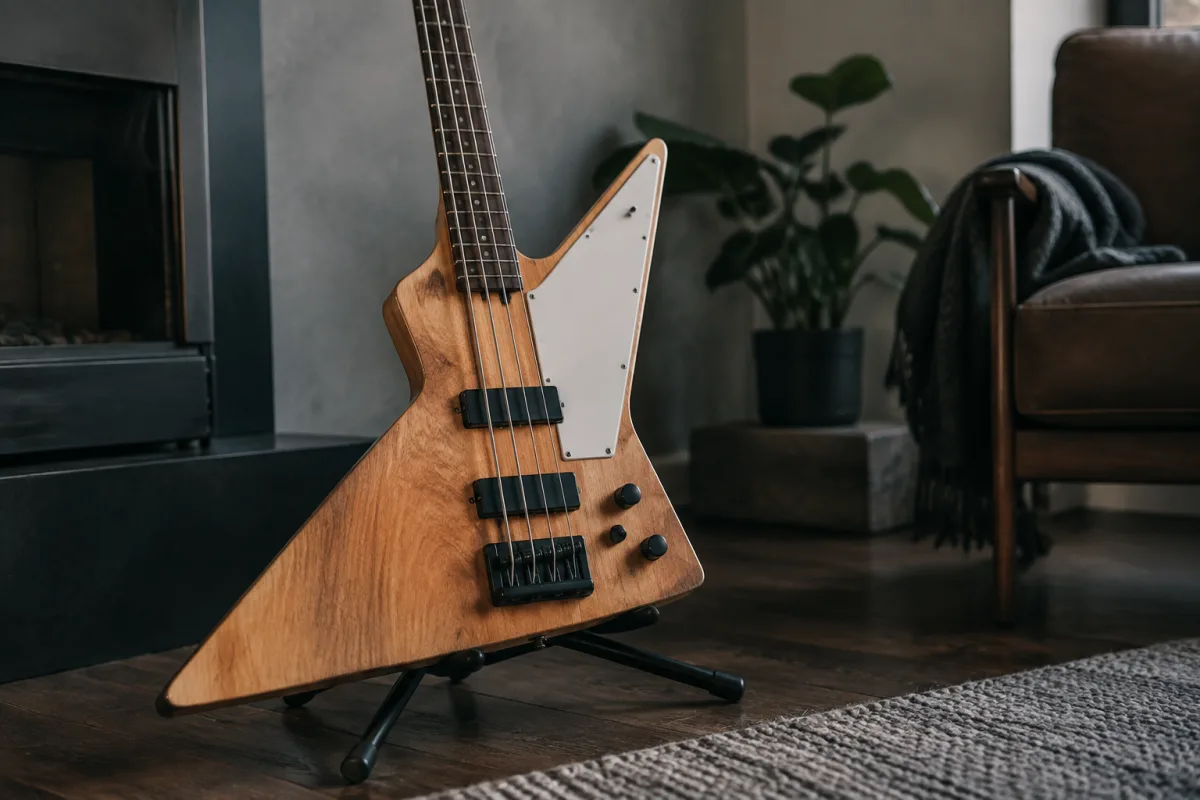
The Explorer bass guitar stands out for its bold angular design and commanding tone—but should you actually buy one? The distinctive shape that made the Explorer famous looks fantastic onstage, but the real question is whether it suits your playing style, budget, and needs. This buying guide cuts through the aesthetic appeal and focuses on what matters: playability, value, and whether an Explorer bass is the right choice for you.
Why Consider an Explorer Bass Guitar?
The Explorer bass appeals to players who want something visually distinctive and tonally focused. If you're playing rock, metal, or punk where stage presence matters, the Explorer's sharp lines and confident stance make a statement. Tonally, the Explorer bass design tends toward clarity and punch—ideal for cutting through a mix. But that same design philosophy means it's not the most versatile bass. If you need a workhorse bass for jazz, funk, and rock equally, a more conventional Precision or Jazz bass might serve you better. Buy an Explorer bass for the specific sound and look you want, not as a "one-size-fits-all" instrument.
The Gibson Explorer Bass vs. Other Makes
Gibson's original Explorer bass set the template. The authentic Gibson version costs £2,000–£4,000 new, depending on the series. Other manufacturers make Explorer-inspired designs:
- Epiphone Explorer Bass: Gibson's budget line, around £400–£700. Solid playability for beginners and budget-conscious players. Electronics and finish quality are acceptable but not premium.
- Vintage and used Explorer basses: Older Gibson Explorers (1980s–2000s) often play better than new budget versions and cost £800–£2,000 depending on condition.
- Custom shop / artist models: Luthiers and boutique makers offer Explorer-style basses at £3,000–£8,000. These usually feature upgraded hardware and custom finishes.
- Budget alternatives: Squire, Ibanez, and other brands make Expl Explorer-inspired designs under £400, though quality varies dramatically.
Key Specs to Check When Buying an Explorer Bass
| Spec | What to Look For | Why It Matters |
|---|---|---|
| Body Wood | Mahogany or alder (solid, not veneer) | Solid wood resonates better and lasts longer. Veneer over plywood is cheaper but sounds dead and won't age well. |
| Neck Joint | Bolt-on or set-neck | Set-neck is more expensive but provides tighter coupling to the body. Bolt-on is easier to repair. Either works; preference varies. |
| Pickup Configuration | Usually a humbucker at the bridge | Humbuckers on Explorer basses deliver thick, punchy tone. Make sure you like the pickup character before buying—it's expensive to replace. |
| Fretboard Material | Rosewood or ebony (not painted fretboard) | Solid fretboard material plays and feels better. Painted fretboards save cost but feel cheap and wear quickly. |
| Hardware Quality | Tuners, bridge, strap locks | Cheap hardware means tuning drift and hardware failure. Check that tuners are smooth and bridges feel sturdy. |
| Finish | Glossy or satin (check for smooth application) | Cheap finishes crack and chip easily. Run your hand over the finish; it should feel glass-smooth with no rough patches. |
Playability Considerations for Explorer Bass Guitars
The Explorer's angular body shape looks great but has real-world playability implications. The body contours can dig into your side when you sit down, making it less comfortable for sitting practice than a Precision or Jazz bass. Strap comfort varies—test it standing for at least ten minutes before buying. The neck pocket on some Explorers can be tight, affecting how close the body sits to your body and how easily you can access higher frets.
The headstock is also larger and heavier than traditional basses, which can affect neck dive. If you're short or have small hands, this might be a problem. Always play before you buy—online photos don't show how an Explorer bass actually sits on your body.
Tone and Sound Character
The Explorer bass design emphasises clarity and attack. The sharp angles and specific body resonance mean it won't sound like a Precision or Jazz bass. It's brighter and more aggressive—great for rock and metal, potentially less ideal for smooth funk or jazz. If you're transitioning from a Precision and expecting a similar warm, thick tone, you'll be disappointed. Listen to recordings of Explorer bass through the amplifiers you actually use before buying. Tone preferences are personal, but the Explorer bass has a distinct character that doesn't work for every style.
Price Ranges and Where to Buy
- Budget (£250–£500): Epiphone, Squire, budget alternatives. Playable but electronics and construction quality are basic. Good for beginners or as a second instrument.
- Mid-range (£500–£1,500): Better Epiphones, vintage used Gibsons, boutique entry-level options. Solid playability and tone. This is where most players find good value.
- Premium (£1,500–£4,000): New Gibson Explorer Bass, high-end vintage Explorers, quality custom builds. Professional-grade construction and tone.
- Collector/Custom (£4,000+): Limited editions, vintage rarities, fully bespoke builds. For serious collectors or players with specific requirements.
Buy from reputable dealers (Thomann, Reverb, Andertons, or local music shops) where you can inspect or return. Online marketplaces like Reverb are good for used Explorers, but always check photos and ask questions about condition before committing.
Common Pitfalls When Buying an Explorer Bass
- Buying for the look, ignoring playability. The Explorer looks great in a music video, but if it's uncomfortable to play, you won't pick it up. Comfort matters more than aesthetics.
- Assuming all Explorer basses sound the same. A £300 Epiphone plays and sounds dramatically different from a £2,500 Gibson. Budget isn't everything, but cheap Explorers can feel poorly constructed and sound thin.
- Ignoring neck dive. Some Explorer basses suffer from severe neck dive when standing (the headstock points downward). This ruins live performance. Test standing for 10+ minutes before buying.
- Underestimating the learning curve. If you're used to a Precision bass, the Explorer's body contours and aggressive tone take adjustment. It's not just a cosmetic change.
- Overlooking action and setup. A poorly set-up Explorer bass feels impossible to play. Always ask about setup or plan to budget £100–£150 for a professional setup if buying used.
- Buying a rare colour thinking it holds value. Rare finishes don't reliably hold resale value. Buy the colour you love, not the one you think will appreciate.
Testing an Explorer Bass Before You Commit
Always test an Explorer bass in person if possible. Play it sitting down, standing up, and with your own strap. Plug into an amplifier similar to what you use at gigs (ideally your own amp). Play songs you actually play, not just random notes. Spend at least 30 minutes with the bass before deciding. If buying online or vintage, check the return policy—some sellers accept returns; others don't. Buy from sellers with clear policies.
For comprehensive information on bass guitar styles, tone, and technique, read our complete guide to Explorer bass guitar.



Comments