


Bass Guitar Preamps article
Bass Guitar Preamps for Beginners: A Complete Guide
New to bass preamps? This guide demystifies preamp technology, explains essential controls, and builds confidence in tone shaping without intimidation.
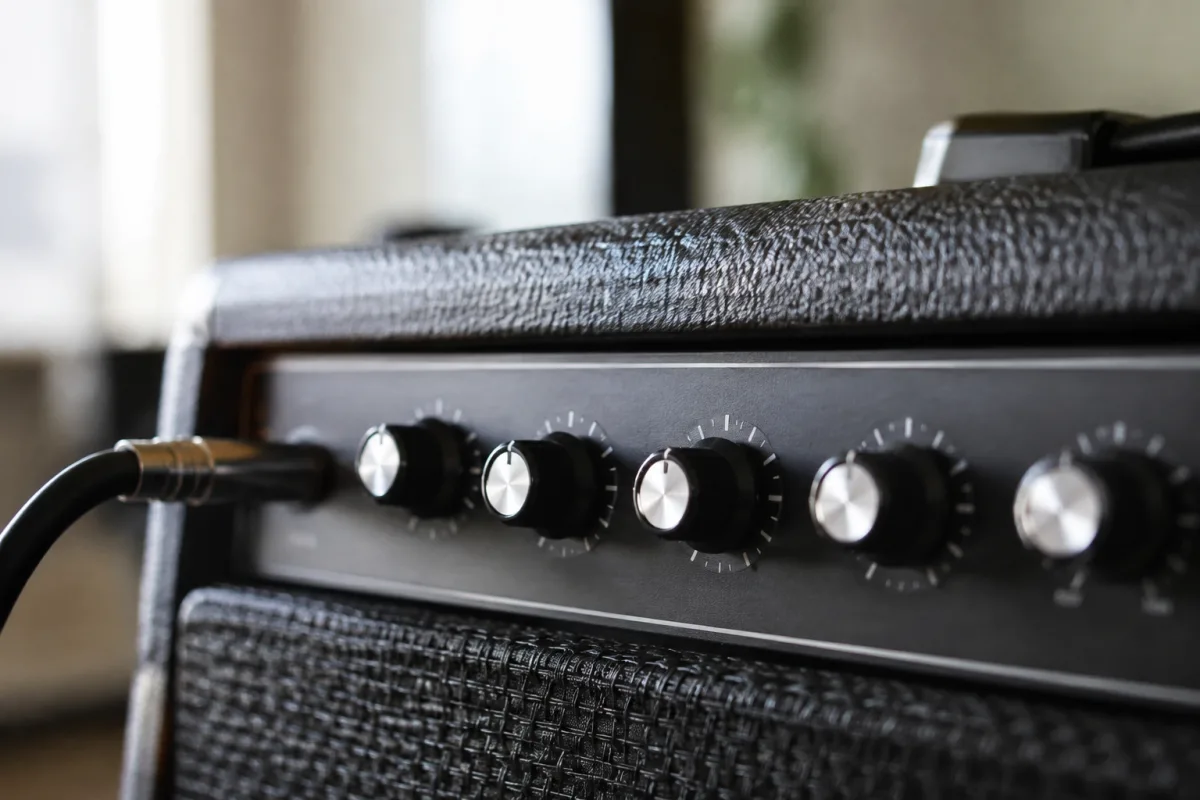
Bass guitar preamps seem mysterious and technical to beginners—mysterious black boxes with knobs and switches that somehow make your bass sound better. The truth is simpler: a preamp is essentially a sophisticated volume and tone controller that boosts your bass signal and shapes it with EQ and effects before sending it to an amplifier. Understanding preamps transforms you from intimidated observer to confident player who knows exactly how their tone is created and controlled. This beginner's guide demystifies preamps and builds your confidence in bass tone shaping.
What Bass Guitar Preamps Actually Do (Simplified)
Your bass pickup generates a weak electrical signal when you play strings. This signal is too faint to directly power a speaker—it needs boosting and conditioning before an amplifier can use it. A preamp receives this weak signal, amplifies it to useable levels, and shapes the tone before passing it to the amplifier. Think of it as an intermediary translator converting weak pickup signals into strong, processed signals.
The preamp introduces gain (volume boost), EQ (tone shaping), and sometimes effects (reverb, compression, distortion). Each feature directly affects your final tone. Understanding how these elements interact helps you achieve the sound you want rather than feeling like your bass tone is mysterious and outside your control.
Most modern bass amplifiers include integrated preamps—you're not purchasing separate equipment, you're learning about technology already in your amp. Desktop and rackmount preamps for advanced players are different scenarios; beginners typically work with integrated preamp controls on their amplifier.
Essential Controls Every Beginner Should Know
Gain or input level controls how aggressively the preamp boosts your signal. Too little gain and your signal is weak; too much gain and your signal distorts audibly. Start with moderate gain settings and adjust based on how your bass responds. The sweet spot is where your bass sounds full and strong without audible distortion during quiet passages.
EQ controls shape tone frequency characteristics. Bass (low frequencies) boost creates thump and depth. Midrange controls presence and punch. Treble (high frequencies) controls brightness and clarity. Start with all controls at neutral centre positions and adjust incrementally. Small EQ adjustments dramatically affect tone—less is often better than aggressive boosting.
Master volume (or output) controls overall signal strength heading to the amplifier's power section. Set this appropriately for your performance volume. It's not about making your bass "louder" in an absolute sense—it's about balancing signal strength with your amp's power capabilities.
Blend controls (on some basses) mix between neck and bridge pickups. Neck pickups sound warmer; bridge pickups sound brighter. Experimenting with blend settings teaches you how different pickup combinations create different tones. Full neck blend emphasises warmth; full bridge blend emphasises brightness.
Common Beginner Misconceptions About Preamps
Many beginners assume preamps are luxury features required only for professional players. Actually, preamps are ubiquitous—nearly all bass amplifiers include integrated preamps. You're using preamp technology whether you realize it or not. Learning about it builds confidence rather than introducing new equipment.
Beginners sometimes believe preamps magically create professional tone. Actually, preamps are tools enabling better tone shaping, but your playing technique, amp power, and speaker quality remain critical. A great preamp can't overcome poor technique or inadequate equipment. It's one piece of the tone puzzle, not a complete solution.
Some worry that adjusting preamp settings is complicated or risky. Experimentation is genuinely safe—adjusting controls won't damage equipment. You're exploring until you find settings you like. Embrace experimentation rather than fearing it.
Starting Your Preamp Learning Journey
Session one: identify all controls on your amp's preamp section. Read your amplifier's manual to understand what each control does. Take photographs or write notes about control locations. This familiarity eliminates mystery.
Session two: start with all controls at neutral (usually centre position marked on knobs). Play through your bass and listen to the baseline tone. Now adjust one control slightly—perhaps the bass knob—and listen to how tone changes. Rotate the knob back to centre and adjust a different control. This systematic exploration teaches you what each control does.
Session three: after understanding individual controls, experiment with combinations. Boost bass slightly while adding midrange presence. Listen to how combinations interact. Eventually you'll develop favourite settings for different playing situations.
Session four: explore your amp's effects if it has them. Reverb adds space and ambience. Compression evens out playing dynamics. Distortion adds aggression. Try each effect subtly—a little reverb sounds nice; lots of reverb sounds like playing in a cavern. Restraint typically sounds better.
Building Preamp Confidence Through Experimentation
Create a tone diary noting settings for different situations. Write down preamp settings that work well for jazz, funk, metal, or slap bass. Over time, you'll recognise patterns—jazz typically needs less treble and more midrange; metal often benefits from more aggression and less bottom end.
Compare your bass tone to professionals in your preferred genre. Listen to how their tone sits in recordings. Is it punchy? Warm? Bright? Use your preamp to approximate those characteristics. You won't replicate professional tone exactly—they have better equipment, experience, and recording facilities—but you can move your tone in desired directions.
Watch YouTube tutorials specifically covering bass tone shaping and preamp use. Visual demonstrations showing control adjustments and resulting tone changes teach effectively. Learning through listening builds intuitive understanding faster than written explanations.
Record yourself playing with different preamp settings. Listening back reveals which settings sounded best and which were problematic. Recordings are more objective than real-time listening; they reveal tone characteristics you miss during live playing.
Understanding Your Amp's Specific Preamp
Read your amplifier's manual thoroughly. Manuals explain preamp sections specifically, showing what each control affects and recommended starting points. Quality manuals include frequency ranges for EQ controls (e.g., "Bass: 40Hz to 200Hz") helping you understand tone shaping scientifically.
Your amp's preamp might include uncommon features (parametric EQ, graphic EQ, midrange presence controls, tone shaping circuits). Understanding your specific preamp teaches you what's available. Don't assume features exist until you confirm them in your manual.
Some preamps include multiple channels or switchable voicings. Explore these options during quiet practice sessions. Channel switching lets you create dramatically different tones quickly—one channel for jazz, another for rock, another for metal. This flexibility is genuinely powerful.
Common Beginner Mistakes to Avoid
Don't boost everything maximally, assuming more is better. Excessive EQ boosting creates harsh, unmusical tone that fatigues listeners. Subtle adjustments typically sound more professional than aggressive ones.
Avoid relying entirely on preamp controls to "fix" playing problems. Good tone comes primarily from your technique and playing quality. A preamp shapes good tone; it can't create it from poor fundamentals.
Don't experiment with preamp settings during performances. Learn and experiment during practice, establish stable settings before gigs, and leave settings alone during performance. Audience members notice distracting tone changes.
Never assume you've found your "perfect" tone. As you develop, your tastes change and your understanding deepens. What sounds amazing this month might feel lacking next month. Continuous, gradual refinement is normal.
For deeper technical understanding and advanced preamp concepts, explore the complete guide to bass guitar preamps, which covers preamp history, signal flow, and professional tone shaping techniques.
Your Preamp Mastery Begins Now
Bass guitar preamps aren't mysterious technology—they're accessible tools enabling better tone shaping and creative expression. Start with your amp's integrated preamp section, understand each control's basic function, and experiment gradually. You'll quickly develop intuition about tone shaping and confidence in dialling in the sound you want. Within weeks, preamp adjustment becomes automatic and enjoyable rather than confusing. Welcome to conscious, intentional tone creation.


Comments