


Bass Guitar Preamp Pedal Buying guide
Bass Guitar Preamp Pedal: A Complete Buyer's Guide
Discover how to choose the right bass guitar preamp pedal. This guide covers pedal types, critical specifications, and factors that determine tone quality.
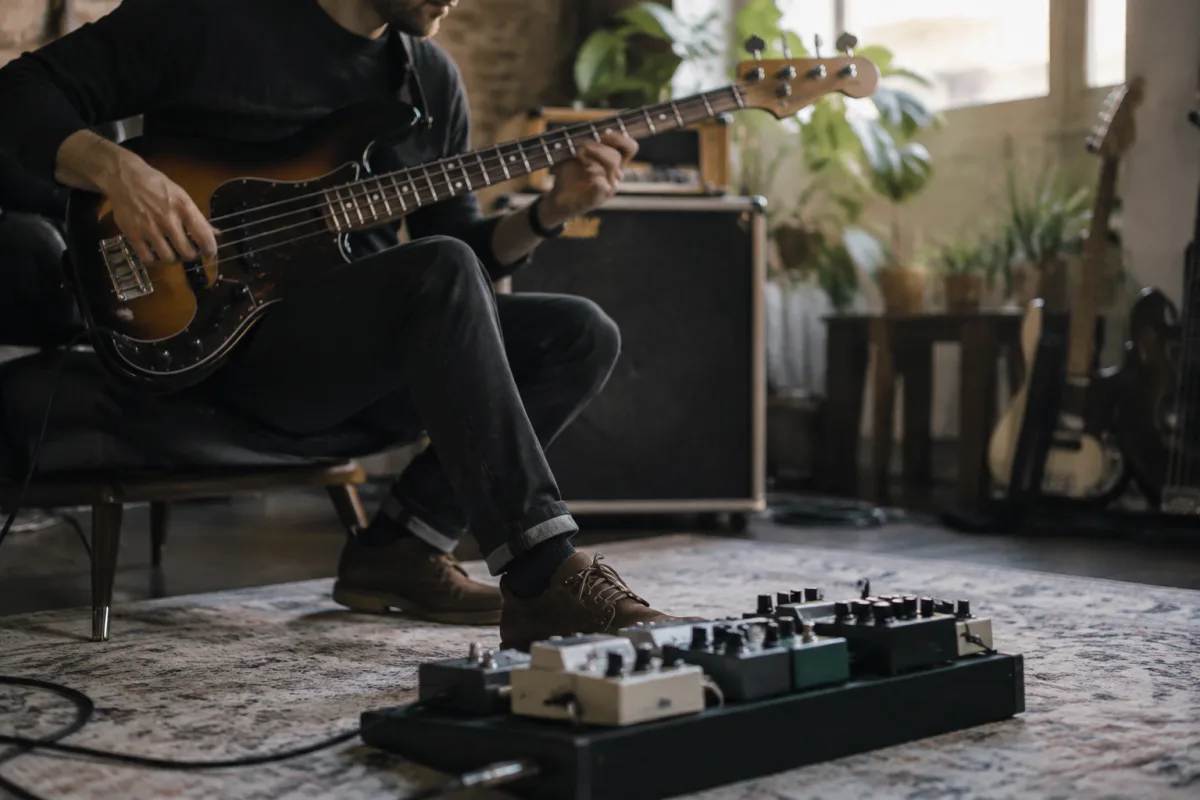
A bass guitar preamp pedal is a compact tone-shaping tool that sits at the front of your signal chain, fundamentally altering how your bass sounds and feels to play. Whether you're seeking a subtle warmth enhancement, aggressive overdrive, or complete tone transformation, choosing the right bass guitar preamp pedal can unlock new creative possibilities from your instrument. This buying guide walks you through the critical specifications, tone characteristics, and purchasing considerations that separate genuine bass guitar preamp pedals from compromised alternatives, helping you invest in a pedal that serves your playing for years.
Understanding Bass Guitar Preamp Pedal Types
Bass guitar preamp pedals aren't one-size-fits-all. Knowing the categories helps you narrow your choices.
Tone Shaping Preamps
These bass guitar preamp pedals focus on EQ and frequency response. They include parametric or semi-parametric EQ sections allowing precise sculpting of bass, midrange, and treble. A tone-shaping bass guitar preamp pedal excels at warming up thin tones or tightening boomy low-end. These are often transparent in operation—the best bass guitar preamp pedal in this category adds colour without obvious colouration.
Overdrive and Distortion Preamps
A bass guitar preamp pedal with overdrive or distortion capability adds grit and aggression to your tone. Tube-simulated options (like Tech21 SansAmp) approximate tube amp breakup in a compact format. These bass guitar preamp pedals excel in rock, punk, or progressive contexts where aggression matters. Responsiveness to your playing dynamics is crucial—a bass guitar preamp pedal with good response lets you go from clean to mean depending on how hard you dig in.
Multi-Function Preamps
Premium bass guitar preamp pedals combine EQ, compression, overdrive, and effects into one compact package. These all-in-one bass guitar preamp pedals are ideal for players who want tone flexibility without cramping their pedalboard. However, they demand learning curve and may feel overwhelming initially.
Amp Modeller Preamps
Digital bass guitar preamp pedals simulate various tube and solid-state amp tones. These bass guitar preamp pedals are incredibly versatile—think of it as carrying multiple bass guitar preamp pedals plus amp heads in one unit. Entry costs are higher, but versatility often justifies the investment for touring musicians.
Critical Specifications for Bass Guitar Preamp Pedals
Beyond type, these specifications determine whether a bass guitar preamp pedal suits your needs.
EQ Section
Most bass guitar preamp pedals include at least three-band EQ (bass, mid, treble). Better options offer four or five-band parametric EQ, allowing precise frequency shaping. If you care about tone sculpting, prioritise this specification on your bass guitar preamp pedal. A basic EQ on a cheap bass guitar preamp pedal often feels useless; premium options genuinely transform tone.
Headroom and Signal Path
A quality bass guitar preamp pedal maintains signal integrity through the effects chain. Look for low noise floor (especially important for four-string bass tones); high headroom (so loud bass notes don't distort the preamp circuitry); and transparent bypass (so the bass guitar preamp pedal completely removes itself from the signal when off). Budget bass guitar preamp pedals sometimes colour your tone even when bypassed—this is a red flag.
Output Options
Consider whether your bass guitar preamp pedal needs multiple outputs (main out, secondary effects send, XLR direct to mixer). Some scenarios demand XLR output for direct-to-console connections; others use 1/4" jack only. Confirm output flexibility matches your venue and recording setup before buying a bass guitar preamp pedal.
Footswitch and Expression Control
Does your bass guitar preamp pedal include expression pedal support or volume control via footswitch? These features add real-time tone and level control without bending down to adjust knobs. For gigging musicians, responsive footswitch control on a bass guitar preamp pedal becomes essential.
Power Requirements
Some premium bass guitar preamp pedals demand significant power draw. Confirm your power supply can handle your bass guitar preamp pedal plus any other pedals. Underpowered bass guitar preamp pedals sometimes behave erratically or sound unstable.
Critical Factors When Buying a Bass Guitar Preamp Pedal
Beyond specifications, these hands-on considerations drive satisfaction with your bass guitar preamp pedal purchase.
Tone Character and Responsiveness
Plug your bass into multiple bass guitar preamp pedal options at a music shop (if possible) and play through them directly into a bass amplifier. Listen to how each bass guitar preamp pedal responds to your playing dynamics. Does it clean up when you touch lightly? Does it push when you dig in hard? Responsiveness reveals whether the bass guitar preamp pedal suits your technique.
Ease of Use
A bass guitar preamp pedal with confusing menu navigation or unclear labelling frustrates you during gigs. Test user-friendliness before committing. Can you quickly adjust the primary tone parameters? Can you recall saved settings reliably? A bass guitar preamp pedal that feels intuitive encourages creative exploration; a confusing one gathers dust.
Build Quality and Durability
Examine construction on your bass guitar preamp pedal candidate. Does it feel solid underfoot? Are knobs and switches responsive without sloppiness? Does the casing withstand stage abuse? A quality bass guitar preamp pedal justifies its cost through years of reliable service; a cheap alternative might fail mid-tour.
Noise Floor and Signal Quality
A quiet bass guitar preamp pedal preserves your bass tone; a noisy one introduces hum or hiss. Play at low volume through your bass guitar preamp pedal candidate, listening carefully. Can you hear undesired noise? This matters more than you'd think—bass frequencies expose noise clearly, unlike guitar.
Common Pitfalls When Buying a Bass Guitar Preamp Pedal
Avoid these mistakes to ensure satisfaction with your bass guitar preamp pedal investment:
- Buying solely on looks or brand hype: A cool-looking bass guitar preamp pedal might sound terrible. Audition multiple options before committing. Your tone matters more than pedal aesthetics.
- Confusing preamp with overdrive pedal: An overdrive pedal adds distortion only. A bass guitar preamp pedal offers EQ and tone shaping as primary functions. Ensure you're buying what you actually need.
- Underestimating power supply requirements: A bass guitar preamp pedal with multiple DSP functions demands 500mA or more. Pairing it with an underpowered supply causes instability. Confirm power compatibility before finalising your purchase.
- Overlooking XLR/direct output capability: If you ever play smaller venues or record direct-to-mixer, XLR out on your bass guitar preamp pedal becomes valuable. Don't dismiss this feature—it enables direct DI recording that enhances workflow.
- Ignoring the bypass quality: A bass guitar preamp pedal with noisy bypass colours your tone even when supposedly off. Premium options offer silent or true bypass; budget alternatives often fail here.
- Buying without considering your amplifier: A bass guitar preamp pedal behaves differently through different amps. Try it with your actual amp setup if possible. What works through a venue's house amp might disappoint through your personal gear.
Price Tiers and Value for Bass Guitar Preamp Pedals
Bass guitar preamp pedal pricing reflects features, build quality, and sonic character.
Budget (£60–150)
Entry-level bass guitar preamp pedals offer basic tone shaping without advanced features. These work for beginners testing whether preamp pedals fit their workflow, but they often lack the responsiveness and signal quality that make preamps genuinely valuable.
Mid-Range (£150–400)
This tier represents excellent value. Mid-range bass guitar preamp pedals deliver solid construction, responsive EQ, low noise floor, and real tone-shaping capability. Many touring professionals settle here—the cost-to-benefit ratio rarely improves beyond this range.
Premium (£400–700)
High-end bass guitar preamp pedals feature sophisticated EQ, multiple output options, dedicated expression controls, and meticulous signal path design. These suit professional contexts where tone consistency and signal integrity non-negotiable.
Professional (£700+)
Ultra-premium bass guitar preamp pedals offer complete amp modelling, extensive effects, dual channels, and studio-grade circuitry. These justify high costs through unmatched versatility and sonic capability for touring and studio work.
Making Your Bass Guitar Preamp Pedal Decision
Start by clarifying your primary goal: tone colouration, overdrive capability, or comprehensive amp simulation. Then research bass guitar preamp pedal options at your price point. Audition multiple models through your own amp if possible. Pay attention to noise floor, responsiveness, and ease of use—these factors determine daily satisfaction with your bass guitar preamp pedal. For deeper information about specific models and applications, explore the complete guide to bass guitar preamp pedals.
A well-chosen bass guitar preamp pedal becomes a cornerstone of your tone for years of performing and recording. Invest time in selection, and you'll reap rewards through countless gigs and studio sessions to come.


Comments