


Bass Guitar Headless article
Bass Guitar Headless for Beginners: A Complete Guide
A headless bass guitar is lighter and more portable than traditional designs, making it an excellent choice for beginners. Learn why this modern approach works and how to get started.
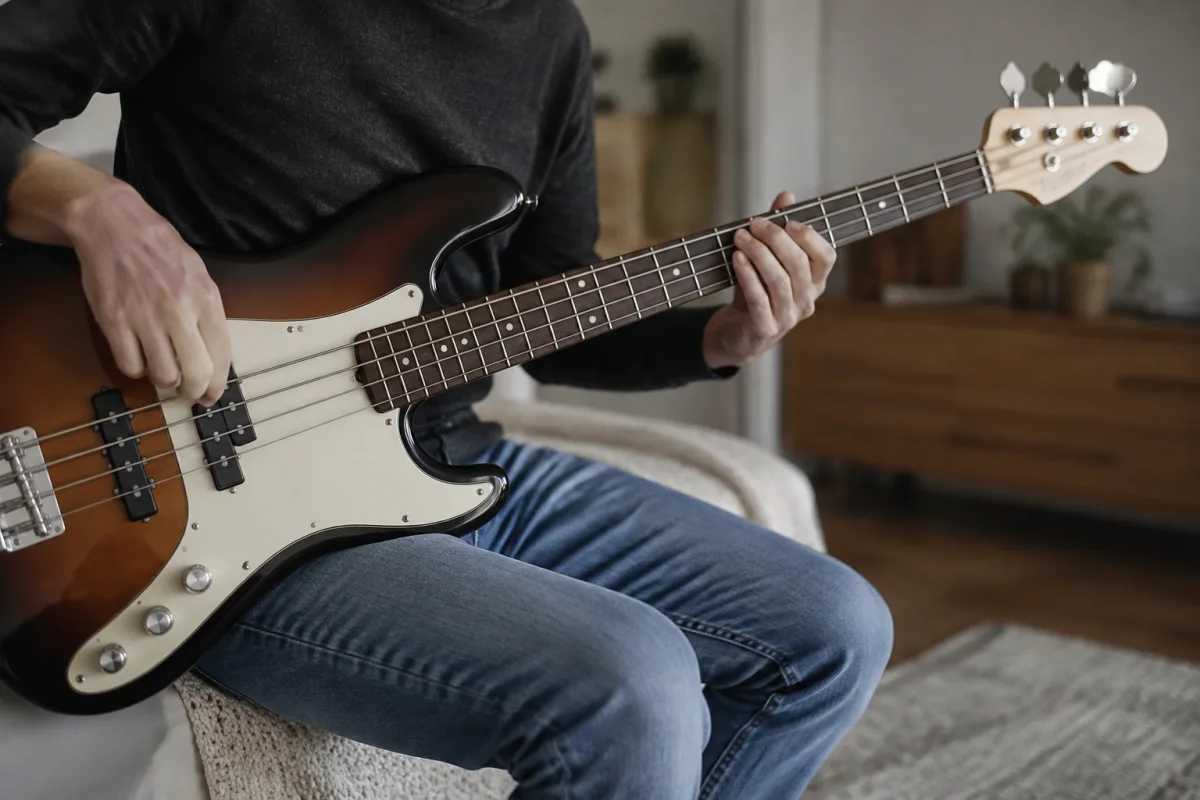
The idea of a headless bass might sound unusual at first, but these compact, modern instruments are an excellent choice for beginner bassists. They're lighter, more portable, and surprisingly comfortable to play. This guide walks you through the basics, shows you why such a design makes sense for learning, and addresses the concerns new players often have. For a deeper understanding of how headless designs work and their history, check our complete guide to bass guitar headless models, but here we're focused on getting you confident with this unconventional choice.
What Makes This Design Different?
A headless bass eliminates the traditional head (the extended part at the top of the neck where tuning pegs sit). Instead, tuning is done at the bridge, at the opposite end of the body. This makes the instrument shorter and more compact without losing string length or playability.
The benefit for beginners is immediate: this design is significantly lighter and more balanced. You can play standing for longer without your arm tiring, and the overall size is more manageable if you're still building finger strength and co-ordination. The shorter overall length also makes transport easier — perfect if you're taking lessons or jamming at friends' houses.
Why Beginners Should Seriously Consider This Approach
When you're starting out, comfort matters as much as sound quality. This design offers several advantages specifically for new players:
- Lighter weight: Less mass to hold means less arm fatigue during practice, so you can play longer and focus on learning instead of struggling with exhaustion.
- Better balance: Without a heavy head at the top, the instrument's weight distributes more evenly. This makes holding it while standing feel more natural and less tiring.
- More compact: A bass guitar headless is perfect for small practice spaces, student accommodation, or any situation where space is tight. It's easier to store and move around.
- Less neck strain: The shorter overall length reduces stress on your fretting hand's wrist and arm. This is especially helpful when you're building up strength and avoiding injury is crucial.
- Modern appeal: Learning on something contemporary feels less intimidating to many beginners. The headless design looks sleek and catches your interest in a way that encourages practice.
Understanding Tuning on This Design
The only significant practical difference for beginners is how you tune this style of instrument. Instead of turning pegs at the head, you turn tuning screws or knobs at the bridge, near the body's edge. The process is identical in principle — you're still adjusting string tension to match the desired pitch.
Most beginners find bridge tuning slightly easier to learn because the controls are right in front of you at the body, rather than reaching up to the head. It takes about 10 minutes to get used to, and then it becomes second nature. Some players even prefer it because there's less risk of accidentally knocking tuning pegs out of adjustment.
Beginner-Friendly Options
When you're choosing your first instrument of this type, look for models with a good reputation for quality at entry-level prices. Brands like Ibanez, Kiesel, and Eastwood offer these designs specifically marketed to beginners. Budget options start around £200–400, with mid-range models at £400–800.
Key things to check: Does your bass guitar headless feel balanced and comfortable in your hands? Is the neck smooth and free of rough spots? Can you reach all the frets without stretching uncomfortably? These matter far more than brand names or fancy finishes when you're learning.
Common Beginner Concerns
If you're hesitant about this design, these are the worries that come up repeatedly — and the honest answers:
- "Will it sound different from a 'normal' bass?" Not significantly. This type of instrument sounds like any other electric bass. The headless design affects portability and comfort, not tone quality. Your amp and playing technique matter far more than body shape.
- "Is tuning harder on this design?" No, just different. After a few days of practice, bridge tuning becomes automatic. Many players find it easier because the tuning controls are more accessible.
- "Will other musicians judge me for playing a headless bass?" Very unlikely. Such designs are mainstream now, used by professionals in every genre from jazz to metal. Most people won't even notice, and those who do will respect your choice.
- "Is this type of instrument less sturdy than traditional designs?" Not at all. In fact, the simpler design sometimes means fewer potential failure points. Quality instruments of this type are just as durable as traditional ones.
- "Will I regret buying this design later?" If you like it now, you'll likely keep liking it. Instruments of this type hold their value well on the second-hand market, so reselling is easy if you ever change your mind.
Making the Transition Smooth
Your first week with this type of instrument will feel slightly unusual simply because it's unfamiliar. The neck might feel shorter when you first pick it up, and bridge tuning might seem awkward. But this passes quickly.
Spend the first few sessions just holding the bass, plucking open strings, and getting used to the weight and balance. Adjust the strap height until it sits comfortably whether you're sitting or standing. Try tuning several times so bridge tuning becomes automatic. Within a week, you won't even think about the unconventional design anymore — you'll just be focused on learning to play.
Accessories You'll Want
Your bass guitar headless doesn't require special accessories, but a few items make practice more comfortable:
- Proper strap: A comfortable, well-padded strap is more important on a headless bass because you'll be holding it differently than a traditional bass. Invest in something that feels good.
- Case or gig bag: The compact size means even basic cases offer excellent protection. A padded gig bag is ideal for transport.
- Tuner: A chromatic or bass-specific tuner helps you get used to bridge tuning accurately. A pedal tuner is perfect.
- Cleaning cloth and lemon oil: Headless basses look sleek and modern, so keeping them clean maintains that appeal.
Taking the Plunge
If this design appeals to you — whether for its practical advantages, modern aesthetic, or just because it catches your eye — don't let unconventional design hold you back. This instrument is just as valid a starting point as any traditional bass. You'll be learning from day one, building the same skills, and enjoying the added comfort and portability.
The best bass to learn on is one you actually want to pick up and play. If this design makes you excited to practice, it's the right choice for you.


Comments