


Bass Guitar Fuzz Pedal Buying guide
Bass Guitar Fuzz Pedal: A Complete Buyer's Guide
Complete buyer's guide to bass guitar fuzz pedals. Learn why bass fuzz differs, evaluate circuit types, test properly, and find the right pedal.
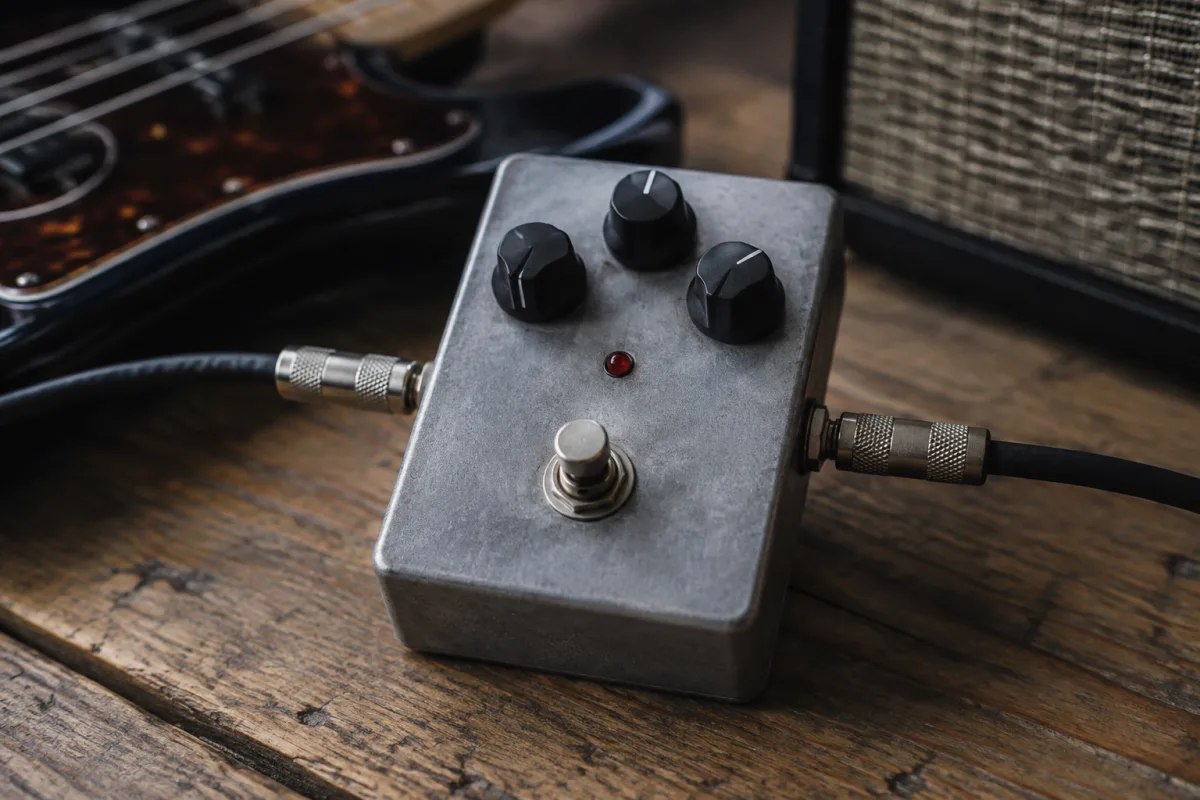
Bass players often approach fuzz with hesitation. There's a persistent myth that fuzz pedals destroy bass tone, muddying the low-end and making things unintelligible. That's half-true. Bad fuzz applied carelessly can wreck bass tone. But an appropriate fuzz pedal chosen deliberately can add aggression, thickness, and character that transforms a bass from functional to commanding. This guide shows you how to choose a fuzz pedal that actually works for bass, not against it.
Why Bass Fuzz Is Different From Guitar Fuzz
Guitar fuzz and bass fuzz aren't interchangeable, though many bassists use guitar pedals successfully. Here's why the difference matters:
Low-end preservation: Bass fuzz must maintain low frequencies. Poor guitar fuzz often loses bottom-end, which is disaster for bass. Quality bass fuzz shapes the fuzz circuit to preserve sub-frequencies while adding aggression in the mids and highs.
Headroom requirements: Bass signals hit harder than guitar signals. A fuzz pedal designed only for guitar might compress, distort, or perform unpredictably with bass input. Bass-specific fuzz handles robust bass signals without falling apart.
Frequency response: Bass fuzz circuits are designed with broader frequency response, letting them colour the entire bass spectrum rather than just upper mids. This matters for punch and definition.
Blend control: Many bass fuzz pedals include a mix or blend knob, letting you layer fuzzed tone with clean bass. This is essential—pure 100% fuzz muddles things. A 70/30 blend of clean to fuzz often sounds perfect.
Understanding Bass Fuzz Types
Different fuzz circuits produce different characteristics. Understanding these helps you choose:
Fuzz Face Style: Aggressive, gate-like character. Cuts cleanly but can sound thin if not careful. Suits rock and punk bass. Typically £80-£200.
Big Muff Style: Thick, sustained fuzz with preserved low-end. Forgiving and musical. Excellent for metal, alternative, and experimental bass. Standard option: £100-£250.
Octave Fuzz: Adds octave shift to the fuzz, creating sub-bass rumble. Suits experimental players seeking texture and depth. Typically £150-£350.
Germanium Fuzz: Warm, vintage character. Responds beautifully to picking dynamics. Premium pricing due to component cost. Usually £200-£400+.
Silicon Fuzz: Cleaner, more aggressive. Consistent and predictable. Budget-friendly and reliable. £80-£200 typically.
For comparison and detailed recommendations, see our complete guide to bass guitar fuzz pedals.
Critical Specs and Controls to Evaluate
When examining a bass fuzz pedal, these specifications matter:
Tone stack: Look for treble and bass controls separate from volume and fuzz intensity. This lets you shape the fuzz character. Pedals with only fuzz/volume controls are limiting.
Blend or mix control: Essential for bass. This control lets you mix clean and fuzzed signals. Pedals without blend are harder to use musically because 100% fuzz often sounds muddy.
Gate function: Some fuzz pedals include a noise gate that cuts signal when you're not playing. Useful because fuzz is naturally noisy. Look for gates you can disable if unwanted.
Input/output impedance: Bass impedance is different from guitar. Pedals designed for bass impedance (1M input ohms typically) respond better to bass than generic fuzz.
Power requirements: Most fuzz runs on 9V batteries or USB power. Verify power compatibility with your pedalboard.
Price Tiers and What They Indicate
- Under £100: Budget fuzz. Often guitar-centric, not bass-optimised. Can work but requires careful use and shaping. Try before committing.
- £100-£200: Quality range. Purpose-built bass fuzz options here. Good tone and usability. Smart starting point for most bassists.
- £200-£350: Premium bass fuzz. Unique tones, refined controls, specialized designs (octave, germanium). Investment-grade for serious players.
- Above £350: Boutique pedals. Handmade, custom options, rare components. Only justified for specific tone dreams or professional requirements.
Testing a Bass Fuzz Pedal: What to Listen For
When demoing a fuzz pedal, follow this evaluation:
Test with your bass through a proper amp. Don't judge fuzz through headphones or a shop's amp that isn't yours. Bass tone is subjective and setup-dependent.
Play simple, open notes first. Hear how the fuzz colours individual pitches. Does it preserve definition? Destroy it? Enhance it?
Play bass lines. Moving between notes reveals whether fuzz stays articulate or becomes mud. Good fuzz maintains articulation even at high fuzz settings.
Use the blend knob progressively. Start 30% fuzz, then increase. Find where it sounds right to your ear. This is personal—there's no objectively "correct" setting.
Test the controls. Adjust tone stack, fuzz intensity, and blend while playing. Responsive controls that clearly affect tone are better than pedals where tweaks feel pointless.
Listen for noise. All fuzz is noisy. That's character. Excessive hiss or hum that ruins playability is a defect. Mild buzz or slight hiss is expected and often loved.
New vs. Used Fuzz Pedals
A new £150 bass fuzz is guaranteed to work. A used fuzz from 10 years ago might have failing capacitors or component drift. However, vintage fuzz pedals often sound superior to newer ones.
Choose new if: You want guaranteed function and warranty. New pedals are reliable and usually sound refined.
Choose used if: You're buying from a player who actually used the pedal (not a collector). Used pedals owned by working musicians are often better broken-in. Verify the pedal powers on and sounds consistent.
Avoid: Used pedals from unknown sellers. Dead LEDs, intermittent sound, or crackling audio suggest internal failure. Ask the seller for a demo video or take a risk.
Common Beginner Mistakes in Bass Fuzz Selection
- Using guitar fuzz without testing on bass first: Many guitar fuzz pedals sound thin on bass. Test before assuming any fuzz works for bass.
- Using maximum fuzz all the time: 100% fuzz settings muddy bass. Keep fuzz at 50-70% for articulate tone. Use blend control to layer clean and fuzz.
- Skipping tone stack adjustment: Raw fuzz might sound harsh. Rolling off treble and boosting bass often reveals the pedal's best tone.
- Testing through inappropriate gear: Tiny practice amps reveal nothing about how fuzz behaves through your gigging amp. Test with your actual setup when possible.
- Buying boutique fuzz before understanding fuzz basics: Start with budget-friendly options like a Big Muff clone. Understand fuzz character before investing in specialty pedals.
Making Fuzz Integrate Into Your Tone
Fuzz works best when used deliberately, not constantly. A technique many professionals employ: use a footswitch to bypass fuzz during verses, engage it for choruses or specific sections. This adds dynamics without abandoning clarity entirely.
Another approach: set your fuzz to add only colour, not total transformation. A blend at 40% fuzz + 60% clean preserves articulation while adding aggression. This subtlety is often more powerful than full fuzz.
Your Bass Fuzz Decision
A quality bass fuzz pedal isn't ruining your tone—it's expanding your palette. The right pedal, chosen deliberately and used thoughtfully, adds dimension that transforms bass from functional to expressive.
Start with purpose-built bass fuzz (not generic guitar pedals), choose something with blend control, and test thoroughly before committing. Once you find the right fuzz, you'll wonder how you ever played without it.


Comments