


Laney Bass Amp article
Laney Bass Amp for Beginners: A Complete Guide
A Laney bass amp is built for working musicians and beginner-friendly. Here's everything you need to know to plug in and start playing confidently.
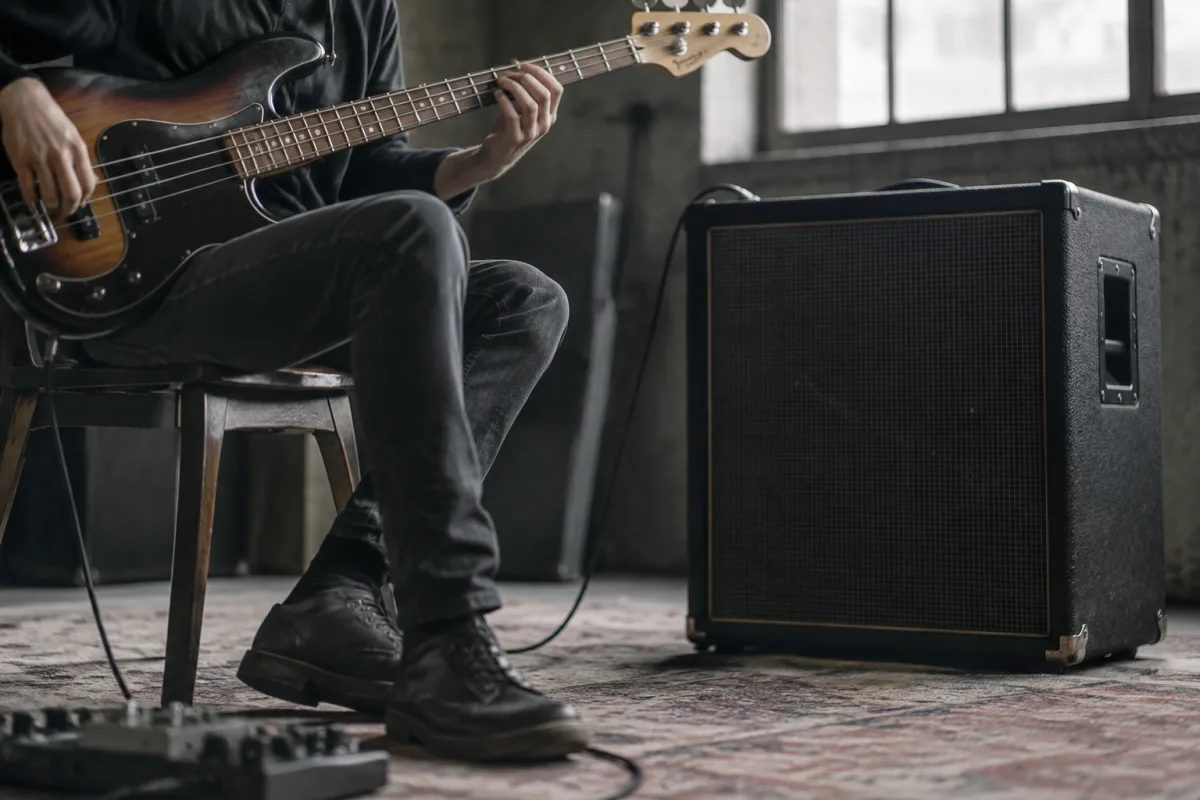
If you've just bought your first bass guitar, you quickly realise you need an amplifier. A Laney bass amp is a smart choice for beginners—the company has decades of experience building gear for working musicians, and their bass amps are known for being reliable, punchy, and surprisingly affordable. But walking into a music shop and staring at a Laney bass amp (or any bass amp) can feel overwhelming. This guide cuts through the specs and jargon and walks you through exactly what matters when you're choosing your first bass amplifier.
Why a Laney Bass Amp Is a Beginner-Friendly Choice
Laney is a British manufacturer with roots in building amplifiers for touring musicians. Their reputation: solid construction, predictable tone, and excellent value for money. A Laney bass amp doesn't cost as much as premium brands, but it sounds genuinely professional and survives years of gigging and rehearsals. For a beginner, that's the sweet spot. You're getting reliability without the premium price tag.
Laney bass amps come in various wattages and configurations, but the engineering philosophy is consistent: prioritise clarity (so your note articulation cuts through), headroom (so clean tone isn't compressed and distorted), and durability. That last point matters for beginners because you'll inevitably drop the amp, spill something near it, and pack it roughly. A Laney bass amp will shrug off the abuse.
Understanding Bass Amp Basics
Before diving into Laney specifically, here's what every bass amp does:
The Amplifier Head (or "Combo")
A bass amplifier takes the tiny signal from your bass guitar (which you plug in with an XLR or 1/4" cable), boosts it massively, and sends it to a speaker. That's it. The amplifier head contains the electronics and controls. A combo amp combines the head and speaker into one box. A head + cabinet setup separates them (head on top, cabinet below). For beginners, a combo is simpler.
Wattage
Measured in watts, wattage is how loudly the amplifier can go. For bass, you need more wattage than for guitar because bass frequencies demand more power to stay clean. A 50-watt Laney bass amp works for small rehearsals and practise spaces. A 100-watt amp handles most venues. Above 200 watts is genuinely loud and probably overkill for a beginner.
Speaker Size
Bass speakers come in 10", 12", 15", and occasionally larger sizes. Larger speakers move more air and can handle low frequencies better, but they're heavier. A 15" speaker in a combo amp is the practical sweet spot for beginners: it reproduces bass well, sounds punchy, and isn't backbreaking to carry.
Controls (EQ, Gain, Level)
Most bass amps have: input gain (how hard you push the signal into the amplifier), a three-band or five-band EQ (controls for bass, midrange, treble frequencies), and master output level (overall volume). Don't panic about these controls. The defaults usually sound good. Learn them gradually as you become more comfortable.
Wattage Guide for Your First Bass Amp
Choosing wattage is simpler than you think:
- 25–50 watts: bedroom practise, small coffee shop practise spaces, very quiet rehearsal rooms. Adequate for learning but underpowered if a drummer is in the same room.
- 75–100 watts: rehearsal studios with a full band, small clubs, semi-pro gigging. The practical middle ground for most beginners.
- 150+ watts: large venues, outdoor gigs, touring. Overkill for a beginner unless you're joining an established gigging band immediately.
Most beginners gravitate toward 50–75 watts. It's loud enough for band rehearsals, sits comfortably in small venues, and doesn't cost a fortune. A Laney bass amp in that range (like their popular CUB series) is genuinely perfect for learning.
Combo Versus Head + Cabinet
A combo amp (amp and speaker in one box) is simpler and takes up less space. A head + cabinet separates the amplifier from the speaker. Here's the trade-off:
Combo pros: one item to carry, smaller footprint, cheaper, perfect for band rehearsals and small gigs. Cons: if the speaker fails, you're stuck with an expensive repair; less flexible if you want to upgrade later.
Head + Cabinet pros: if the cabinet fails, you replace just the cabinet (cheaper); you can swap cabinets later to adjust tone or power. Cons: two items to carry, setup takes longer, more expensive upfront.
For a beginner, a combo is the move. It's straightforward, affordable, and perfectly capable for learning and small gigs.
Your First Session: Setting Up a Laney Bass Amp
Step 1: Unpack and Familiarise
Unpack your Laney bass amp and locate the main controls: input jack (1/4"), gain knob, EQ knobs, and master volume. Read the back panel or manual briefly—just enough to know what you're looking at.
Step 2: Plug In Your Bass
Plug your bass guitar into the input jack with an appropriate cable (any 1/4" instrument cable works). This is straightforward—there's no mystery here.
Step 3: Set Levels Conservatively
Turn the gain knob to 12 o'clock (middle position). Turn the master volume to 25% (low). Now play your bass. You should hear sound. If it sounds thin or quiet, turn up the master volume gradually until it sounds good. Don't crank gain and volume immediately—that's how you blow speakers.
Step 4: Explore the EQ
Most Laney bass amps have bass, midrange, and treble knobs (or sliders). Leave them at 12 o'clock (neutral) for now. Play some notes and listen to the tone. Then, slowly turn the bass knob up—notice how the low-end thickens. Turn it down and notice how the tone becomes tighter. Do the same with treble. Midrange controls presence and punch. Experiment with small adjustments and listen.
Step 5: Settling In
Once you've found a tone you like, write it down (or remember it). That's your "practice tone." Return to it each time you plug in so you develop consistency. After a week, you'll stop thinking about knobs and just play.
Common Beginner Mistakes with Bass Amps
Mistake 1: Maxing out the gain. Gain is not volume. High gain doesn't make you louder; it pushes more signal into the amplifier and causes distortion or clipping. Keep gain at 12 o'clock and control volume with the master level.
Mistake 2: Assuming all bass amps sound the same. They don't. A Laney bass amp has a voice (warm, punchy, clear), and other brands sound different. Once you're comfortable, you might prefer a different brand. That's fine—but for a beginner, a Laney is a great starting point.
Mistake 3: Playing too loudly during practise. Your neighbours hate you. More importantly, you won't develop control if you're always cranked. Most learning happens at moderate volume where you can hear the subtleties of your playing.
Mistake 4: Ignoring the EQ. Don't be scared of the knobs. Bass EQ is forgiving. You can't break anything by turning a knob. Experiment freely—you're learning how your instrument responds to tone shaping.
Mistake 5: Leaving your amp turned on when you leave. It's a minor thing, but turning off your Laney bass amp when you're done extends its life. Tubes and electronics wear faster if left running.
Maintenance and Long-Term Care
A Laney bass amp requires minimal fussing. Keep it in a cool, dry place. Dust it occasionally. Check the cables and connections monthly—vibration can loosen connections over time. If you're using the amp regularly (band rehearsals, gigging), have a technician give it a quick check-up every 2–3 years. Most Laney amps last decades with minimal maintenance.
Expanding Your Setup Later
Once you're confident with your Laney bass amp, you might add: a second cabinet (if you've got a head) for more volume, pedals (compressor, overdrive, envelope filter) for tone shaping, or a nicer bass guitar to go through it. But for now, focus on learning your amp and developing your playing through it.
If you want detailed technical information about different Laney bass amp models, advanced EQ techniques, combining a Laney with pedals, or a comparison with competing brands, the complete guide to Laney bass amp covers all that ground in depth. For now, get comfortable with your amp, set a basic tone, and focus on your playing. The amplifier is a tool to serve your music, not an obstacle to overcome.


Comments