


Laney Bass Amp Buying guide
Laney Bass Amp: A Complete Buyer's Guide
Buying a Laney bass amp requires understanding their philosophy and whether they suit your needs. This guide covers models, specs, quality, and what to evaluate.
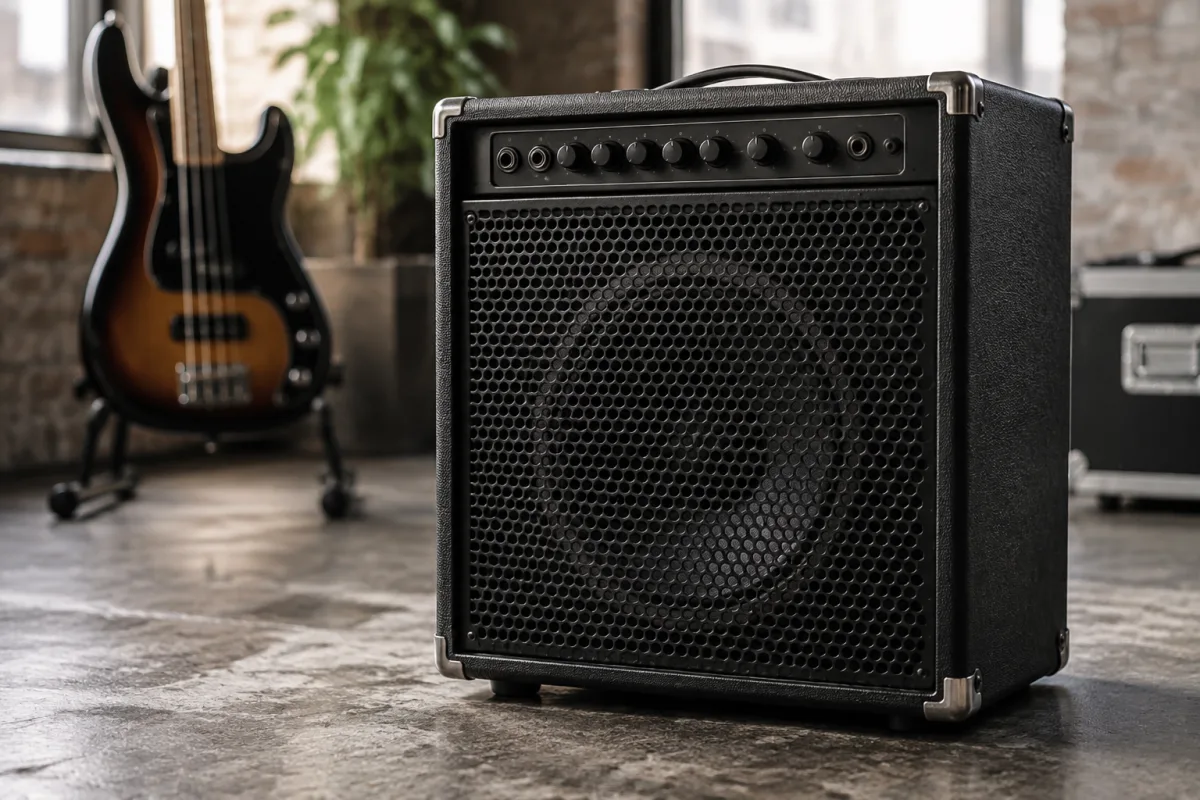
Buying a Laney bass amp requires understanding what this British manufacturer does well and where their strengths lie. Laney has built reputation in rock and heavy music amplification, yet their bass amp range is smaller than competitors like Ampeg or Hartke. This guide walks you through what Laney bass amp models offer, helping you decide whether their tone character and build quality justify the investment. You'll avoid expensive mistakes by understanding Laney's positioning in the bass amp market and recognising when alternative brands might serve your needs better.
Laney's Bass Amp Philosophy
Laney bass amps prioritise straightforward functionality and English build quality. Rather than chasing every feature, Laney bass amp designers focus on tone and reliability. The company's reputation rests on guitar amplification for professional touring musicians, and their bass amp line reflects that same engineering philosophy: keep it simple, build it tough, let it work.
Laney bass amp models tend toward classic clean tones with optional overdrive channels. They're not designed to deliver radical tone shaping like some modern digital bass amps. When buying a Laney bass amp, understand you're getting a no-nonsense tool that does one thing brilliantly: amplify your bass without coloration or gimmickry.
Laney Bass Amp Model Range
Laney's bass amp selection is deliberately curated rather than comprehensive. Their current production typically includes combo amplifiers (speaker integrated) and head-plus-cabinet setups. The most recognisable Laney bass amp models in the professional market are the Richter series and various wattage options ranging from modest practice levels (15–20 watts) through touring power (300+ watts).
Model availability varies by region and changes over time. Secondary markets (used gear) often have discontinued Laney bass amp models at various price points. If you're seeking a specific model, used markets may be your only option. When buying a Laney bass amp, research current availability before committing to a particular model.
Laney bass amps come in different wattage options. Lower wattage (20–50 watts) suits rehearsal and studio. Mid-range (100–150 watts) handles small venues and most regular gigging. High-power (200+ watts) addresses large venues and outdoor festivals. When buying a Laney bass amp, wattage choice depends on your actual playing context.
Build Quality and Durability
Laney bass amps inherit the brand's reputation for robust construction. The cabinets use quality plywood (not particleboard), and internal components are properly soldered with genuine components. The speaker cones are quality items, not cheap alternatives that lose definition quickly. When buying a Laney bass amp, expect an instrument that survives years of gigging without catastrophic failure.
The amplifier heads contain quality transformers and circuit boards. Laney bass amp repairs are straightforward when needed—the designs are sensible, not over-complicated. This repairability matters long-term because it affects how inexpensively you can maintain the amp through years of use.
Road wear affects any bass amp, but Laney bass amp construction handles travel abuse well. The handles feel substantial, the casters roll smoothly, and the overall construction inspires confidence that your investment won't disintegrate during a tour.
Sound Character and Tone
Laney bass amps deliver clean, articulate tone that reveals your bass playing clearly. The designs emphasise frequency response and fidelity rather than excessive midrange scoop or aggressive colouration. This means Laney bass amps work best when your bass tone is already good—they amplify what's there rather than covering deficiencies.
The optional overdrive channels (available on many Laney bass amp models) add grit without loss of clarity. This is different from bass-specific distortion pedals—the internal overdrive is voiced as an amplifier effect, responding to the amp's entire tonal character. Many professionals prefer this approach because it feels integrated rather than bolted-on.
Compared to Ampeg's punchy warmth or Hartke's bright definition, Laney bass amp tone sits in the middle ground—balanced, professional, and immediately usable. You won't mistake it for other brands, but it won't sound alien either.
Specifications That Matter When Buying
Power output is your first consideration. When buying a Laney bass amp, understand that wattage claims are only part of the story. A 100-watt Laney bass amp sounds impressively loud—adequate for most venues. The topology (tube, solid-state, or hybrid) matters more than raw wattage for tone character. Laney bass amp models use solid-state amplification in most cases, which is reliable and straightforward.
Speaker quality is crucial. Many Laney bass amp combos use respected speaker manufacturers (Celestion, Eminence). When buying a Laney bass amp combo, the speaker choice contributes significantly to final tone. Heads paired with third-party cabinets give you control over speaker selection.
Input impedance and output configuration matter for compatibility with your bass and effects chain. Check the specifications before buying a Laney bass amp—you want impedance compatible with your equipment.
Price Tiers for Laney Bass Amps
Entry-level Laney bass amps (practice combos, 20–50 watts) typically cost £200–400. These are genuinely functional for learning and casual play, though tone sophistication is modest. Good value for beginners.
Mid-range Laney bass amp options (100–150 watt combos or heads, £500–1200) represent the sweet spot for most working musicians. Build quality is excellent, tone is professional-grade, and features are sensible without overwhelming complexity. This tier dominates the used market and offers exceptional value.
Premium Laney bass amps (200+ watts, professional-grade heads and cabinets, £1200–2000+) target touring professionals. The premium reflects proven reliability under demanding conditions rather than gimmicky features. When buying a Laney bass amp at this level, you're investing in durability and professional reputation.
New vs Used Laney Bass Amps
Laney bass amps age beautifully. A used Laney bass amp from 10 years ago works and sounds identically to current production models. When buying used, you save 30–50% versus new whilst receiving an instrument proven durable by real-world use. This makes used Laney bass amps exceptional value in the secondary market.
Inspect used Laney bass amp condition carefully. Check speakers for damage, inspect the amplifier chassis for internal damage (look for burned components or loose transformers), and test all controls. Laney bass amps are repairable, but unexpected repairs factor into the true cost.
Buying new Laney bass amp models guarantees warranty and latest specifications. You pay full price but get peace of mind and immediate availability.
What to Check Before Buying
Test a Laney bass amp through your actual bass before committing. The interaction between your specific instrument and the amplifier matters profoundly. A bass that sounds thin through one amp might sound full through another. When buying a Laney bass amp, audition it with your equipment in a real-world setting.
For combo amplifiers, assess portability. Does the weight feel manageable? Do the handles feel comfortable? Is there a caster system or do you need to manually carry it? These practical considerations affect whether you'll actually use the Laney bass amp consistently or resent the physical burden.
Check the condition of speaker cones and cabinet integrity on used models. Blown speakers mean repair costs. Cabinet damage suggests possible internal structural issues. When buying a used Laney bass amp, external cosmetics matter less than functional integrity.
Test every control and input/output before buying. Crackling pots or noisy jacks indicate wear requiring service. Intermittent operation suggests deeper problems. A properly functioning Laney bass amp will power up, respond to controls smoothly, and produce clean signal.
Common Buying Mistakes
The first mistake is buying wattage you don't actually need. A 300-watt Laney bass amp is overkill for rehearsal and small venues, adds unnecessary weight, and costs significantly more. When buying a Laney bass amp, match power to your actual gigging context.
The second mistake is assuming all Laney bass amp models are identical. Tone, features, and build quality vary across their range. Research specific models before buying—don't assume newer is better or older means inferior.
The third mistake is overlooking cabinet quality when buying a head. A great-sounding Laney bass amp head paired with a poor cabinet reveals the cabinet's deficiencies. When buying a Laney bass amp head, invest equally in quality speaker cabinets.
The fourth mistake is ignoring maintenance history. When buying a used Laney bass amp, ask whether it's been regularly serviced. Amplifiers benefit from occasional maintenance (tube replacement for tube models, general inspection). A well-maintained Laney bass amp is worth premium prices; a neglected one might be cheap for reasons you'll discover painfully.
Integration Into Your Setup
Laney bass amps work best when your bass tone is already solid. Investing in a quality instrument and good bass-to-amplifier cable matters before buying an expensive Laney bass amp. If your bass itself sounds thin or harsh, no amplifier fixes that.
Effect placement matters. Most professionals put compression pedals after bass, before the amplifier's input. Distortion and modulation effects can go before or after depending on preference. When buying a Laney bass amp, understand how your effects chain will integrate.
Broader Context on Bass Amplification
For comprehensive information about bass amplifiers and alternatives to Laney, our complete guide to Laney bass amps explores the full range of options from competing manufacturers in greater depth.
Making Your Purchase Decision
Buying a Laney bass amp makes sense if you value straightforward design, English engineering, and proven reliability. They're not the flashiest or most feature-rich amplifiers, but they're excellent tools that work reliably. Test one with your bass in a realistic setting, and if the tone inspires you and the build feels solid, you've found an amplifier worth its cost.


Comments