


Ampeg B 15 article
Ampeg B 15 for Beginners: A Complete Guide
A beginner's guide to the Ampeg B-15 bass amplifier, covering setup, basic controls, tone development, and common mistakes to avoid.
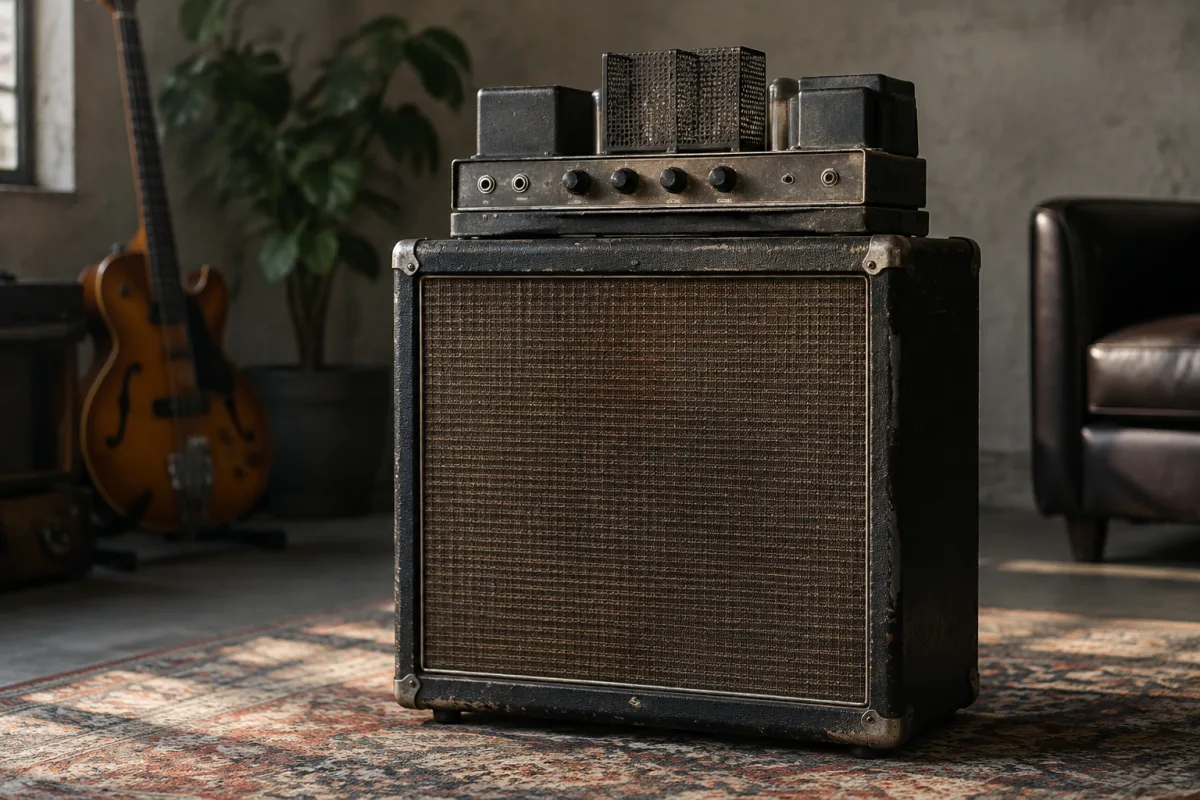
If you're a beginner bassist shopping for your first amplifier, the Ampeg B-15 has likely crossed your radar. This legendary amp carries decades of jazz and funk heritage, but first-time buyers often feel intimidated by its vintage reputation and seemingly complex features. This guide demystifies the Ampeg B-15 specifically for beginners, explaining what makes this amplifier special, how to operate it confidently, and whether it suits your needs at this stage of your musical journey.
Why Beginners Consider the Ampeg B-15
The Ampeg B-15 occupies a unique position in beginner bassist choices. Its compact size and relatively lightweight design make it portable—you can actually carry this amp to rehearsals without enlisting help. Compared to modern 200-watt monsters, the 50-watt B-15 produces sufficient volume for small venues, bedroom practice, and band rehearsals with acoustic instruments. Most importantly, the B-15's warm, punchy tone remains instantly recognisable across generations of recordings. If you admire the bass sounds on classic funk and jazz recordings, the B-15 likely produced those tones. Owning one connects you directly to that legacy—not a small thing when you're building motivation as a beginning musician.
Understanding the B-15's Basic Controls
The Ampeg B-15 features a deceptively simple control panel that confuses many beginners accustomed to modern amplifiers with parametric EQ and digital displays. Start here: the "Bass", "Mid", and "Treble" controls are your primary tone-shaping tools. Begin with all controls at centre position (12 o'clock) and adjust subtly from there. Turn Bass up slightly to thicken thin tone; increase Treble for brightness and articulation. The Mid control adds warmth or presence depending on your bass position within the band mix. The "Volume" control determines output level—never exceed three-quarters volume during practice to protect your hearing and the amplifier. The "Contour" switch (often a source of beginner confusion) colours the tone; experiment with both positions to develop preference.
Setting Up Your B-15 for Your First Practice
Physically setting up the B-15 requires minimal expertise. Connect your bass cable to the instrument input (the top jack on the rear panel). Use speaker cable, never instrument cable, to connect the amplifier output to the internal speaker. Position the amplifier so you can hear yourself clearly but avoid standing directly in front of the speaker cone—side positioning provides more balanced monitoring. Let the amplifier warm up for approximately five minutes before playing; vintage tube amplifiers require this warm-up period to reach stable operation. Your first practice session should focus on getting comfortable with basic controls rather than achieving perfect tone—that develops naturally over weeks of experimentation.
Tone Development for Beginners
Most beginners make the mistake of maximising every control to create impressive "tone" immediately. Resist this impulse. Great tone emerges gradually through thousands of hours of playing and listening. Begin with neutral settings (all controls centred). Over several practice sessions, adjust controls based on what you're learning: if your fingers sound too loud and distracting, reduce Bass and slightly increase Treble. If your playing sounds thin and wimpy, gradually increase Bass. Keep a notebook documenting control positions that work for different playing styles. This approach teaches you how amplifier controls translate your bass playing into final tone.
Avoiding Common B-15 Beginner Mistakes
Beginners working with the B-15 repeat several predictable errors. First, many play at maximum volume immediately, thinking louder automatically sounds better. The B-15 actually sounds fuller and more controlled at moderate levels; turn volume down and you'll hear improved definition. Second, many beginner bassists obsess over matching the exact tone from a recording they admire. Remember: the original bassist used different strings, bass guitar, playing technique, and room acoustics than your setup. Your tone will be yours—embrace that rather than chasing carbon copies. Third, beginners often ignore the amplifier's warm-up period or leave it running unattended for hours, reducing tube lifespan. Turn the amp on before playing, turn it off immediately after practice.
Maintenance and Long-Term Care
Vintage tube amplifiers require more attention than modern transistor designs, but nothing complicated. After each practice session, power down and allow 15-20 minutes for cooling before transporting. Avoid exposing the amplifier to extreme temperature changes that stress components. Periodically (roughly annually with regular use), have a qualified amplifier technician check tube condition and biasing. This preventative maintenance extends amplifier lifespan by years. When tubes eventually need replacement (typically after 10,000+ playing hours), the amplifier service becomes considerably more affordable than major repairs from neglect.
When to Upgrade Beyond the B-15
The Ampeg B-15 remains entirely appropriate for beginner and intermediate playing. Many professional bassists use B-15 amplifiers decades into their careers. Don't rush to upgrade simply because you've owned your amp for months. Upgrade when you outgrow the amplifier's specific limitations: if you're regularly playing large venues requiring more power, if the B-15's warm tone no longer suits your musical direction, or if you develop technical needs beyond this amplifier's capabilities. Most beginners haven't exhausted the B-15's musical potential after a full year of ownership.
Troubleshooting Your B-15
If your Ampeg B-15 suddenly sounds different—harsh, thin, or unresponsive—before assuming failure, troubleshoot systematically. Confirm your bass guitar is properly tuned and working (plug it into a different amplifier if available). Check all cable connections; loose connections often appear mysterious until discovered. Adjust tone controls back to centre position; previous control settings occasionally produce unexpected results. If problems persist, the amplifier likely needs professional service—don't attempt internal repairs without training.
Building Confidence with Your Amplifier
For additional comprehensive information about the Ampeg B-15 and other amplifier options, explore our complete guide to the Ampeg B-15, which covers technical specifications, historical context, and advanced maintenance techniques.
Operating any amplifier feels intimidating initially, then becomes second nature with repetition. Spend your first 2-4 weeks simply playing through your B-15, changing one control at a time and listening carefully to results. Document your discoveries. By week five, amplifier operation feels natural and controls respond intuitively. This confidence-building process matters more than achieving perfect tone immediately.
Conclusion
The Ampeg B-15 remains an excellent choice for beginning bassists seeking warm, classic tone in a portable package. The relatively simple control panel rewards patient experimentation rather than demanding technical mastery. Avoid maximising controls and chasing recording-perfect tones; instead develop your own voice through consistent playing. Respect the vintage tube amplifier by powering on before playing and off immediately after. Your B-15 will serve you faithfully through years of musical development, and thousands of professional bassists continue playing B-15 amplifiers after decades of ownership. Your beginner stage with the B-15 is just the first chapter of a longer musical relationship.


Comments