


Ampeg B 15 Buying guide
Ampeg B 15: A Complete Buyer's Guide
The Ampeg B-15 is legendary bass amplification with warm tube tone and portable form factor. This guide compares vintage originals vs modern reissues and helps you decide if B-15 suits your needs.
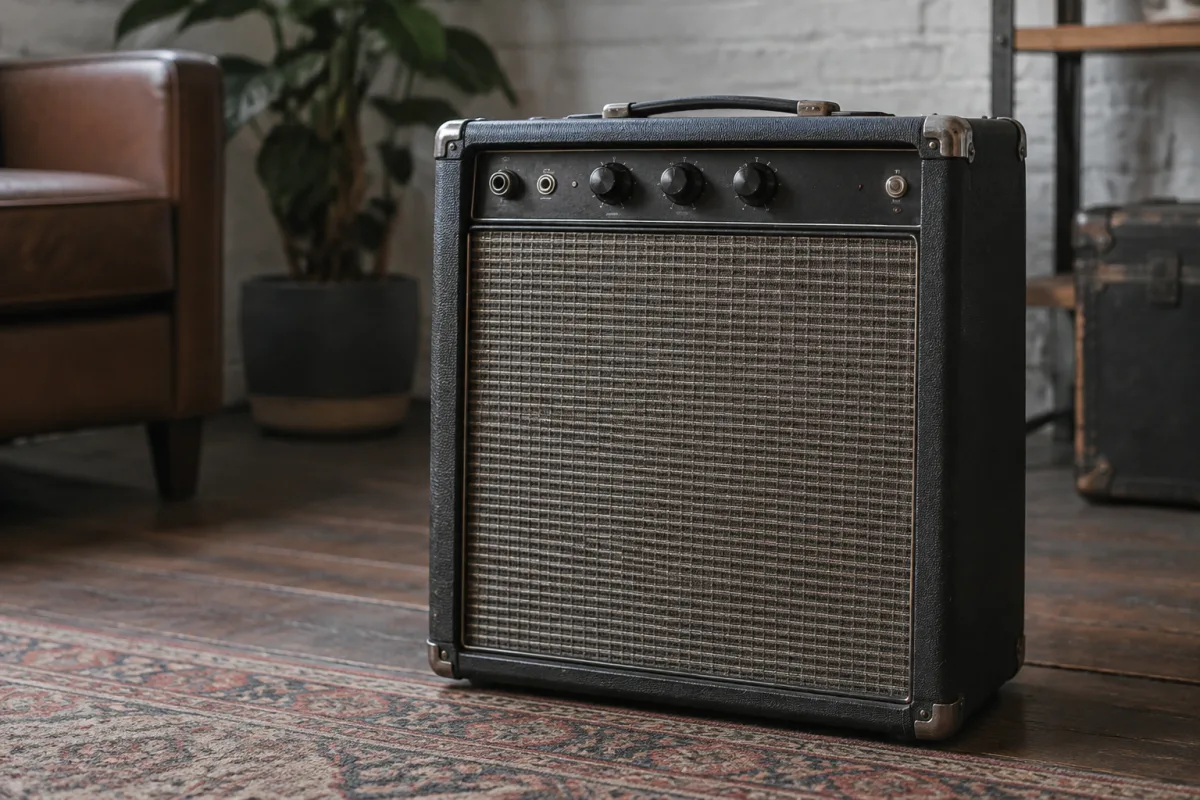
The Ampeg B-15 occupies legendary status in bass amplification, a tube amplifier first manufactured in 1960 and still revered for its tonal character and compact portability. Deciding whether to invest in a B-15—whether new reissue, vintage original, or modern derivative—requires understanding what justifies its premium positioning, how vintage models differ from modern reissues, and whether the investment aligns with your bass playing context and budget. This buying guide walks through B-15 variants and helps you understand what you're actually purchasing.
Historical Context: Why The B-15 Matters
The Ampeg B-15 revolutionised bass amplification by miniaturising tube amplifier technology into a portable combo package. Before the B-15, bass amplification meant enormous, heavy tube rigs. The B-15 demonstrated that compact combos could deliver professional tone, changing bass amplification design forever. This history matters when understanding pricing because B-15 values reflect genuine influence on instrument design and culture. You're not just buying tube amplifier; you're buying an instrument with documented historical importance. This context helps separate authentic value from marketing hype.
Tube Amplification and Tone Character
The B-15 uses tube circuitry, delivering tone character that modern solid-state or digital amplifiers struggle to replicate. Tubes compress and shape audio in ways players subjectively describe as "warm," "organic," or "musical." This tonal character is genuine, measured technically, not marketing mythology. However, tube tone preferences are subjective; some bassists absolutely prefer tube character, whilst others find solid-state alternatives perfectly adequate. Before committing tube amplifier budget, honestly assess whether you actually need tube tone or whether marketing has convinced you otherwise. Tube amplification demands ongoing maintenance (tube replacement, bias adjustment); solid-state alternatives require minimal maintenance.
New Ampeg B-15 Reissue Versus Vintage Originals
Ampeg currently manufactures B-15 reissues using modern construction techniques, costing 2000 to 2500 pounds. Vintage original B-15 models from the 1960s-1980s typically cost 1500 to 3000 pounds depending on condition, model year, and rarity. The primary differences: vintage originals have documented history and aesthetic appeal (worn tolex, aged components); reissues are new instruments with modern reliability and warranty support. Vintage purchases require technical inspection confirming reliability and absence of expensive repairs. Reissues offer predictable new equipment experience but cost premium pricing for the "Ampeg" name. Consider whether vintage character or modern reliability matters more for your actual needs.
Portability and Venue Context
The B-15's primary advantage is portability—15 watts, 1x15 speaker, roughly 30 kilograms. This compact footprint suits club gigs, studio sessions, and rehearsals where large amplifiers are impractical. However, 15 watts is genuinely low power; outdoor venues, large clubs, or festival stages require amplifier supplementation through house mixing. The B-15 excels as primary amplifier for controlled environments (clubs, studios, rehearsals); it's backup equipment for large venues. Understanding your typical venues determines whether B-15 power output suffices or whether you need supplementary amplification.
Price-to-Performance Across B-15 Options
| Option | Price Range | Best For | Key Characteristics |
|---|---|---|---|
| Modern Ampeg B-15 Reissue | 2000-2500 pounds | New equipment buyers; warranty priority; modern reliability | Modern construction, warranty support, consistent quality, no surprise repairs |
| Vintage B-15 (1960s-1980s) | 1500-3000 pounds | Tone enthusiasts; vintage aesthetics; documented history appeal | Character and history; potential repairs needed; requires technical inspection |
| Ampeg Micro B-15 (Solid-State Modern) | 600-800 pounds | Budget buyers; reliability priority; minimal maintenance | Lightweight, solid-state, low maintenance, but different tonal character than tube originals |
Condition Assessment for Vintage Purchases
Buying vintage B-15 models requires technical evaluation. Critical assessment points: tube biasing (correct bias ensures long tube life and proper tone; improper bias creates distortion and damages tubes); capacitor condition (electrolytic capacitors dry out over decades, requiring replacement); tolex condition (cosmetic only, but affects appearance); speaker condition (recone is expensive; original speakers sound better). Request seller documentation of recent servicing or have a qualified technician inspect vintage purchases before committing funds. A "bargain" vintage B-15 requiring 1000 pounds in repairs isn't economical compared to new reissues with warranty.
Maintenance and Tube Replacement Costs
Tube amplifiers require periodic tube replacement—typically every 2 to 3 years of regular playing. B-15 tubes cost 100 to 200 pounds per set. Additionally, tube amps benefit from periodic biasing checks (50 to 100 pounds) ensuring tubes operate optimally. These ongoing costs accumulate; budget 150 to 300 pounds yearly for tube maintenance. Understanding this commitment prevents surprise expenses. Solid-state alternatives require minimal maintenance beyond occasional cleaning.
Comparing Against Modern Bass Amplifier Alternatives
Modern tube amplifiers from Ampeg's own current range (Mini Bass Stack, Portaflex), boutique manufacturers (Aguilar, Mesa-Boogie), and solid-state alternatives (Markbass, Gallien-Krueger) offer different tone characters and features. The B-15's vintage character is specific; modern alternatives prioritise versatility and reliability. B-15 buyers typically value tone character and aesthetic/historical appeal; modern amplifier buyers prioritise features and maintenance-free reliability. Neither is objectively superior; they serve different player priorities. Audition alternatives before committing to B-15 investment.
Resale Value and Investment Potential
Vintage B-15 amplifiers maintain strong resale value because they're recognised as professional instruments with documented history. New reissues typically depreciate like other new equipment, retaining 50-60% of original price. Used B-15 reissues sometimes sell cheaper than new because buyers prioritise new warranty coverage. Vintage originals often appreciate or hold value, making them quasi-investments. When evaluating B-15 purchases, factor in resale value; your net ownership cost over years is lower than purchase price would suggest.
Sound Characteristics and Tonal Flexibility
The B-15 delivers warm, compressed tone excellent for jazz, funk, and classic rock. Its natural compression smooths aggressive playing, gluing bass into mix effectively. This tonal character is its strength and limitation—it's not versatile like modern amplifiers with parametric EQ and effects. If you require extreme tonal variety or aggressive overdrive, the B-15's fixed character might frustrate. If you love warm, compressed tube tone and don't need extreme flexibility, the B-15 delivers exactly what you want.
Test Before Purchasing
If possible, play through B-15 amplifiers before purchasing. Audition both new reissues and vintage originals if you're considering both options. Notice tone character, volume response at moderate levels (15 watts plays louder than perceived), and how your bass interacts with the amplifier's compression. Your hands and ears judge amplifiers better than specifications; trust your instinctive response.
Buying Guide Summary
| Decision | Consider | Priority |
|---|---|---|
| New vs Vintage | Warranty/reliability vs character/history appeal; budget for repairs | Essential |
| Venue Compatibility | 15-watt output adequate for your typical venues or supplementation needed | Essential |
| Tube Maintenance Commitment | Budget 150-300 pounds yearly for tube replacement and biasing | Important |
| Tonal Character Preference | Warm, compressed tone suits your playing; flexibility unnecessary | Important |
| Resale Value Consideration | Factor appreciation potential into investment decision | Secondary |
The Ampeg B-15 rewards players who value tube tone character and compact portability. It's not the most versatile amplifier, nor the most powerful, nor the most modern. It's a specific tool for players who prioritise its particular tonal character and portable form factor. For detailed exploration of B-15 models across decades, tone comparison with competitors, and expert recommendations, review our complete guide to Ampeg B-15 amplifiers.



Comments