


Baritone Gretsch Buying guide
Baritone Gretsch: A Complete Buyer's Guide
Baritone Gretsch guitars unlock deeper tones than standard instruments. This buying guide covers what to look for, price tiers, and common pitfalls to help you choose confidently.
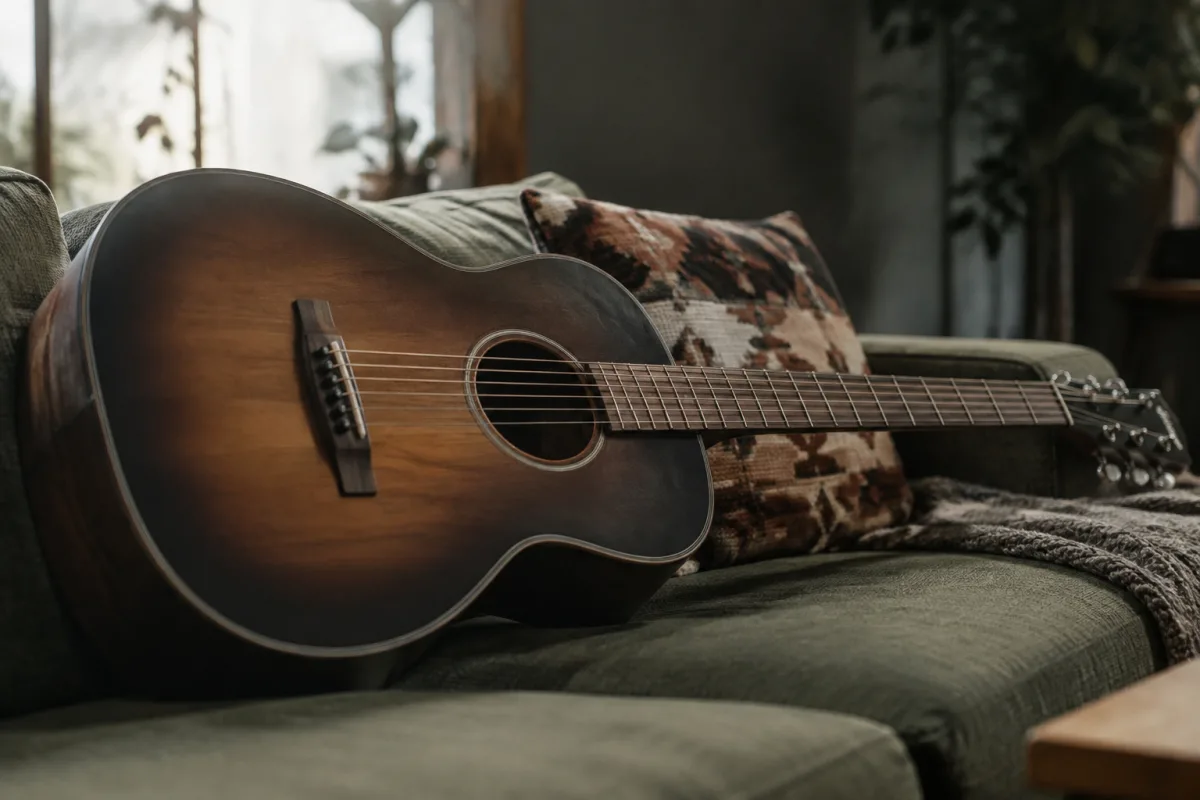
A baritone Gretsch guitar opens up sonic territory that standard guitars simply can’t reach. With a longer scale length and heavier gauge strings, baritone Gretsch instruments deliver low, resonant tone perfect for surf rock, metal, blues and experimental music. If you’ve never played a baritone guitar before, buying one requires understanding how they differ from standard guitars and what specs matter most to get the sound you’re after.
Understanding Baritone Gretsch Guitars
A standard guitar is tuned to E–A–D–G–B–E. A baritone guitar, by contrast, is typically tuned to B–E–A–D–F#–B (or occasionally A–D–G–C–E–A), giving it a deeper, meatier tone. Gretsch’s baritone models maintain the brand’s signature warmth and character whilst delivering that distinctly lower frequency response. The longer neck (typically 29–30 inches compared to a standard 24–25 inches) accommodates thicker strings and creates a different playing feel that takes adjustment but rewards experimentation.
Baritone Gretsch guitars are beloved by session musicians, film and television composers (for that dark, cinematic tone), heavy metal and doom metal players, and anyone seeking to expand their sonic palette beyond the limitations of a standard instrument. They’re specialist tools, but not as esoteric as they might first seem.
Key Reasons to Consider a Baritone Gretsch
The primary advantage of a baritone Gretsch is tonal range. Your standard guitar can’t produce certain low frequencies without sounding thin or strained. A baritone does it effortlessly and beautifully. Additionally, the longer scale allows thicker strings to sit comfortably, which means less string tension relative to pitch — many players find baritone guitars easier to bend notes on and more forgiving to play than overly heavy-gauged standard guitars tuned down artificially.
Moreover, Gretsch’s commitment to baritone guitars is genuine. Unlike brands that offer token baritone models, Gretsch designs purpose-built instruments with proper bridge geometry, neck thickness and pickup voicing optimised for lower frequencies. This matters because it means you get authentic Gretsch tone without compromise.
Picking the Right Baritone Gretsch Model
Gretsch offers several baritone variations, each suited to different musical contexts:
- Electromatic Baritone: The budget-friendly entry point. Excellent for experimenters and beginners who want to explore the baritone sound without major investment.
- Streamliner Baritone: A step up in quality. Better pickups and hardware than the Electromatic, still affordable.
- Professional Baritone: The premium option. Superior pickups (often FilterTron or TV Jones), top-tier hardware and exemplary build quality. For serious players and professionals.
Body shape matters, too. Most Gretsch baritones are semi-hollow or full hollow designs, which give that warm, resonant Gretsch character. A few solid-body options exist, which are more stable for high-gain playing and less prone to feedback on small stages.
Specs to Evaluate Carefully
When shopping for a baritone Gretsch, several technical specifications become crucial:
- Scale length: Longer scales (29–30 inches) accommodate standard baritone tuning comfortably. Anything shorter requires careful string selection and intonation attention.
- Fret count: Baritone guitars typically have 20–24 frets. More frets are nice but not essential unless you regularly play high on the neck.
- Nut width: Thicker strings require wider nut spacing. Check that the nut is properly cut for baritone strings to avoid buzzing or choking.
- Bridge and hardware: A sturdy bridge designed for baritone string tension is essential. Check for robust construction and proper intonation adjustment range.
- Pickup voicing: Higher-end baritones come with pickups specifically voiced for lower frequencies, delivering clarity rather than murk in the low end. Budget models sometimes use generic pickups that sound thick but undefined.
Play test any baritone Gretsch if possible. The longer neck requires adjustment, and some players adapt quickly while others find it uncomfortable. There’s no substitute for hands-on experience before committing your money.
Price Ranges and What You Get
Baritone Gretsch guitars span a reasonable price range, though they’re generally more expensive than equivalent standard guitar models due to the specialized engineering involved:
| Price Range | Model Range | Best For | Considerations |
|---|---|---|---|
| £400–700 | Electromatic Baritone | Curious players testing the waters | Affordable entry point; basic pickups |
| £700–1,200 | Streamliner Baritone | Hobbyists and semi-professional players | Good value; solid construction |
| £1,200–2,000 | Professional Baritone | Working musicians and tone enthusiasts | Superior pickups and hardware |
| £2,000+ | Collector's editions, Custom Shop | Professionals and collectors | Bespoke craftsmanship |
A baritone Gretsch isn’t a luxury purchase if you genuinely need that low-end tone. The price reflects real engineering and materials. That said, a well-maintained £900 baritone will outperform a neglected £2,000 model, so condition and care matter as much as price.
Common Pitfalls for Baritone Buyers
Baritone guitar buyers often make predictable mistakes. Don’t assume that any guitar with a longer neck is a true baritone — some are simply scaled-up standards that don’t play or sound right. Don’t buy a baritone Gretsch expecting it to sound like a standard guitar played down an octave — a proper baritone sounds fuller and warmer, with a distinct character of its own. And don’t overlook string gauge compatibility. A baritone needs thicker strings, and cheap generic strings often sound muddy and wear out quickly.
Avoid models with flimsy bridges or inadequate hardware — baritone string tension punishes cheap components. And don’t rush to buy used without understanding the baritone’s playability requirements. A poorly set-up baritone becomes a frustrating instrument, and professional setup can add £100–200 to your total cost.
Finding Your First Baritone Gretsch
Buy from authorised Gretsch dealers if you want warranty coverage and assurance of authenticity. Major retailers like Thomann and Gear4Music stock baritone models. The secondhand market (Reverb, eBay, local classifieds) can yield bargains, but demands caution — always ask for detailed photos, request the model number to verify authenticity, and have a professional technician inspect any used instrument before payment.
If buying used, confirm that the truss rod adjusts smoothly and the neck is straight. Check for cracks around the body seams or heel joint, which are expensive to repair. And listen carefully to audio clips provided by the seller, paying attention to whether the low end is clear and articulate or muddy and undefined.
Making Your Decision
A baritone Gretsch is an investment in sonic exploration and creative possibility. Start by deciding whether you genuinely need the low-end tones a baritone offers, then identify your budget. Audition models in person if possible, and prioritise playability over brand prestige. For deeper context on baritone Gretsch guitars and their place in music history, explore the complete guide to baritone Gretsch guitars, which covers heritage and the full range of available options.
Buy thoughtfully, invest in proper setup and strings, and you’ll have an instrument that opens doors to tonal and creative territory your standard guitar simply cannot reach.
FAQ
Is a baritone Gretsch suitable for beginners?
Yes, though it helps if you already have some guitar experience. The longer neck requires adjustment, but many beginners find baritones rewarding once they adapt. If you’re completely new to guitar, a standard Gretsch is probably a better starting point.
What strings should I use on a baritone Gretsch?
Baritone-specific string sets (typically .012–.062 or heavier) are designed for the longer scale and lower tunings. Avoid using standard guitar strings; they’ll break under baritone tension or sound thin and weak.
Can I play a baritone Gretsch in standard tuning?
Technically yes, but it defeats the purpose. Baritones are optimised for lower tunings. Playing standard tuning on a baritone creates excessive string tension and compromised tone. Tune it to B–E–A–D–F#–B (baritone standard) or A–D–G–C–E–A for best results.
How much does a professional baritone Gretsch setup cost?
Professional setup (fret levelling, nut adjustment, intonation, hardware inspection) typically costs £80–150. Budget this into your total purchase cost, especially if buying secondhand.
Is a baritone Gretsch better than a Les Paul for heavy music?
Different instruments for different jobs. A Les Paul is heavier bodied and naturally thick. A baritone Gretsch offers more range and customisation of tuning. Choose based on your preferred feel and tonal character.
How do I know if a used baritone Gretsch is authentic?
Check the serial number against Gretsch’s database. Verify the model designation matches Gretsch’s official lineup. Authentic baritone Gretsch models have solid construction and clear branding. If something feels off, ask questions or walk away.


Comments