


Victory Amplifiers article
Victory Amplifiers for Beginners: A Complete Guide
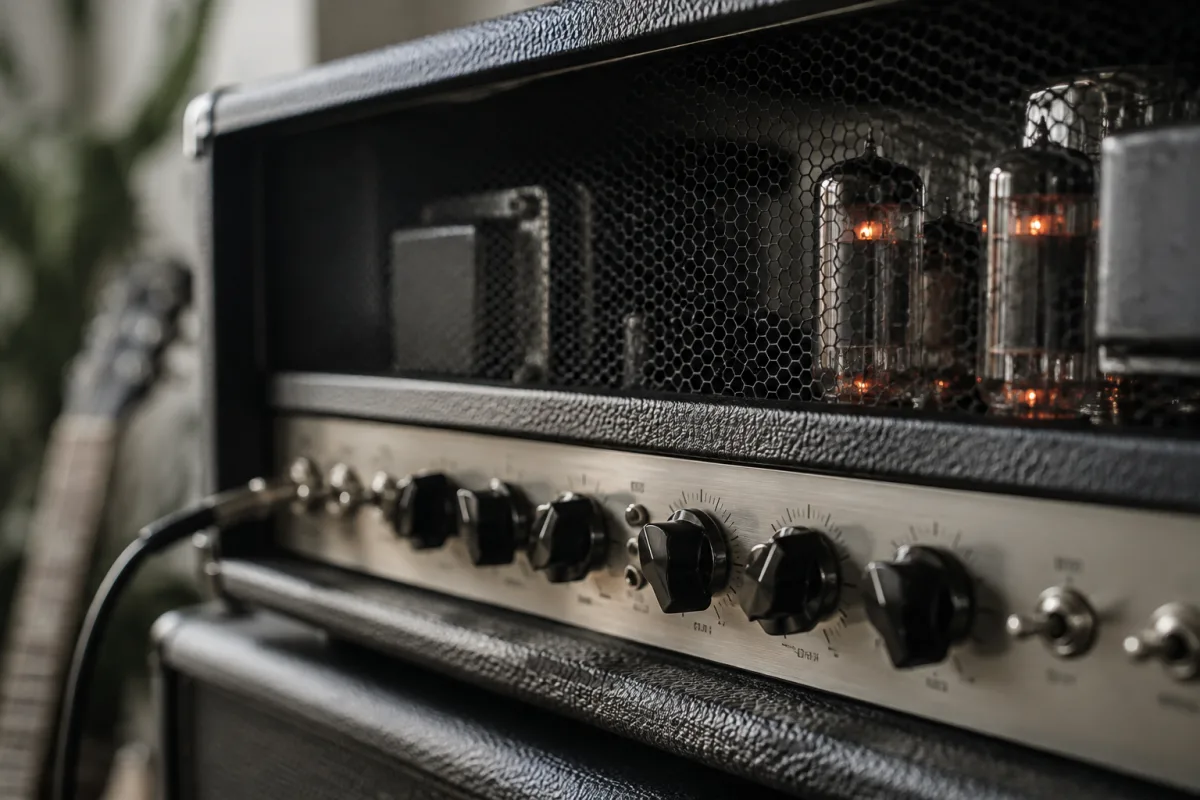
If you're new to guitar amplification, Victory amplifiers might seem intimidatingly complex with their knobs, switches, and mysterious specifications. Yet Victory's approach to amplifier design actually makes them excellent instruments for nervous first-timers to learn with. Rather than drowning beginners in needless complexity, Victory amplifiers emphasise intuitive controls and clear sonic characteristics. This guide addresses beginner concerns about Victory amplifiers, walking you through the fundamentals that matter, the features you'll actually use, and how to get comfortable with amplification without feeling overwhelmed by excessive options.
Why Victory Amplifiers Suit Nervous Beginners
Victory amplifiers earn their reputation by balancing genuine capability with usable simplicity. A beginner encountering a Victory amplifier faces reasonable controls with clear purposes rather than bewildering arrays of options. The colour-coded switching systems, straightforward tone stacks, and sensible channel options mean you can start making your guitar sound good immediately without PhD-level amplifier engineering understanding.
Victory's build philosophy emphasises transparency and responsiveness. When you adjust controls on Victory amplifiers, changes register clearly. This directness helps you learn cause-and-effect relationships between settings and resulting tone. You'll develop understanding of amplifier use faster than struggling with esoteric devices hiding their capabilities behind complex interfaces.
Understanding Victory Amplifier Basics
Most Victory amplifiers employ a similar control philosophy across their ranges. Master volume controls overall output level after the pre-amplifier has done its work. Individual channel volumes let you balance different playing dynamics. Tone controls—treble, middle, bass—adjust colour rather than dramatically altering fundamental character. Presence control affects brightness and cut-through. Learning what these controls do on one Victory amplifier helps you understand Victory's entire range.
Switching systems on Victory amplifiers use colour-coded footswitches and clearly labelled indicators. This intuitive approach means you'll quickly remember which switch does what during practice rather than constantly consulting manuals. The clarity helps build confidence faster than unnecessarily cryptic interfaces on some alternatives.
Common Beginner Concerns About Victory Amplifiers
Many nervous players worry that unfamiliar amplifiers might damage their guitar or require specialist technical knowledge. Victory amplifiers require no special expertise—just basic care and reasonable settings. Standard guitar cable connection, appropriate gain staging, and sensible volume levels are all you need. Victory's design philosophy eliminates unnecessary complexity that creates beginner anxiety.
Will I damage the amplifier with wrong settings? No—Victory amplifiers tolerate exploration without damage risk. You might create unpleasant tones through careless settings, but the amplifier itself remains fine. Practice carefully finding good settings, and you'll develop understanding quickly. Mistakes while exploring won't break anything.
Don't I need expensive accessories or specialist cables? Standard guitar cables work perfectly with Victory amplifiers. Footswitches come included where relevant. You need nothing beyond your guitar and standard equipment. Victory's straightforward approach eliminates accessory complexity that complicates beginner experiences.
Getting Started With Your Victory Amplifier
Unpack your Victory amplifier and spend ten minutes familiarising yourself with controls. Locate the master volume, channel volumes, tone controls, and switching system. Read the included quick-start guide noting where each control sits. This fifteen-minute familiarisation prevents confusion during your first practice session.
Set gain conservatively—around 50% on clean channels as a starting point. Gradually increase if you need more drive. Start with tone controls roughly centred. Play through simple passages noting how adjustments change tone. This deliberate exploration helps you understand cause-and-effect relationships without pressure.
Spend several sessions at low volumes getting comfortable with basic operation. Once you understand what controls do, gradually increase volume and explore switching systems. This patient approach develops competence far better than immediately cranking everything to maximum and wondering why it sounds terrible.
Understanding Volume Control Properly
Victory amplifiers feature both master volume and channel volumes working together. Channel volumes control how much signal reaches the amplifier circuit; master volume controls overall output. For practice, keep master volume relatively low whilst adjusting channel volumes to find good tone. For performance, set channel volumes appropriately, then use master volume for level matching.
This dual-control system seems confusing initially but makes sense quickly. Think of it like a car—engine revs are channel volume, actual road speed is master volume. Both matter independently. Understanding this relationship transforms what initially seems complex into straightforward operation.
Developing Tone Through Patient Exploration
Don't expect perfect tone immediately. Tone development happens through accumulated practice adjusting controls, listening carefully, and slowly developing ears for subtle differences. Spend several weeks with conservative settings before aggressively tweaking. Your developing understanding of cause-and-effect relationships matters more than immediately chasing ideal tone.
Record yourself occasionally. Listening back reveals tone qualities you miss during playing. Comparing recordings with different settings helps you understand what changes are actually important versus what you were imagining. This objective feedback accelerates learning significantly.
Avoiding Common Beginner Mistakes
Don't crank all controls to maximum thinking you need maximum everything. Overdriven tone stacks, excessive presence, and maximum output levels create unpleasant results. Start conservatively and adjust gradually. Most excellent tones come from moderate, balanced settings rather than extremes.
Don't ignore amplifier maintenance. Tube amplifiers need careful handling and occasional servicing. Store Victory amplifiers in stable environments protecting from extreme temperatures and humidity. Treat them as the quality instruments they are rather than disposable equipment.
Don't assume your tone problems come from the amplifier. Often, proper technique, better guitar setup, or improved playing dynamics matter more than amplifier tweaking. Before endlessly adjusting settings, ensure your guitar fundamentals are solid.
Building Confidence With Victory Amplifiers
Your Victory amplifier rewards patient learning. Spend several weeks genuinely understanding how your specific model works before moving to another. Confidence comes through familiarity and practice with specific equipment, not constantly chasing newer alternatives.
Connect with other Victory amplifier users. Online communities share settings, techniques, and guidance. Learning from others' experiences accelerates your understanding whilst reassuring you that common questions get answered regularly.
For comprehensive information about Victory amplifier varieties, technical specifications, and advanced techniques, explore our complete guide to Victory amplifiers, which covers extensive background and detailed specifications. For beginner fundamentals, focus on understanding basic controls, getting comfortable with your specific model, and remembering that excellent tone comes through patient practice rather than complex tweaking. Victory amplifiers reward investment in understanding through immediate usability and satisfying sound quality.



Comments