


Victory Amplifiers Buying guide
Victory Amplifiers: A Complete Buyer's Guide
Victory Amplifiers stand out for their quality and tone. This buyer's guide helps you choose the right model by explaining key specifications, power requirements, and common mistakes to avoid.
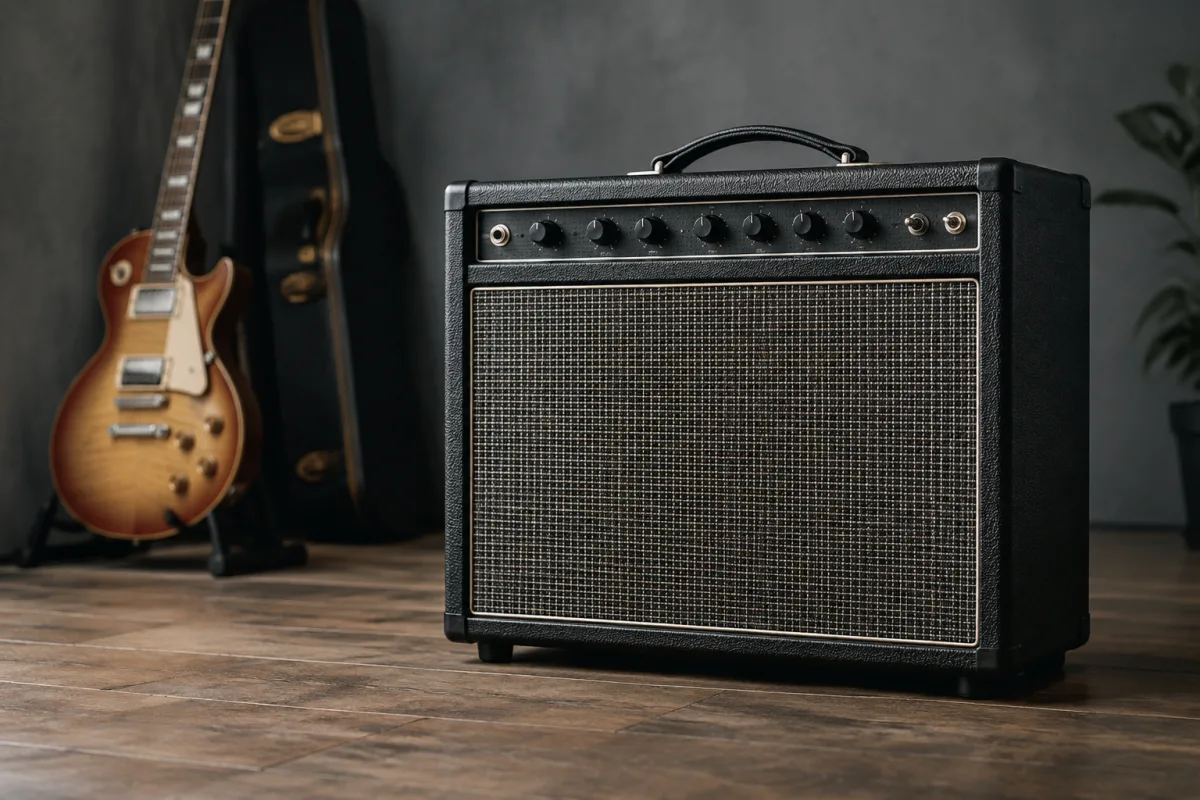
Victory Amplifiers have earned their reputation amongst discerning guitarists for delivering exceptional tone, versatility, and build quality. Whether you're upgrading from a budget amplifier or exploring premium options, understanding what Victory offers will help you make a confident purchase decision. This guide walks you through the key considerations when choosing a Victory amplifier that matches your needs and budget.
Understanding Victory's Amplifier Lineup
Victory manufactures a focused range of valve amplifiers, each designed for specific applications. The brand occupies the premium segment, with models ranging from small practice-oriented heads to powerful performance-ready stacks. Unlike mass-market manufacturers offering dozens of variants, Victory's curated approach means each model serves a distinct purpose. This clarity simplifies your decision-making—you're choosing between well-defined options rather than picking from overwhelming choice. For a deeper exploration of Victory's full range, review the complete guide to Victory amplifiers.
Key Specifications to Evaluate
Before comparing specific models, familiarise yourself with the critical specifications that affect how a Victory amplifier performs in your setup.
Wattage: Victory amplifiers span from 20W models (ideal for bedroom and studio work) through 50W and 100W options (suited to mid-sized venues and touring). Higher wattage doesn't automatically mean "better"—a 50W valve amplifier at full volume produces substantially more volume than you'd ever need for most settings. Consider your typical venues and practice spaces rather than chasing maximum power.
Valve Configuration: Victory employs different power tube combinations to achieve their signature tones. The EL84-based designs offer natural breakup and bell-like clarity, whilst EL34 configurations deliver warmer, thicker sustain. Some models offer switchable options. Understanding which tube types suit your preferred tone is crucial—this affects your purchase more than most other factors combined.
Channel Architecture: Victory models typically feature either single-channel designs with responsive gain and tone stacks, or multi-channel configurations offering clean, overdrive, and lead voicings. Single-channel amplifiers force you to master dynamics through your playing and pedal technique; multi-channel designs provide instant tonal variety without external effects.
New vs. Used: Financial Considerations
Victory amplifiers hold value exceptionally well, making the used market attractive. A three-year-old model costs roughly 60-70% of the new price, depending on condition and hours used. Used amplifiers allow you to access higher-end models on a tighter budget.
However, consider these buying-used risks:
- Tube wear: Heavily used models may need expensive valve replacements (£300-600 for a full set).
- Repair history: Ask whether the amplifier has required service. Previous repairs may indicate design weaknesses or user damage.
- Warranty absence: Used purchases typically offer no manufacturer support. If something fails weeks after purchase, repairs are entirely your cost.
- Transportation damage: Valve amplifiers are fragile. Shipping or poor packing can introduce problems that don't manifest until you power it up.
New purchases from authorised dealers include manufacturer warranties (typically 2-3 years) and confidence in the product's condition. The premium you pay provides peace of mind and customer support.
Power Output vs. Your Actual Needs
This decision confuses many buyers. In real-world conditions:
| Wattage | Best For | Typical Use |
|---|---|---|
| 20W | Bedroom/home studio | Headphone monitoring, quiet recording sessions, intimate practice spaces |
| 50W | Versatile all-rounder | Home recording, small clubs, rehearsal spaces, bedroom high-volume playing |
| 100W | Touring and large venues | Full-band performances, outdoor events, amplifier-in-the-room recording techniques |
Most working musicians find 50W sufficient for 95% of situations. A 20W model at full volume outdoors competes with a 50W model running at 20% volume. The apparent wattage difference translates to only 4 decibels—a barely perceptible change to human hearing. Choose 50W unless you have specific constraints (space, neighbours, weight limitations) or regularly play large venues.
Tone Shaping and Flexibility
Victory amplifiers range from straightforward (single tone control, presence knob) to complex (three-band EQ, depth switches, resonance adjustment). More controls aren't always better—they require deeper understanding to optimise.
If you're new to tone shaping, simpler control layouts force you to develop good technique and ear training. More experienced players benefit from granular control to tailor the amplifier across different guitars and playing styles.
Consider which features genuinely matter for your music:
- Do you need switchable channels, or will you manage gain through pedals and pick dynamics?
- Will you exploit a footswitch, or stay with manual controls?
- Does your genre demand subtle breakup, or aggressive saturation?
- Do you play multiple guitars requiring different gain structures?
Cabinet Matching and Impedance
Victory heads require proper cabinet matching to sound correct. Pay attention to impedance (typically 4, 8, or 16 ohms) and wattage rating. Running a 100W head through an under-rated cabinet risks damage or poor tone. Conversely, over-sized cabinets work fine but cost more money without sonic benefit.
Victory manufactures purpose-designed cabinets, but third-party 2x12" or 1x12" boxes also work well provided impedance matches. Avoid mixing impedances on cabinet switches—this creates unpredictable load conditions.
Common Buying Pitfalls
Avoid these mistakes that plague first-time premium amplifier buyers:
Chasing maximum wattage: A 20W amplifier pushed into natural breakup sounds better than a 100W model strangled by power attenuation. Wattage serves your venue, not your tone.
Overlooking impedance: Mismatched speaker and amplifier impedance causes distortion, heat stress, and potential failure. Check this before purchasing.
Ignoring weight: A 100W head approaches 50 pounds. If you gig regularly, this becomes genuinely burdensome. Lower wattage remains sensible for touring musicians.
Buying without hearing: Valve amplifiers sound distinctly different in person versus YouTube videos or shop demos. If possible, arrange an audition with your guitar in a setting matching your typical playing.
Expecting magic: Victory amplifiers amplify your playing, they don't transform it. A decent guitarist through a Victory sounds excellent; a poor player simply sounds loud.
Price Tiers and Value
Victory pricing reflects their position in the premium market. Entry-level Victory amplifiers (20W models) start around £1,200-1,500. Mid-range 50W heads range £2,000-3,000. Top-tier 100W models and specialty configurations exceed £3,500. These prices position Victory alongside Engl, Diezel, and Friedman as serious professional instruments.
Within this tier, Victory offers remarkable value—the build quality, warranty support, and tonal flexibility justify the investment when compared to budget alternatives.
Making Your Final Decision
Narrow your choice by prioritising your primary use case. Will this amplifier spend 80% of its time in your home studio, or gigging twice monthly at small clubs? Does your current guitar collection benefit from simpler or more complex tone shaping? Can you reasonably transport and power a 50W head, or should you stay with 20W?
Once you've identified 2-3 models matching these criteria, spend time with each one. Bring your guitar, your favourite pedal, and your ears. The right Victory amplifier will feel immediately intuitive—tone shaping feels natural, the response to pick dynamics satisfies, and the overall character complements your playing style.
Victory amplifiers represent a significant investment, but they retain value, perform reliably for decades, and evolve with your playing. Choosing carefully ensures years of musical satisfaction.



Comments