


Tube Amp article
Tube Amp for Beginners: A Complete Guide
Starting with a tube amp? This beginner's guide covers everything you need to know—power ratings, essential controls, common mistakes to avoid, and practical first steps to confident playing.
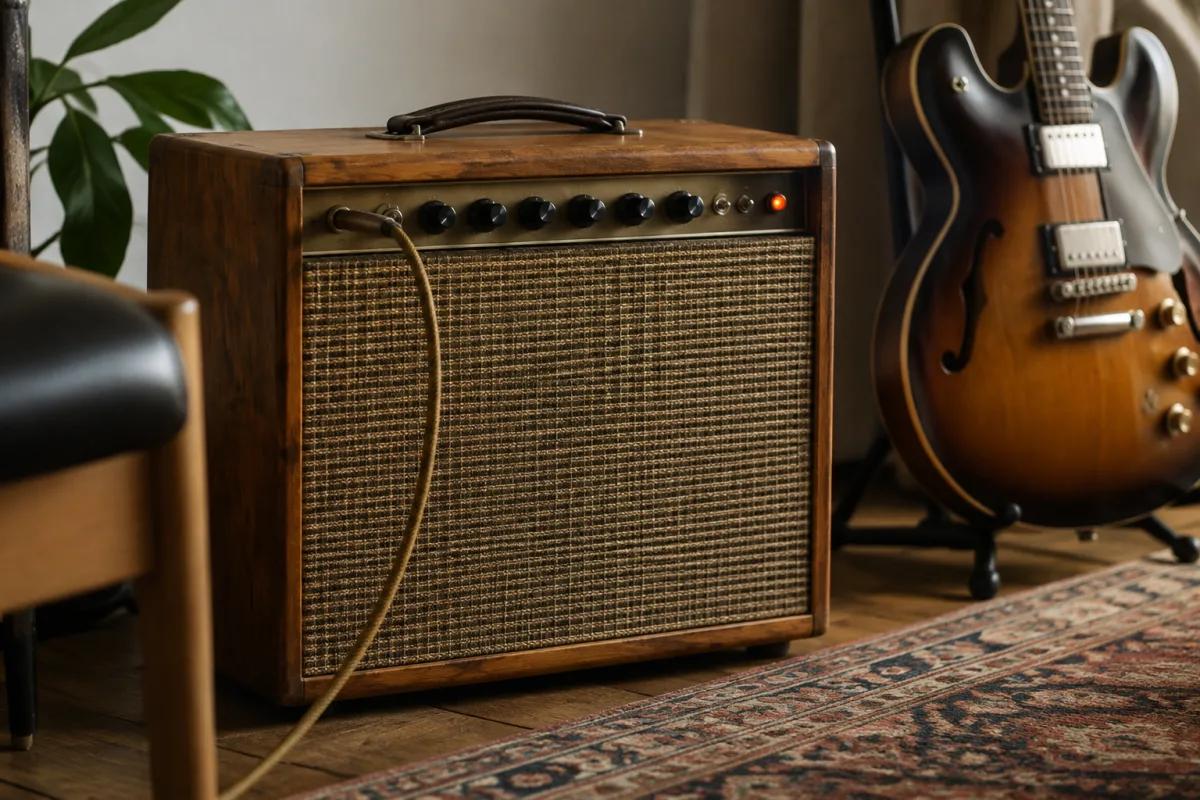
Considering your first tube amp? You're entering an exciting world of warm, responsive tone that's captivated guitarists for decades. But tube amps can seem intimidating at first—all those switches, knobs, and cryptic terminology. This guide strips away the mystery and shows you exactly what you need to know to get started confidently.
Why Beginners Love Tube Amps
Before diving into the how-to, let's understand why tube amps matter. A tube amp uses vacuum tubes to amplify your guitar signal, creating a naturally warm, musical tone that responds beautifully to your playing dynamics. Unlike solid-state amps that sound crisp and clean, tube amps are forgiving and rewarding—they actually encourage musical expression. This responsiveness makes them brilliant for learners because you'll hear immediate feedback as you develop your technique.
The good news? You don't need to understand the electronics to use one. Just like you don't need to rebuild an engine to drive a car, you can master a tube amp through simple, practical steps.
Your First Decision: Size and Power
The biggest beginner mistake is buying too large a tube amp. Most guitarists wrongly assume more watts equals better tone. Actually, it's quite the opposite. A 5-watt tube amp pushed to volume will sound better than a 50-watt one barely whispering. For home practice, look at:
- 1-5 watts: Perfect for bedroom practice. Achieves overdrive at conversational volume.
- 15-20 watts: Ideal if you rehearse with a band or play small venues. Still portable.
- 30+ watts: Gig-ready power, but requires a bigger space to sound right.
Start small. A 5-watt combo tube amp is your best friend as a beginner—affordable, manageable, and you'll unlock thick tone at sensible volumes.
The Three Essential Controls
Every tube amp has controls that might look confusing, but three are all you really need to master:
Gain (or Input)
This controls how much distortion your tube amp produces. Start with it low, then turn it up until you hear saturation—a warm, thick compression in your tone. Higher gain means more overdrive. This is your tone character.
Master Volume
Once you've dialled in gain, master volume controls how loud the tube amp outputs. Turn this up if you want stage volume without extra distortion. This is your loudness control.
EQ (Bass, Mid, Treble)
Most tube amp models include these three knobs. Start with them centred, then adjust to taste. Beginners often discover they prefer slightly less treble and more mid than they'd expect—tube amps are naturally thick, so go gentle on the bass initially.
Common Beginner Mistakes to Avoid
Learning from others' slip-ups saves pounds and headaches. Here's what catches most beginners with a tube amp:
Blasting the Volume Immediately
Your tube amp needs time to warm up. Switch it on and wait five minutes before playing. Tubes literally heat up like light bulbs—this is normal. Then start quiet and build volume gradually as you explore.
Ignoring the Output Impedance
A tube amp MUST be connected to a speaker load rated for its output impedance (usually 8 or 16 ohms). Running a tube amp without load permanently damages the output transformer. Always verify this one detail.
Not Trying Different Pickups and Cables
A tube amp responds dramatically to input quality. Your guitar's pickups and lead cable matter hugely. Cheap cables can introduce noise that makes a beautiful tube amp sound thin. Don't blame the amp—upgrade these first.
Your First Week: Simple Steps to Success
Here's your practical first-week roadmap with any tube amp:
- Plug in, power on, wait five minutes for tubes to warm.
- Set gain to 50%, master to 25%, all EQ to centre.
- Play gently through clean tones first, getting a feel for dynamics.
- Gradually increase gain 10% each session to explore overdrive.
- Adjust one EQ knob at a time, taking time to hear the difference.
- Leave the tube amp running for 15 minutes after play to cool gradually.
Don't overthink it. A tube amp is remarkably forgiving, and experimenting teaches you far more than reading ever could.
When to Use Each Channel (If Your Amp Has Two)
Many tube amp models include a clean channel and a gain channel. Beginners often find this confusing. The clean channel is your foundation—it's pure, transparent tone. Use this when learning clean technique. The gain channel is your friend for rock and blues overdrive. Most beginners stick to one channel whilst they're starting out, which is perfectly fine.
Maintenance: It's Simpler Than You Think
A tube amp needs minimal care compared to other gear. The main things:
- Power down and cool for 10 minutes before transporting.
- Keep it away from damp environments (tubes dislike moisture).
- Listen for unusual crackling or hum—if present, have it checked.
- Tubes eventually wear out and need replacement, but a beginner's practice amp won't need this for years.
Learning More: Your Natural Next Steps
Once you've got the basics down, you might want to explore tube amp features in more depth. That guide covers technical aspects, different amp types, and advanced setups. But honestly? Most of what you need to know, you can learn by playing.
A tube amp rewards curiosity. Every guitarist who owns one has their own relationship with it—tweaking controls, discovering favourite settings, developing a personal tone. That journey starts here, and it's a wonderful one. Give yourself permission to experiment, take your time, and enjoy building your tone from the ground up.


Comments