


Tc Electronic Guitar Effects Buying guide
Tc Electronic Guitar Effects: A Complete Buyer's Guide
Choosing the right TC Electronic guitar effects requires knowing what actually matters. This buying guide focuses on practical considerations, specs that count, price tiers, and the pitfalls that catch buyers off guard.
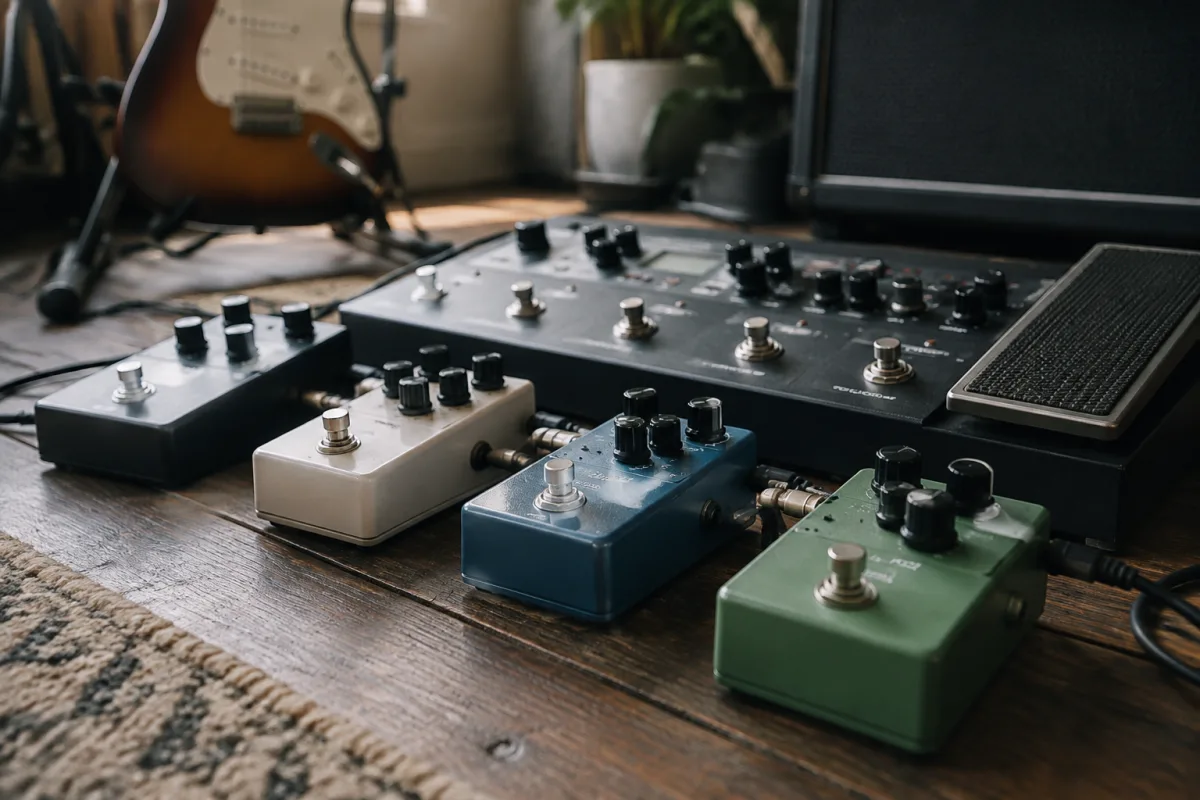
Choosing the right TC Electronic guitar effects can transform your tone, but navigating their extensive range of stompbox pedals, multi-effects units, and integrated processors requires knowing what actually matters. Whether you're hunting for a single high-quality reverb or a complete effects rig, this buying guide focuses on the practical considerations that separate a sensible purchase from an expensive mistake. We'll look at specs that count, price tiers that make sense, and the pitfalls that catch buyers off guard.
TC Electronic Guitar Effects Categories: What Are You Actually Buying?
TC Electronic makes several distinct product categories. Understanding which fits your needs saves time and money. TC Electronic guitar effects come in these main forms:
| Category | Typical Price Range | Best For |
|---|---|---|
| Single Stompbox Pedals | £100–£300 | Guitarists wanting one specific effect (reverb, delay, modulation) |
| Multi-Effects Floorboards | £400–£1200 | Gigging musicians needing complete tone control and switching |
| Compact Multi-Effects Units | £200–£600 | Studio use or portable rehearsal rigs |
| Integrated Amplifier Effects | Built-in / varies | Guitarists using compatible TC amplifiers |
The product you choose determines everything that follows. A single delay pedal serves different needs than a full floorboard, and your budget and gigging situation should guide which category makes sense.
Specs That Actually Matter for TC Electronic Guitar Effects
When comparing TC Electronic guitar effects units, most specifications are noise. Focus on these genuine decision-makers:
Signal chain flexibility. Can you reorder effects? Can you run effects in parallel? TC's mid-range and higher units offer chain editing; budget pedals offer fixed order. Know which you need before buying. If you want reverb before or after delay depending on the song, you need reordering ability.
Storage capacity and bank management. How many patches or presets can the unit hold? Are they organized into banks? For live use, you need quick access to your sounds. A unit with 5 banks of 5 patches (25 total) might feel cramped; 10 banks of 10 gives you breathing room. Check the preset naming system too—can you label presets clearly, or are they numbered cryptically?
Expression pedal and footswitch options. Does the unit have a built-in expression pedal? Can you attach external footswitches? For stage use, these control dynamics and switching. A solid expression pedal and dedicated switch access are worth their cost in real-world playing.
Audio connectivity. Does it support stereo in and out? Can you loop in your amp's effects loop? For home studio use, does it handle audio interface connection cleanly? TC Electronic guitar effects vary widely here. Pro units handle balanced XLR; entry-level stompboxes use 1/4" only.
Processing power and algorithm quality. This is harder to judge on paper, but TC's TonePrint technology (their digital algorithms) is their genuine strength. Read reviews specifically about algorithm character, not just quantity. Having 100 reverbs is worthless if they sound thin.
Price Tiers and What You Actually Get
TC Electronic guitar effects pricing breaks down roughly into tiers. Each tier has real differences:
Budget tier (£100–£250): Single stompbox pedals with one or two primary effects. You get solid TC quality but limited editing depth. Good if you know exactly what you want. The sonic character is professional; you're paying for simplicity.
Mid-tier (£250–£600): Multi-effect units with multiple effect types, decent preset storage, and some editing flexibility. These suit rehearsal rooms and light gigging. You gain effects variety without overwhelming complexity.
Professional tier (£600–£1200): Full floorboards with extensive editing, expression control, and many simultaneous effects. These are stage-ready. You're paying for reliability, flexibility, and build quality that survives touring. Gig musicians and recording studios live here.
Flagship/Premium (£1200+): Integrated systems, flagship processors, or highly specialized units. Only buy here if you have specific professional needs and have heard them solve a real problem you face.
Don't assume higher price means better. A £200 TC Electronic reverb pedal may be exactly what you need; a £1000 floorboard would be massive overkill. Match the tier to your actual use case.
Pitfalls: What Catches Buyers Off Guard
TC Electronic guitar effects buyers often stumble on these issues:
Pitfall: Confusing editing depth with quality. A unit with hundreds of parameters sounds powerful but creates decision paralysis. TC's user interface is generally intuitive, but don't buy complexity you won't use. Start simple. Complexity comes later if needed.
Pitfall: Ignoring TonePrint customization expectations. Many TC Electronic guitar effects include access to their TonePrint Editor software (computer-based customization). This is powerful but requires learning the interface. If you want instant, straightforward effects, this adds friction. Factor in your willingness to deep-dive into software.
Pitfall: Overlooking power requirements. Stompbox pedals need specific power supplies or batteries. Multi-effects units have their own requirements. Research power before you buy. A unit that needs mains power is a pain if you gig regularly. Conversely, battery drain on a stompbox matters on a 3-hour set.
Pitfall: Underestimating footswitch needs. You're planning rehearsal use now. Will you gig later? Floorboards have built-in footswitches. Compact units often don't. Adding external switches later costs extra and creates cable clutter. Think ahead.
Pitfall: Buying for a genre that changes. A £400 TC multi-effects unit optimized for clean ambient tones doesn't serve metal well, and vice versa. Buy versatility, not specialization. TC's units are generally wide-ranging, but confirm they handle your current style and can adapt if your music evolves.
Compatibility and Integration Considerations
TC Electronic guitar effects integrate with other gear in ways that matter:
Amp compatibility. TC makes guitar amplifiers with TonePrint app connectivity. If you already own a TC amp, buying complementary TC Electronic guitar effects creates a unified ecosystem. The integration is genuine. If you're not in that ecosystem, this isn't an advantage.
Pedalboard space. Stompbox pedals need board real estate. A single 1590B-sized pedal is compact. A full pedalboard of six pedals takes up your whole guitar case if you're gigging. Measure your actual pedalboard before committing to multiple units.
Audio interface integration. If you record directly into a computer, does your TC unit connect cleanly? Some handle USB audio; others require 1/4" cables and a separate interface. Confirm before buying for recording work.
Buying Strategy: New vs. Used TC Electronic Guitar Effects
TC gear holds value well. Used TC Electronic guitar effects are generally safe purchases if you inspect them. Check for:
Physical wear on footswitches and knobs (signs of stage use intensity). Audio crackles or noise in the output (possible component degradation). Whether the unit still has its original power supply and cables. Price negotiation room: well-used stage units may have cosmetic damage but function perfectly.
New gear guarantees warranty and the latest firmware. Used gear saves 20–30% often. For budget-conscious buyers, used mid-tier TC is better than new entry-level from another brand.
Final Consideration: The Sibling Resource
Before buying TC Electronic guitar effects, the complete guide to TC Electronic guitar effects provides an in-depth technical breakdown of their systems, algorithms, and sonic character. Read it to understand what you're purchasing before you commit money.
Making Your Purchase Decision
Buying TC Electronic guitar effects comes down to matching the product category to your needs, understanding the specs that drive your actual use, and sidestepping the common pitfalls. Know your budget tier. Confirm power and connectivity. Test the unit if possible—audio gear is personal, and hands-on evaluation beats specifications. Buy what solves your real problem, not what sounds impressive on paper. TC Electronic's reputation is built on reliability and sound quality; you're choosing among genuinely good options. The "wrong" choice is mainly one that doesn't suit your workflow or budget, not one that's inherently poor.


Comments