


Synth Pedal for Bass Buying guide
Synth Pedal For Bass: A Complete Buyer's Guide
A synth pedal transforms bass guitar into a synthesizer, adding textural depth and experimental tones. This buying guide walks you through essential specifications, compatibility, and pricing.
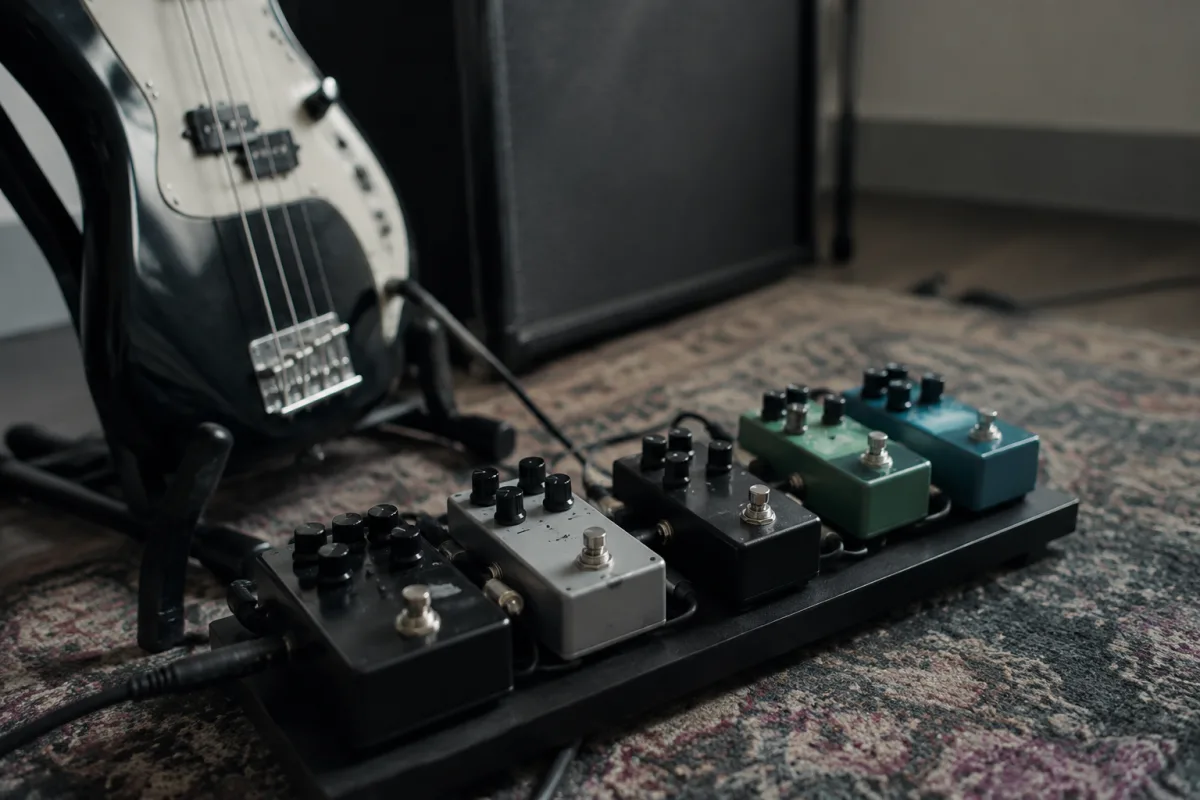
A synth pedal transforms bass guitar into a synthesizer, adding textural depth and experimental tones to traditional bass playing. Unlike guitar synth pedals, bass versions must track lower frequencies accurately while preserving your instrument's fundamental character. This buying guide walks you through essential specifications, compatibility concerns, sound quality assessment, and realistic pricing to help you select the right synth pedal for your bass rig and musical goals.
Understanding Synth Pedals for Bass
Bass synth pedals use tracking algorithms to detect your bass note pitch and convert it into synthesizer sounds. Think of it as a separate synthesizer following along with your playing, generating tones based on the notes you trigger. Unlike distortion or delay pedals that process your bass tone directly, synth pedals create entirely new sounds layered over or replacing your bass signal.
This distinction matters for purchasing decisions. Guitar synth pedals often struggle tracking low bass frequencies accurately, creating lag and pitch misidentification. Dedicated bass synth pedals are engineered specifically for the sub-100Hz frequency range where most bass guitars operate. Purchasing a guitar-focused synth pedal for bass frequently results in frustration; invest in bass-specific models to avoid this common mistake.
Key Specifications You Need to Understand
Tracking speed determines how quickly the pedal detects your note onset and triggers synthesis. Fast tracking (near-instant response) feels natural and musical; slow tracking creates noticeable lag between playing and synthesis output. Professional bass synth pedals achieve sub-50ms latency; budget models sometimes exceed 100ms, which feels significantly delayed to the player.
Pitch accuracy is another critical specification. Quality pedals track your played note precisely across the entire bass frequency range. Cheap models occasionally misidentify notes, particularly with aggressive picking or lower register playing. This mistracking makes the synth sound out-of-tune, destroying musical credibility. Test pitch accuracy before purchasing if possible.
Sound bank size indicates how many different synthesis presets are available. Entry-level pedals feature 10–50 sounds; professional models offer 100+. More sounds provide creative variety but also complexity navigating during performances. Evaluate whether you need maximum versatility or whether fewer, carefully-selected sounds better suit your playing style.
Integration with Bass Amplifiers and Effects Chains
Synth pedals require careful signal chain positioning. Most work best directly after your bass guitar, before compression or tone-shaping effects. Placing distortion or heavy compression before the synth pedal can confuse the tracking algorithm. Planning your effects order before purchasing prevents costly rearrangement later.
Output level matching is crucial. Some synth pedals output significantly hotter or colder than standard bass signals, requiring level compensation in your amplifier or interface. Professional pedals allow output level adjustment; budget models sometimes lack this feature, forcing uncomfortable volume compromises. Check output specifications against your amplifier's input sensitivity.
Some synth pedals feature stereo outputs or separate dry/wet outputs, allowing you to run synthesis through one amplifier and your unprocessed bass through another. This "wet/dry" approach preserves your natural bass tone while layering synthesis, providing maximum flexibility. Mono-output models blend synthesis with your signal permanently, offering less creative control.
Comparing Bass Synth Pedal Categories
| Category | Price Range | Tracking Quality | Sound Variety | Best For |
|---|---|---|---|---|
| Budget Entry Model | £80–150 | Adequate, occasional mistrack | 20–50 sounds | Experimentation, occasional use, learning |
| Mid-Range Professional | £200–400 | Excellent, reliable tracking | 50–100+ sounds | Regular gigging, studio recording, serious use |
| Premium High-End | £500–800+ | Exceptional, fast response | 100+ sounds, advanced synthesis | Touring musicians, sound designers, professional studios |
Most serious bass players invest in mid-range models (£200–400) offering reliable tracking and sufficient sound variety for diverse musical situations. Budget models are fine for experimentation or playing once monthly; professional touring requires premium models' faster tracking and deeper feature sets.
Sound Character and Sonic Possibilities
Bass synth pedal sounds divide into several categories: bass synthesizer (warm, woody synth tones), lead synthesis (higher-pitched melodic sounds), modulation-based effects (wobbling, pulsating sounds), and combination sounds (layering multiple synthesis types). Evaluate whether the pedal's sound bank matches your musical style.
Some pedals emphasize authentic Moog-style synth tones; others pursue experimental, heavily-processed sounds. Listen to audio samples and watch YouTube demonstrations before purchasing. Your sonic preference might drastically differ from a reviewer's. Bass tone is personal; what sounds brilliant to one player might sound fake or artificial to another.
Advanced pedals include synthesis parameter editing—filter cutoff, resonance, attack, decay—allowing you to customize sounds to your preferences. Budget models often feature fixed presets offering no customization. If sound sculpting is important to your workflow, prioritize models with editing capabilities.
Compatibility with Different Bass Types
Active bass guitars (with onboard amplifiers) often have higher output levels. Some synth pedals struggle with hot signals, introducing noise or digital clipping. Verify the pedal accommodates your bass type's output level. Similarly, fretless bass guitars have different attack characteristics than fretted basses, potentially affecting tracking. Quality synth pedals handle both well; budget models occasionally struggle with fretless attack.
Playing style matters significantly. Aggressive picking and slap bass create challenging dynamics for tracking algorithms. Smooth finger-style playing allows synth pedals to track more accurately. If your bass style is aggressive, invest in premium tracking technology; if you play smoothly, budget models often suffice.
Power Requirements and Connectivity
Most bass synth pedals operate on standard 9-volt power supplies. Quality pedals include USB connectivity for firmware updates and expanded sound libraries. Some feature MIDI input/output for synchronizing with other equipment or controlling the pedal from external controllers.
Battery operation is generally not recommended for synth pedals—power demands are high, and battery life is short. Use a quality power supply designed for multiple pedals. Cheap adapters introduce noise and tracking instability. Budget £15–30 for quality power infrastructure as part of your total investment.
Price Tiers and True Cost Considerations
A quality bass synth pedal costs £200–400. This is a significant investment but appropriate for serious musicians using the pedal regularly. Budget models (£80–150) work for occasional use and experimentation but rarely satisfy professional gigging demands. Premium models (£500+) are justified only for sound designers or touring musicians whose income depends on reliable, exceptional tracking.
Total ownership cost includes the pedal, quality power supply (£20–50), potentially an expression pedal for real-time parameter control (£40–80), and connecting cables (£15–30). Budget £250–500 for a complete, gig-ready synth pedal setup.
Common Buying Mistakes to Avoid
Purchasing guitar synth pedals for bass is the most frequent mistake. Guitar models often mistrack low frequencies, creating frustrating lag and inaccuracy. Invest in bass-specific models; the cost difference is usually modest and the performance improvement dramatic.
Overestimating sound bank importance is another common error. Fifty well-designed sounds serve better than 200 mediocre ones. Focus on sound quality and tracking reliability before chasing maximum preset quantity. Professional players often program 5–10 favourite sounds and ignore the rest.
Neglecting to test tracking before purchasing is a serious pitfall. If possible, play the exact pedal you're considering purchasing through your own bass and amplifier setup. Tracking performance is highly dependent on your specific instrument and playing style; what works perfectly for another bassist might frustrate you.
Warranty and Support Considerations
Premium brands (Elektron, Moog, Boss) offer excellent support and multi-year warranties. Budget brands sometimes lack comprehensive coverage. Before purchasing, review warranty terms, return policies, and customer support reputation. Buying from authorized retailers ensures straightforward warranty claims.
Integration into Your Bass Rig
Synth pedals shine when integrated thoughtfully into a complete rig. Most players position the synth pedal early in the signal chain, before compression or tone-shaping. Run outputs through a dedicated amplifier or amplifier channel for maximum flexibility. Alternatively, blend synthesis with your bass signal for integrated tonal expansion.
For detailed exploration of specific synth pedal models, advanced synthesis techniques, and creative applications for bass, check our complete guide to synth pedals for bass. That resource covers every model, feature, and performance technique these creative tools unlock.
Making Your Final Decision
Define your use case first. Casual experimentation? Budget models suffice. Regular gigging or studio recording? Invest in mid-range professional models. Touring or sound design work? Premium models justify their cost. Next, prioritize tracking reliability and sound quality over preset quantity. Finally, test equipment before purchasing whenever possible—audio equipment is deeply personal.
Final Thoughts
Synth pedals expand bass creative possibilities dramatically, but only when properly matched to your needs and rig. Make informed purchasing decisions by understanding tracking technology, evaluating sound quality, and budgeting for complete system integration. With realistic expectations and careful selection, a bass synth pedal becomes an inspiring creative tool accelerating your musical exploration and expanding your tonal palette.


Comments