


Spring Reverb Pedal Buying guide
Spring Reverb Pedal: A Complete Buyer's Guide
A practical buying guide to selecting the right spring reverb pedal, covering specifications, price ranges, tank-based vs. digital options, and what to test before purchase.
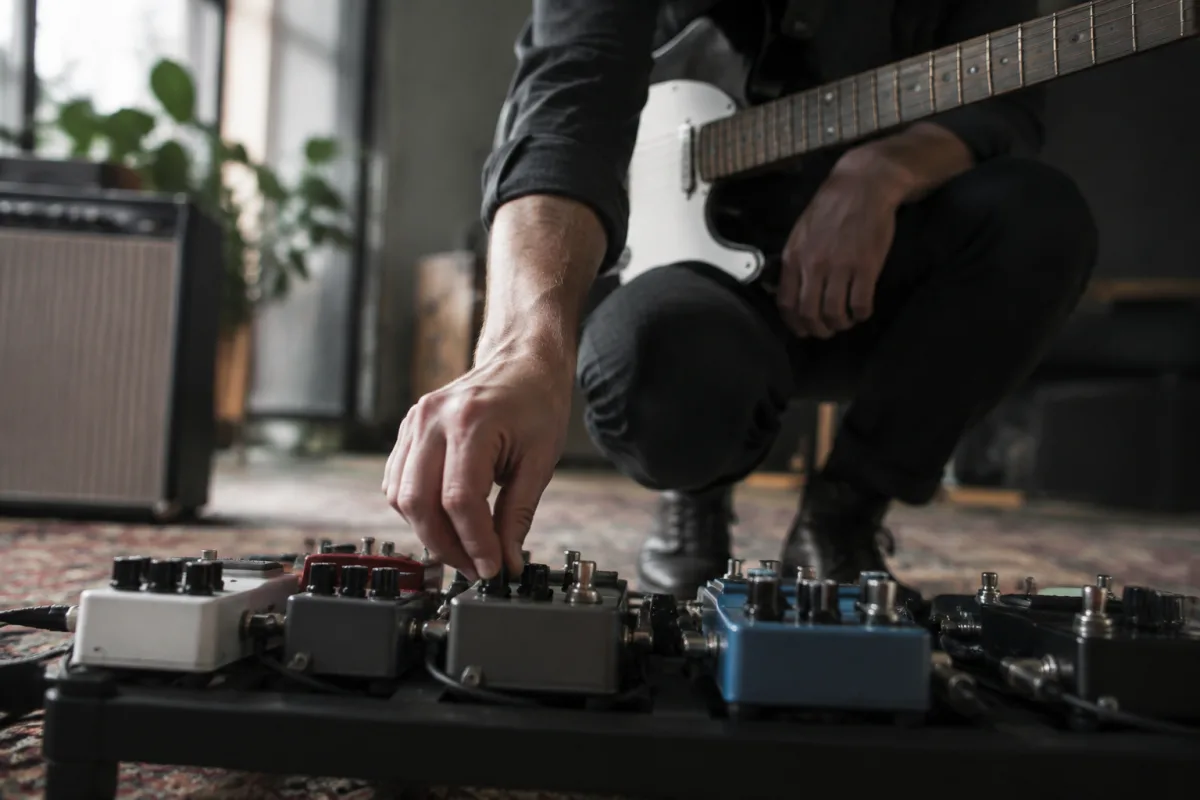
A spring reverb pedal can transform your tone from thin and bright to lush and spacious. But buy the wrong one and you'll end up with a unit that's either too flimsy, noisier than your guitar, or incompatible with your setup. This guide cuts through the confusion and helps you find the best spring reverb pedal for your needs and budget.
Understanding Spring Reverb Pedal Types
Not all spring reverb pedals work the same way. Understanding the three broad categories helps you narrow your choice immediately.
Tank-Based Spring Reverb Pedals are the purists' choice. These contain actual spring tanks—the same components found in vintage Fender amplifiers. A spring reverb pedal with a genuine tank delivers authentic, warm reverb with natural decay. The tradeoff? They're bulkier, heavier, and more expensive. Budget £200-500+ for quality tank-based units.
Digital Emulation Pedals recreate spring reverb using digital algorithms. Modern processors are genuinely impressive—many players can't distinguish them from real springs in a band mix. These spring reverb pedal designs are lighter, more compact, and cheaper (£80-200). If you're budget-conscious or touring frequently, digital is sensible.
Hybrid Spring Reverb Pedals combine digital processing with smaller physical springs. They're a middle ground: more authentic than pure digital, more practical than full tanks. Expect to pay £150-350 for a well-regarded hybrid spring reverb pedal.
Critical Specifications When Choosing a Spring Reverb Pedal
Don't just listen to demos. Check these specs before buying a spring reverb pedal:
| Specification | What It Means | What to Prioritise |
|---|---|---|
| Decay Time | How long the reverb tail lasts (1-5 seconds typical) | Longer decay (3-5 sec) for ambient; shorter (1-2 sec) for rhythmic music |
| Tone Control | Ability to shape high/low frequency content of reverb | Essential. Prevents mud; allows integration with your rig |
| Mix/Dry-Wet | Balance between original signal and effect | Crucial. Poor mix control sounds unnatural; good control is subtle |
| Noise Floor | Hiss/background noise the spring reverb pedal adds | Lower is better. Older tanks are noisier; modern digital very clean |
| Input/Output Impedance | How the pedal interacts with your amp and guitar | Passive pickups work with most; active pickups need 1M+ impedance |
| Footswitch Sensitivity | Whether the pedal responds to switch taps or tremolo | Some spring reverb pedals let you dial reverb up/down by foot—useful live |
Price Tiers and What You Actually Get
Spring reverb pedal pricing is spread across a wide range. Here's what to realistically expect at different price points:
Budget Tier (£50-100) includes entry-level digital spring reverb pedals from brands like Behringer and budget-conscious manufacturers. You get basic reverb with minimal control. Noise floor is noticeable. Acceptable if you're gigging rarely or exploring the sound; frustrating as a permanent solution. Many players regret not spending a bit more.
Mid-Range Tier (£100-250) is where most players find their spring reverb pedal. Boss, Fender, and Electro-Harmonix offer well-made units with sufficient control, reasonable noise performance, and reliable foot switches. These pedals survive years of gigging and transport. Hybrid and budget tank options appear here too. Best value-for-money territory.
Premium Tier (£250-500) features quality tank-based spring reverb pedals, refined digital models from boutique makers, and feature-rich hybrids. Build quality is noticeably solid. Noise floors are very low. Controls are intuitive. These pedals earn their price through longevity and subtle sound quality.
Vintage/Specialty Tier (£500+) includes rare tank-based units, custom spring reverb pedals, and high-end digital emulations. Collectors and professionals spend here. Unless you're gigging regularly at high levels or have specific sonic requirements, this tier is overkill.
Essential Checks Before Buying
Online reviews are helpful, but test a spring reverb pedal's real limitations:
Noise at High Mix Levels Plug into an amp and set the spring reverb pedal to maximum mix/reverb. Listen carefully for hiss, hum, or unwanted artifacts. Budget models often fail here; you'll hear the effect more than your tone.
Decay Stability Trigger the spring reverb pedal and listen to the reverb tail. Does it decay smoothly or flutter? Do springs ring unnaturally? Real springs can rattle; good digital models avoid this.
Mix Control Usability A spring reverb pedal with poor mix control forces you to either hear mostly effect or barely any effect. There's no happy middle ground. Good units dial in perfectly balanced reverb.
Footswitch Reliability Press the switch 20-30 times firmly. Budget pedals develop scratchy, inconsistent switching within months. Quality spring reverb pedals feel solid and consistent.
Power Requirements Check if the spring reverb pedal runs on batteries, 9V adapter, or both. Tank-based pedals are power-hungry; digital models sip power. Travelling often? Prioritise dual power options.
Common Buying Mistakes
Mistake One: Prioritising Size Over Sound A compact spring reverb pedal seems practical, but many sacrifice tone and control. If your pedalboard space is tight, upgrade your board before accepting a mediocre pedal.
Mistake Two: Ignoring Impedance Compatibility A spring reverb pedal mismatched to your guitar's pickup impedance introduces noise or tone loss. Check the manufacturer specs against your instrument.
Mistake Three: Buying Without Hearing Through Your Rig A spring reverb pedal that sounds lush at a shop might clash with your amp's natural reverb or your guitar's tone. Whenever possible, test through your actual setup.
Mistake Four: Confusing Tank Age with Quality Older vintage spring reverb pedal tanks sound wonderful but can be noisy and fragile. Newer designs are often cleaner and more reliable. "Vintage" isn't automatically better.
Tank vs. Digital: Making Your Choice
Still torn between a tank-based spring reverb pedal and digital?
Choose tank-based if: you record frequently and want warmth; you play genres where reverb is the sonic centrepiece (surf, psychedelia, indie); you don't mind extra weight; or you have a stable pedalboard setup that won't be moved.
Choose digital if: you gig regularly or travel; noise floor is critical (for silent studio work); you want lightweight portability; or you value affordability. Modern digital spring reverb pedals are genuinely good enough for any performance context.
Integration: How a Spring Reverb Pedal Fits Your Signal Chain
Placement matters. A spring reverb pedal traditionally goes near the end of your signal chain, after overdrives and distortions. However, some players experiment with placing reverb earlier. The beauty of a dedicated spring reverb pedal? You control its position completely, unlike amp-mounted reverb which is stuck at the very end.
Budget for a quality cable to connect your spring reverb pedal to your amp's effects return. A cheap cable introduces noise that the pedal then reverberates throughout your tone.
Long-Term Reliability and Maintenance
Tank-based spring reverb pedals require occasional care. The springs accumulate dust; the transformer can fail; tubes (in higher-end models) may need replacing. Digital spring reverb pedals are essentially worry-free once you own them—no moving parts to fatigue.
Either way, invest in a quality flight case for transport. A dropped spring reverb pedal doesn't recover easily. Protection costs £30-80 and saves you £200-500 down the line.
Recommended Budget Strategy
For most players, a mid-range spring reverb pedal (£120-200) offers the best balance of cost, reliability, and sonic quality. If you're a beginner, start here rather than leaping to premium tiers. Once you've used a spring reverb pedal for 6-12 months, you'll understand your specific needs and can upgrade wisely.
Before settling on your choice, explore more in-depth comparisons and specifications on the complete guide to spring reverb pedals, which covers specific models, brand recommendations, and advanced applications.
A great spring reverb pedal makes you want to play longer and sound better. Buy thoughtfully, prioritise your actual use case over hype, and you'll find exactly what your tone needs.


Comments