


Source Audio Pedal article
Source Audio Pedal for Beginners: A Complete Guide
New to effects pedals? This beginner-friendly guide offers encouragement and practical first steps to help you master Source Audio pedals, avoid common mistakes, and build confidence exploring tone-shaping.
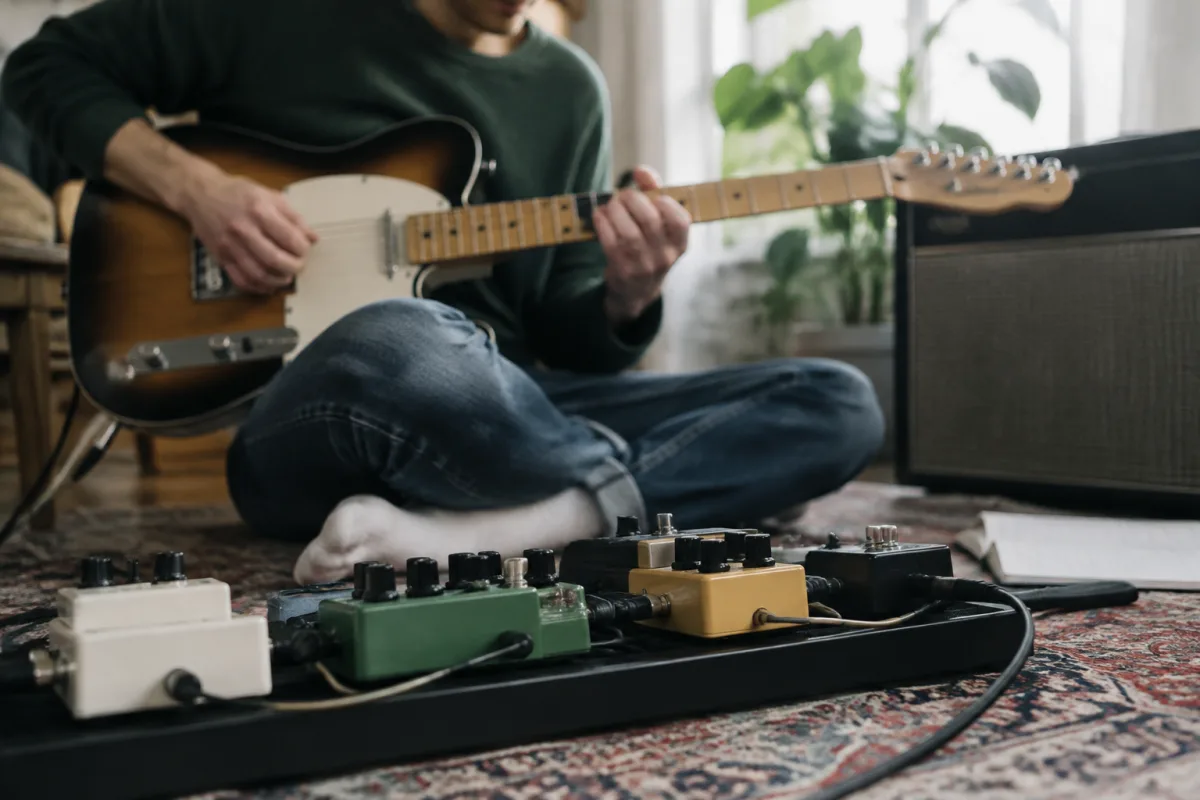
Starting your journey into guitar effects can feel intimidating, but Source Audio pedals offer an accessible entry point into professional-quality tone-shaping. If you're a beginner considering your first Source Audio pedal, you're making an excellent choice. Source Audio pedals are renowned for quality, versatility, and user-friendliness, making them ideal for musicians just beginning to explore effects. This beginner's guide offers encouragement, practical first steps, clear explanations of what Source Audio pedals do, and insider tips to help you avoid common beginner mistakes while building confidence with your new Source Audio pedal.
Why Source Audio Pedals Are Perfect for Beginners
You've chosen wisely if you're considering a Source Audio pedal as your first effects unit. Source Audio pedals combine professional-quality components with beginner-friendly interfaces, making them excellent learning tools. Each Source Audio pedal is intuitively designed—controls make sense, and the effects respond musically to your adjustments. Source Audio pedal construction is robust, withstanding the accidental drops and pedalboard rearrangements that characterise beginner setups. Most importantly, Source Audio pedals sound inspiring from day one. A quality effect motivates experimentation and learning; cheap effects discourage exploring. Investing in a Source Audio pedal as your first effect means you're starting with an instrument that grows with your skills.
The First Week with Your Source Audio Pedal
Your first week with a Source Audio pedal is about comfort and familiarity without pressure. Unbox your Source Audio pedal and read the included documentation—most Source Audio pedal manuals are clear and beginner-friendly. Place your Source Audio pedal on a flat surface and examine its controls. Each knob and switch on your Source Audio pedal controls specific parameters; identify what each does. Plug your Source Audio pedal into your power supply (ensure you're using correct voltage—most Source Audio pedals accept 9V or 12V). Connect your guitar to the input, your amp to the output. Turn on your Source Audio pedal, play some notes, and adjust controls slowly, listening to how each parameter affects your tone. This exploration builds confidence and removes mystery.
Essential First Steps to Get Started
Here are practical actions taking as you begin with your Source Audio pedal:
- Read Your Source Audio Pedal Manual: Each Source Audio pedal manual explains controls clearly. Spend time understanding your specific Source Audio pedal's design before diving into experimentation.
- Experiment with All Controls: On your Source Audio pedal, systematically adjust each knob and switch, listening carefully to how changes affect tone. This exploration teaches you what your Source Audio pedal can do.
- Find Your Source Audio Pedal Sweet Spot: Discover settings on your Source Audio pedal that sound inspiring to you personally. Your favourite Source Audio pedal settings may not match someone else's—personal preference matters.
- Use Your Source Audio Pedal in Context: Play complete songs with your Source Audio pedal engaged and disengaged, comparing how the effect changes your overall sound. Subtle effects sometimes sound better than extreme settings.
- Connect with Online Communities: Forums dedicated to Source Audio pedals feature experienced users happy to answer beginner questions. Online communities provide encouragement and practical advice for your Source Audio pedal journey.
- Watch Tutorial Videos: Many YouTube channels feature Source Audio pedal demonstrations and tutorials. Watching others use your Source Audio pedal pedal type teaches creative techniques.
Avoiding Common Beginner Effects Mistakes
Learning from others' experiences accelerates your Source Audio pedal mastery. Here are pitfalls to avoid:
- Using Extreme Settings: Your first impulse with a Source Audio pedal might be turning controls to maximum. Extreme settings often sound worse than moderate ones. Restraint produces more musical results with your Source Audio pedal.
- Overusing Your Effect: Beginners often enable their Source Audio pedal constantly. Most guitar music uses effects subtly—engage your Source Audio pedal for specific moments, not entire songs. Contrast between affected and unaffected passages makes effects more impactful.
- Ignoring Signal Path Considerations: Your Source Audio pedal's position in your signal chain affects how it interacts with your amplifier and other effects. Generally, dynamic processors (compression) appear early; time-based effects (delay, reverb) appear late. Position your Source Audio pedal correctly.
- Buying Unnecessary Accessories: You need a power supply for your Source Audio pedal and quality cables. Everything else is optional initially. Don't accumulate gear you don't need.
- Comparing Your Sound to Professionals: Professionals using Source Audio pedals have years of experience tweaking tone. The sounds you hear in professional recordings involve much more than Source Audio pedals alone. Focus on your own learning journey.
- Neglecting Your Amplifier: Your amplifier settings dramatically affect how your Source Audio pedal sounds. Spend time learning your amp's controls—they're equally important as your Source Audio pedal settings.
Understanding Your Source Audio Pedal's Parameters
Most Source Audio pedals feature intuitive controls mapping to natural parameters. A Source Audio pedal overdrive might feature Gain (amount of distortion), Tone (tonal character), and Level (output volume). A Source Audio pedal delay might have Time (duration between repeats), Feedback (number of repeats), and Mix (balance between original and effect). Understanding what parameters do on your Source Audio pedal makes experimentation productive. Consult your Source Audio pedal manual for specific parameter explanations—manufacturer documentation is authoritative and clear.
Playing Techniques That Highlight Your Source Audio Pedal
Some playing techniques highlight what your Source Audio pedal offers better than others. Light picking with effects like reverb or modulation highlights the effect subtly. Aggressive picking with overdrive or distortion emphasises the effect. Some Source Audio pedal types reward varying your playing technique—pick attack dynamics become audible through your effect. Experiment with different playing styles on your Source Audio pedal, discovering which techniques suit your musical goals.
Building Your Effects Chain Gradually
Beginning with a single Source Audio pedal is wise. As you develop comfort with your Source Audio pedal, you might add complementary effects. Effects interact with each other—placing your Source Audio pedal before or after other effects changes the result. Professional pedalboards contain multiple effects in carefully planned signal chains, but begin simply. One inspiring Source Audio pedal beats three mediocre effects. Master your current Source Audio pedal before expanding.
Troubleshooting Common Issues
Beginners occasionally encounter issues with their Source Audio pedal setup. Ensure your Source Audio pedal is powered correctly—most Source Audio pedals require 9V power supplies. Check all cable connections. Confirm your amp volume isn't dangerously loud when your Source Audio pedal engages. If your Source Audio pedal sounds thin or lifeless, experiment with tone and mix controls. If your Source Audio pedal sounds muddy, try reducing gain settings. Most issues have simple solutions; consult your Source Audio pedal manual or online communities if you're stuck.
The Path Forward with Your Source Audio Pedal
You're not starting alone with your Source Audio pedal. Countless musicians have begun exactly where you are now, felt uncertain, persisted, and discovered incredible joy in tone-shaping. Your Source Audio pedal is ready to partner with you through this learning adventure. Use it regularly, experiment boldly, celebrate discoveries, and enjoy the creative possibilities effects offer. Before long, your Source Audio pedal will feel natural. For deeper exploration of Source Audio pedal capabilities and other effects, visit our comprehensive guide to Source Audio pedals to understand the full potential of your instrument and effects ecosystem.


Comments