


Roland Jupiter 8 Buying guide
Roland Jupiter 8: A Complete Buyer's Guide
The Roland Jupiter 8 is a legendary synthesizer with legendary pricing. Here's what to know before buying one.
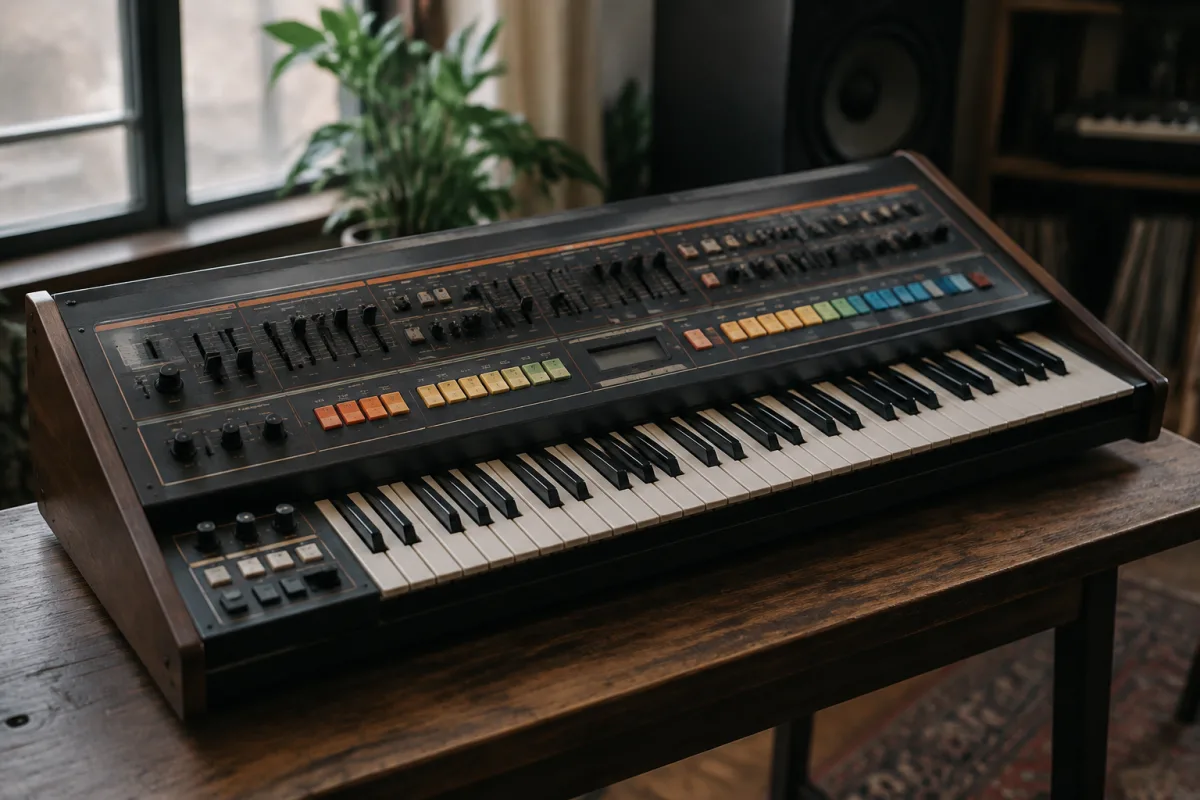
The Roland Jupiter 8 is a legendary synthesizer—a studio workhorse and live performance powerhouse that's shaped popular music for decades. For buyers considering a roland jupiter 8, understanding what makes it special, what to inspect before purchase, and whether it suits your workflow is essential. This guide demystifies the roland jupiter 8 and helps you decide if owning one fits your musical ambitions and budget.
Why the Roland Jupiter 8 Matters
A roland jupiter 8 is not just a keyboard; it's a sonic statement. Built in the early 1980s and still manufactured in updated form today, the roland jupiter 8 represents the pinnacle of polyphonic analog synthesis. Its warm, lush pads and punchy basses have defined the sound of dance, new wave, rock, and experimental music. When you buy a roland jupiter 8, you're acquiring an instrument that sounds unmistakably like itself—instantly recognisable and inspiring to players worldwide.
Versions of the Roland Jupiter 8
Prospective buyers should understand the different roland jupiter 8 versions available:
- Original Jupiter 8 (1981–1989): Vintage units priced £5,000–£15,000+ depending on condition and rarity. Original roland jupiter 8 units are collectable.
- Jupiter 8A (1985–1989): An improved version with better voice memory. Still vintage; slightly more common than the original Jupiter 8.
- Roland Jupiter 8 plugin/software emulation: Digital replicas for your DAW, typically £100–£400. Capture the sound but lack the tactile experience of hardware.
- Roland Jupiter Xm (modern reissue, 2023+): A new take combining the Jupiter 8 engine with modern workflow. Priced around £4,000–£5,000, representing the most accessible path into dedicated roland jupiter 8 sound.
Key Specifications to Understand
When evaluating a roland jupiter 8, these specs determine what you'll actually get:
- Polyphony: The roland jupiter 8 offers 8-voice polyphony—meaning up to 8 notes play simultaneously. This is limiting for some styles, perfect for others. Know whether your music fits.
- Oscillator count: Two DCOs (digitally controlled oscillators) per voice. The roland jupiter 8 can stack and detune them for thick, characterful tones or keep them clean and focused.
- Filter design: A Curtis Electronics CEM3320 filter is the heart of roland jupiter 8 sound. It resonates freely, self-oscillates musically, and is fundamental to why a roland jupiter 8 sounds like a roland jupiter 8.
- Memory: Original roland jupiter 8 units have limited patch storage (64 patches). This isn't a limitation—it forces you to know your machine intimately.
- Keyboard:
What to Check When Inspecting a Used Roland Jupiter 8
Vintage hardware means condition matters enormously. These checks separate a wise purchase from a money pit:
- Power-on and startup: Does the roland jupiter 8 power on immediately? Any popping, crackling, or humming during startup suggests repair needs.
- Keyboard response: Play across the entire keyboard range. Every key on your roland jupiter 8 should respond consistently. Dead or stuck keys are expensive to fix.
- Knob and slider smoothness: Roland Jupiter 8 controls should move smoothly without scratching or jumping. Scratchy pots need recapping.
- Voice uniformity: Each voice on the roland jupiter 8 should respond identically. Differences suggest voice card issues or age-related drift.
- Pitch and modulation: Test the pitch wheel and modulation wheel on your roland jupiter 8. Both should return to centre smoothly.
- Memory backup: Does your roland jupiter 8 retain patches when powered off? Battery-backed RAM failure is common on vintage units.
- Condition of exterior: Cosmetic wear on a roland jupiter 8 is acceptable; structural cracks, corrosion, or replacement hardware suggest hard touring history.
Common Pitfalls for Roland Jupiter 8 Buyers
Prospective purchasers should avoid these mistakes:
- Overlooking servicing costs: A roland jupiter 8 purchased without recent service may need voice recapping, filter tuning, and battery replacement within a year. Budget £500–£2,000 for professional maintenance.
- Assuming software emulations match hardware: Roland Jupiter 8 plugins are convenient but lack the tactile immediacy and unique sonic character of hardware. They're tools, not substitutes.
- Ignoring polyphony limitations: Eight voices sounds abundant until you play complex chords or layered patches. Understand how this limits your workflow before committing.
- Neglecting patch documentation: A roland jupiter 8 without patch maps or notes is harder to learn. Always request documentation from the seller.
- Buying based on legendary stories alone: A roland jupiter 8 is an instrument, not a magic wand. It inspires, but your musicianship and sound design skills determine your output.
Budget Expectations for Roland Jupiter 8
Pricing varies widely based on version and condition. Expect £5,000–£15,000 for original roland jupiter 8 hardware; £1,000–£5,000 for later versions in good condition. A modern roland jupiter 8 reissue costs around £4,000–£5,000. Factor in servicing costs when budgeting for vintage hardware.
Is a Roland Jupiter 8 Right for You?
A roland jupiter 8 rewards musicians who commit to understanding synthesis deeply. If your music thrives on sonic experimentation, lush pads, or that unmistakable analog warmth, a roland jupiter 8 might be essential. If you need MIDI integration, unlimited polyphony, and quick workflow, a modern workstation or DAW-based setup may suit you better.
For complete technical details, sonic comparisons with other synthesizers, and the full history of the roland jupiter 8, explore the complete guide to the Roland Jupiter 8. When ready to buy, locate multiple examples, inspect thoroughly, and factor in maintenance costs. The right roland jupiter 8, treated with respect, becomes an instrument that inspires creativity for decades.


Comments