


Roland 808s Buying guide
Roland 808S: A Complete Buyer's Guide
The Roland 808 and 909 shaped modern music production. This buying guide covers the sonic differences between models, vintage versus modern alternatives, and practical considerations for any producer.
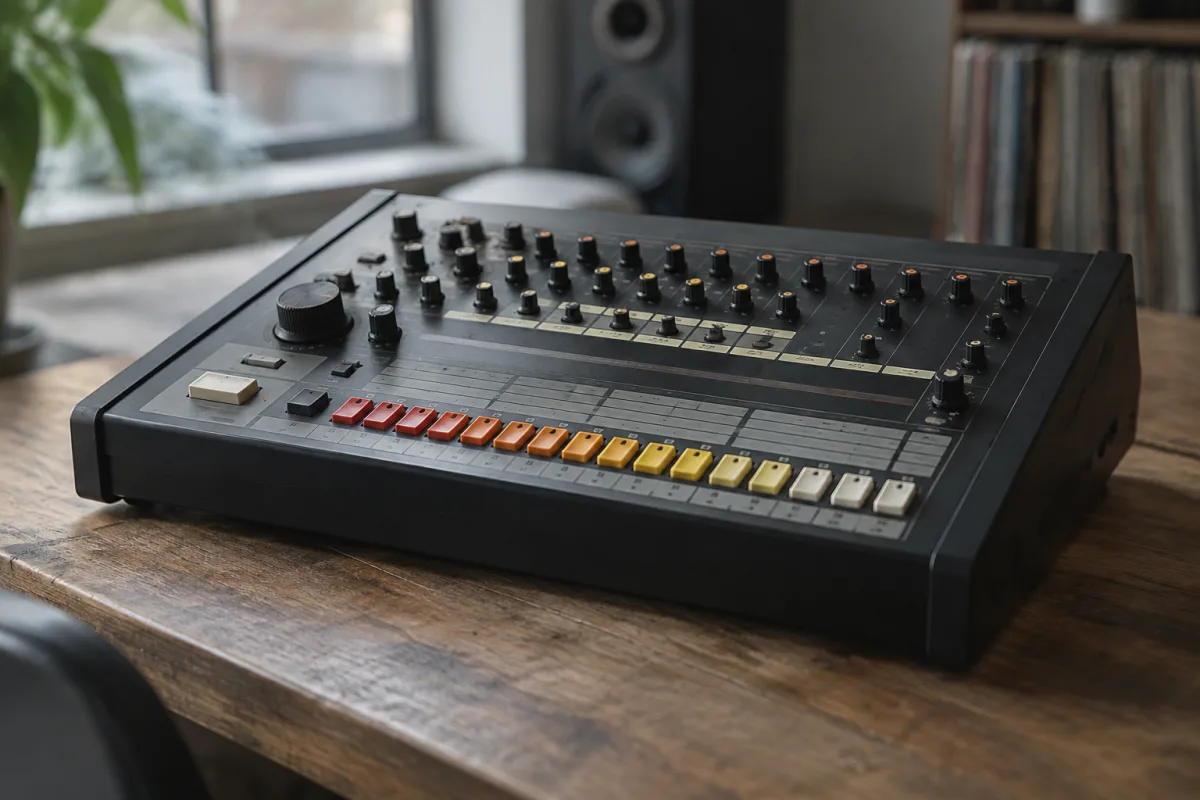
Understanding Roland 808s and 909s: Drum Machine Essentials
When musicians mention "808s" (or 909s), they're referring to legendary Roland drum machines—compact, affordable devices that shaped modern music, from hip-hop to techno. If you're considering buying one, whether an original or a modern recreation, understanding the options, sonic characteristics, and practical considerations will guide you toward the right choice for your music.
The Roland TR-808 vs. TR-909: Key Differences
The Roland TR-808 (1980) and TR-909 (1983) are the most sought-after drum machines ever made. While related, they have distinct characteristics:
Roland TR-808
Sound: Warm, analogue, deeply electronic. Famous for sub-bass 808 drums and booming kick that defines hip-hop, trap, and electronic music. Cymbals and hi-hats sound metallic and artificial—perfectly suited to electronic music aesthetics.
Build: Simple interface, 16-step sequencer, minimal controls. User-friendly for beginners; programmable patterns are intuitive.
Use case: Hip-hop, trap, R&B, electronic music, lo-fi. Any style embracing vintage, deeply electronic drum sounds.
Roland TR-909
Sound: Closer to acoustic drums. Crisp, punchy kick; natural-sounding percussion. Favourite in techno, rave, industrial, and drum-and-bass, where precise timing and realistic drums matter.
Build: More complex than the 808. Better timing stability. More professional sequencing options.
Use case: Techno, rave, drum-and-bass, any style requiring tight, acoustic-like percussion.
The practical difference for buyers: The 808 is iconic for hip-hop and electronic music; the 909 is industry-standard for techno and live performance. Your genre choice largely determines which suits you.
Buying Options: Original vs. Modern Alternatives
Vintage Originals (1980s–1990s)
Cost: £2,500–£8,000+ depending on condition and rarity.
Pros: Authentic sound, investment value, legendary status. Owning an original is prestigious.
Cons: Requires maintenance, parts are expensive, reliability varies by age, no warranty. Risk of failure during crucial performances or recording sessions.
Best for: Collectors, studios with budget for restoration, musicians who prioritise authenticity and are willing to risk equipment failure.
Modern Alternatives and Clones
Today, multiple affordable options replicate the 808/909 sound and interface:
- Roland TR-8 (£800–£1,200): Compact recreation of both 808 and 909 sounds. Digital emulation, excellent build quality, deep sequencing. Ideal for most musicians.
- Korg Volca Drum (£150–£250): Tiny, battery-powered, sub-bass focused. Great for bedroom producers, live jamming, and portability.
- Teenage Engineering OP-1 Field (£600+): Multi-instrument, includes drum machine emulation. Complex but powerful for experimental producers.
- Software emulations (£20–£100): Plugins for DAWs (logic, Ableton, etc.). Affordable, portable, no hardware to maintain. Lack the tactile control of hardware.
Key Specifications to Evaluate
When comparing drum machines, consider:
- Sound engine: Analogue (warm, classic, require maintenance) vs. digital (stable, programmable, consistent). Modern alternatives are digital but emulate analogue sound convincingly.
- Sequencer: Step-based (16-step is standard), can be built into the device or controlled externally via MIDI.
- Outputs: Individual drum outs (so you can process kick separately from snare, for example) vs. stereo out (everything mixed to two channels). Individual outs offer more flexibility.
- MIDI compatibility: Can the machine receive MIDI clock (timing) from external sequencers or DAWs? Essential for integration into modern rigs.
- Portability: Battery vs. AC power, size, weight. Korg Volca is pocket-sized; original 808 requires a table.
Sound Character and Tone Shaping
The 808 is famed for its adjustable sub-bass kick. Unlike acoustic kick drums with fixed pitch, the 808 kick can be tuned, shaped, and detuned for creative effects. This flexibility is part of its legend.
The 909 offers more natural-sounding, acoustic-emulating drums. For hip-hop producers seeking iconic bass, the 808 is standard. For techno producers wanting punchy, realistic drums, the 909 is classic.
Examine sound demos online from different machines to hear the character differences. Sonic preference is personal—one person's "perfect bass" is another's "too boomy."
Connectivity and Integration
If you're integrating a drum machine into a modern production setup:
- MIDI input: Allows external sequencers or DAWs to trigger drums. Essential for most contemporary workflows.
- Sync output: If you're triggering other gear from your drum machine.
- Audio outputs: At minimum, stereo 1/4-inch or RCA. Individual drum outs (kick, snare, hi-hat, percussion separate) are preferable for mixing flexibility.
Modern alternatives (TR-8, Volca) handle MIDI seamlessly. Vintage originals may require adapters or are MIDI-incompatible—something to verify before buying used gear.
Price Tiers and Value
- Budget (£150–£300): Compact drum machines (Korg Volca, Electibe) or software plugins. Limited features but legitimate sound. Entry-level choice.
- Mid-range (£500–£1,200): Roland TR-8, modern alternatives. Excellent value—full features, reliable build, affordable price. Best for most musicians.
- Vintage original (£2,500+): Authentic vintage 808 or 909. Premium for rarity and prestige. Collectors and studios only.
For value, modern alternatives win decisively. A Roland TR-8 offers superior reliability, easier integration, and nearly identical sound to a vintage 909, at a fraction of the cost.
Common Buying Mistakes
- Assuming vintage = better: Modern emulations sound nearly identical to originals and offer greater stability and flexibility. "Vintage" is prestige, not sonic superiority.
- Ignoring MIDI: If you're producing with a DAW, MIDI compatibility is crucial. Choosing a non-MIDI machine limits your workflow.
- Underestimating learning curve: Vintage machines require menu diving for customisation. Modern units are intuitive. If you want quick results, modern is better.
- Not considering portability: If you're gigging, bedroom producing, or travelling, compact and battery-powered (Volca) is game-changing. Desktop machines (original 808) are studio-only.
- Overpaying for rarity: Rare colours or limited editions fetch premium prices. Sound and features are identical to standard versions. Don't pay extra for aesthetics unless you have budget to spare.
Making Your Decision
Start by identifying your use case:
- Hip-hop or trap producer: The 808 aesthetic is essential. Roland TR-8, Korg Volca Drum, or software emulation. Budget £150–£1,200.
- Techno or electronic live performer: Roland TR-909 aesthetic. TR-8 or original 909 if budget allows. Prioritise MIDI and real-time controls.
- Casual bedroom producer: Korg Volca (portable, affordable) or software (most cost-effective). Try before committing to hardware.
- Studio collector seeking authenticity: Original 808 or 909 if budget allows. Accept the maintenance burden and premium price.
Unless you have specific reasons to buy original (collector status, studio prestige), modern alternatives deliver superior value and practicality. A Roland TR-8 or Korg Volca will serve you excellently and cost a fraction of a vintage original.
For detailed comparisons, workflow integration, and sound examples of specific machines, read our comprehensive guide to Roland 808s and related drum machines.
FAQ
Q: Is an original Roland 808 worth the money?
A: For collectors or studios, yes. For most musicians, modern alternatives (TR-8, Volca) sound nearly identical and cost far less. Buy vintage for prestige; buy modern for practicality.
Q: Can I use 808 drums in genres other than hip-hop?
A: Absolutely. The 808 is used in pop, R&B, electronic music, industrial, and experimental. Any style can benefit from the signature bass and character.
Q: What's the difference between TR-808 and 909 sounds?
A: 808 = warm, boomy, electronic, sub-bass focused. 909 = crisp, punchy, acoustic-leaning. 808 is hip-hop standard; 909 is techno standard.
Q: Can I control a drum machine from my DAW?
A: Yes, via MIDI if the drum machine supports it. Modern alternatives (TR-8, Volca) all support MIDI. Vintage originals often don't.
Q: Is a hardware drum machine better than software?
A: Different tools for different workflows. Hardware offers tactile control and dedicated focus; software is portable and affordable. Many producers use both.
Q: Do I need individual outputs if I'm just recording to stereo?
A: No. Stereo out is fine for live performance. Individual outputs matter only if you're recording each drum separately (kick, snare, etc.) and processing them independently.


Comments