


Roland 2000 Buying guide
Roland 2000: A Complete Buyer's Guide
Buying a Roland 2000? This guide covers specifications, vintage alternatives, price tiers, and what to check before investing in Roland 2000 equipment.
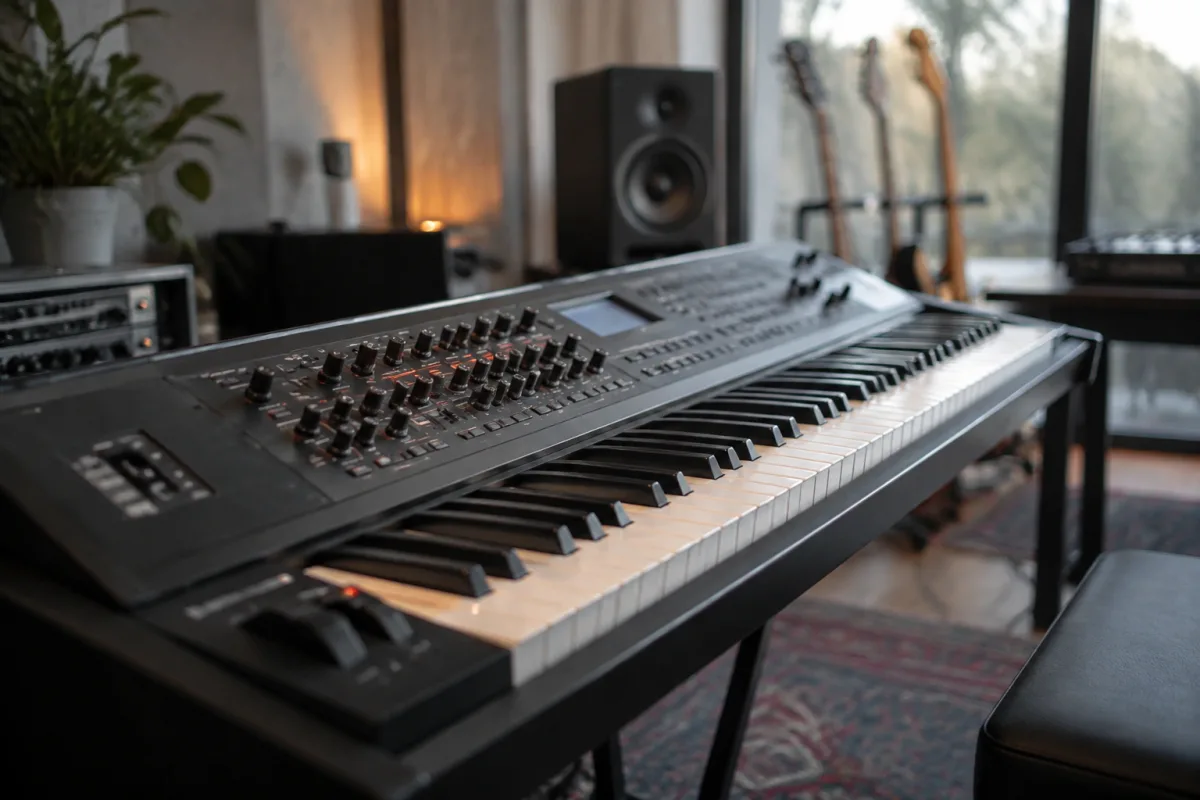
Roland 2000 synthesisers and samplers are legendary instruments beloved by professional producers and enthusiasts worldwide. Whether you're considering a vintage Roland 2000 model for serious studio work or exploring modern alternatives inspired by that classic lineage, understanding what makes these instruments valuable—and what pitfalls to avoid—transforms your buying decision. This comprehensive guide breaks down specifications, helps you identify quality examples, and shows you how to evaluate Roland 2000 equipment across different budget levels and use cases.
Understanding Roland 2000 Equipment: Model Overview
Roland 2000 instruments represent a golden era of digital synthesis and sampling. The Roland 2000 series and related products offer exceptional sound design capabilities, robust build quality, and enduring market value. Roland 2000 instruments made decades ago still perform flawlessly, resisting the technological obsolescence that plagues many consumer electronics. This durability is key to their appeal—a Roland 2000 bought today can serve your music production for years to come. Understanding this legacy helps you appreciate why Roland 2000 equipment commands respect and investment-grade pricing in both new and secondhand markets.
Critical Specifications for Roland 2000 Instruments
When evaluating Roland 2000 equipment, these specifications directly impact functionality and value:
- Voice Count and Polyphony: Roland 2000 synthesisers typically offer 16, 32, or unlimited polyphonic voices. Higher polyphony allows more complex layering and prevents note dropouts during demanding performances. Check the specifications for your intended use case.
- Memory Capacity: Roland 2000 models vary in onboard memory for patch storage and sample capacity. Verify how many user patches the instrument can store—this determines workflow flexibility and prevents constant overwriting of favourite sounds.
- Sampling Specifications: If your Roland 2000 model includes sampling, check the maximum sample length, bit depth (16-bit standard, 24-bit on newer models), and sampling rate (44.1 kHz and 48 kHz are professional standards). These determine recording quality and storage capability.
- Connectivity: Look for MIDI in and out, audio inputs and outputs (mono and stereo), USB connectivity on newer models, and S-Video or other display outputs. Roland 2000 equipment with comprehensive connectivity integrates seamlessly into modern studios.
- Build Quality Indicators: Roland 2000 synthesisers feature metal frames, high-quality faders and knobs, and sealed switches that resist dust and degradation. These construction details indicate longevity and reliability.
Vintage vs. Modern Roland 2000: Making Your Choice
Vintage Roland 2000 instruments carry collectible appeal and often sound warm, characterful, and revered by producers who specifically seek that vintage aesthetic. A 1990s Roland 2000 synthesiser has proven longevity—it's survived 20+ years of use. Modern Roland-inspired instruments offer updated interfaces, extensive connectivity, and warranty support. Your choice depends on priorities. Are you seeking the specific vintage character and proven durability of an older Roland 2000? Or do you prefer the convenience and support of newer equipment? Both paths lead to excellent results.
Price Tiers: Budget, Mid-Range, and Professional Roland 2000
| Tier | Price Range | Roland 2000 Models/Alternatives | Best For |
|---|---|---|---|
| Budget Learning | £100-300 | Older entry-level Roland keyboards with sampling; software emulations | Students, bedroom producers, testing before committing to professional Roland 2000 equipment |
| Serious Amateur | £300-700 | Mid-range vintage Roland 2000 models; modern Roland alternatives | Hobbyists, semi-professional producers creating finished recordings |
| Professional | £700-1500 | High-end vintage Roland 2000 synthesisers; professional modern Roland gear | Recording studios, professional producers, touring musicians |
| Collector's Premium | £1500+ | Rare vintage Roland 2000 variants; mint-condition classics; limited editions | Collectors, studios prioritising specific vintage tone, artists investing in iconic gear |
Evaluating Used Roland 2000 Equipment: What to Check
- Sound Quality: Test the Roland 2000 instrument thoroughly. Play all voices, trigger sustained notes, and listen for artefacts, noise, or character loss. Degraded synthesiser chips sometimes create subtle sonic defects that compound over time.
- Physical Condition: Inspect the Roland 2000 for cosmetic damage, battery corrosion (if it uses backup batteries for patches), and fader resistance. Scratchy or unresponsive faders indicate aging and may require professional servicing.
- Connectivity: Test all audio connections (insert cables, test audio in and out), MIDI connectivity (use a controller to trigger the Roland 2000), and any USB or digital connections. Defective ports are expensive to repair.
- Storage Integrity: Verify the Roland 2000 retains patches when powered off. If patches disappear after powering down, the backup battery or memory is failing—a costly repair.
- Screen and Display: Check the Roland 2000's display (if equipped). Dim or corrupted displays aren't fatal—the instrument still works—but indicate age and possible capacitor degradation.
- Warranty and Support: Understand whether your Roland 2000 comes with warranty. Professional repairs can cost £200+ if the instrument develops issues. Factor this into your budget.
Common Pitfalls: Mistakes That Waste Money
- Buying Roland 2000 equipment for the wrong reason: If you're attracted to vintage gear purely for its aesthetic or collectibility, remember you'll use it constantly in your workflow. Only invest if the sound serves your music.
- Ignoring connectivity limitations: Older Roland 2000 models lack USB or modern MIDI standards. If your studio is built around USB and modern protocols, vintage Roland 2000 equipment will frustrate you despite excellent sound quality.
- Neglecting maintenance history: Ask whether your Roland 2000 has been serviced professionally, updated with modern components, or left untouched. Serviced instruments command higher prices but offer reliability; unserviced instruments are cheaper but carry hidden risks.
- Underestimating the learning curve: Roland 2000 synthesisers from decades past often use complex interface layouts. Budget time for learning the instrument, or factor in classes/tutorials to your investment.
- Assuming all Roland 2000 instruments are collectible: Some models have limited appeal. Research your specific Roland 2000 model before buying, verifying it holds value and offers sounds your music actually needs.
- Skipping professional evaluation for expensive Roland 2000 gear: If you're spending over £500 on vintage Roland 2000 equipment, pay a qualified tech £50-100 to evaluate it before purchase. This prevents catastrophic repair costs.
Integration Into Modern Studios
Integrating a Roland 2000 synthesiser into a contemporary production setup is remarkably straightforward. Connect audio outputs to your audio interface, use MIDI cables (or USB adapters for modern workflow) to trigger the Roland 2000 from your DAW or MIDI controller, and route the synthesiser through your mixing console. Many producers intentionally combine vintage Roland 2000 equipment with modern digital tools, capturing the analogue warmth and character that defines professional productions. Your Roland 2000 doesn't need to be your only instrument—it becomes a unique sonic colour in your palette.
Long-Term Value and Resale Considerations
Quality Roland 2000 instruments hold or appreciate in value over years. Unlike budget synthesisers that depreciate rapidly, professional Roland 2000 equipment often costs nearly as much to sell as you paid if maintained well. This means your initial investment isn't wasted—you can recoup significant value when you eventually upgrade. This financial durability, combined with sonic integrity, makes Roland 2000 a smart long-term purchase for serious musicians.
Getting Started With Your Roland 2000
Once you've acquired your Roland 2000 instrument, invest in quality audio cables, secure a reliable power supply, and dedicate time to exploring the onboard sounds and editing capabilities. Read user manuals (often available free online) and watch tutorial videos. Join Roland 2000 user communities online—you'll gain insights from other owners and learn production techniques tailored to your specific model. For comprehensive guidance on Roland 2000 models, specifications, and production techniques, explore our complete guide to Roland 2000 equipment, which covers all major models and shows how professional producers integrate Roland 2000 synthesisers into their workflows.
Your Next Step: Making the Leap
If you've been considering a Roland 2000 instrument, stop hesitating. Start by listening to professional recordings featuring Roland 2000 sounds. Does that character inspire you? Can you imagine that sonic signature in your own productions? If yes, begin researching specific Roland 2000 models that fit your budget and studio setup. Test instruments at retailers or through secondhand marketplaces. Once you've played a Roland 2000 that clicks, make the investment. The learning curve is real, but the reward—the ability to create music that sounds distinctly yours—is worth every moment.



Comments