


Reverb Guitar article
Reverb Guitar for Beginners: A Complete Guide
Reverb doesn't have to be intimidating. This beginner's guide walks you through what reverb does, how to use it, and the common mistakes to avoid as you start exploring.
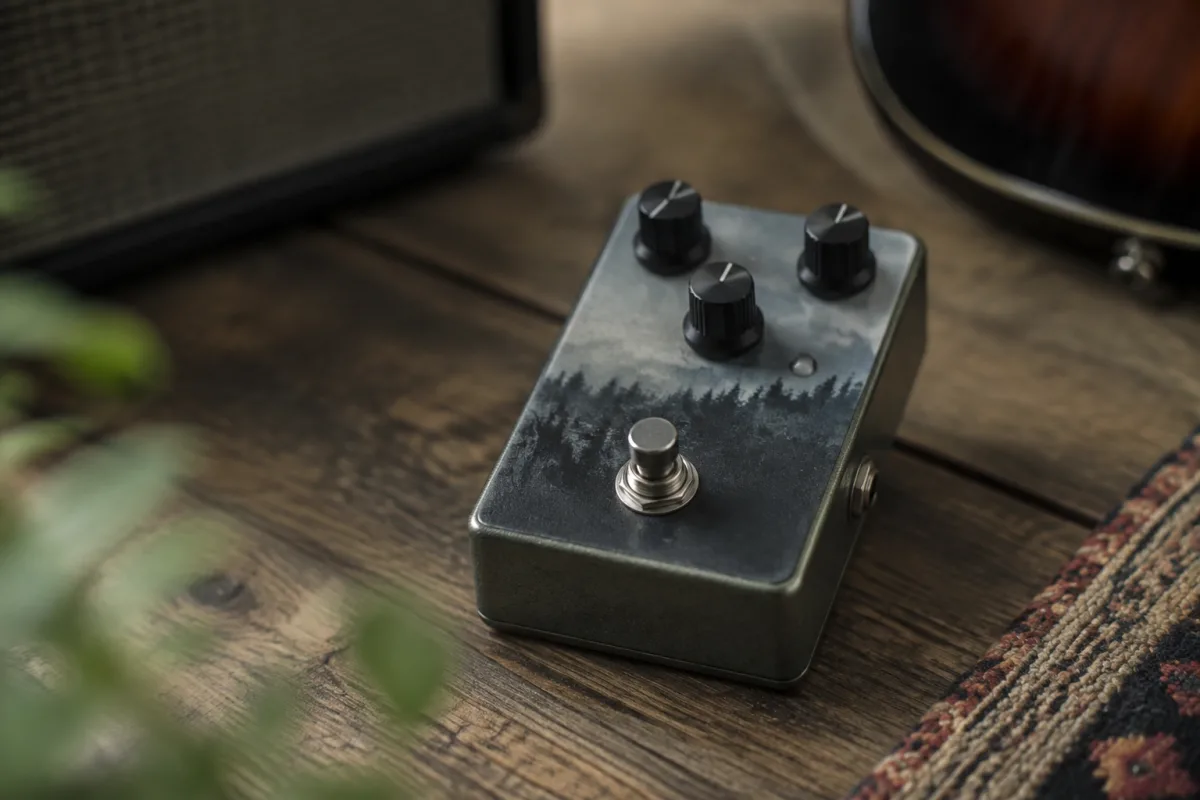
If you're just starting your guitar journey and reverb sounds like a mysterious effect everyone keeps raving about, you're in the right place. Reverb doesn't have to be confusing or expensive—in fact, the best way to begin is to understand what it actually does to your sound, then find the simplest way to add it to your rig. This guide walks you through your first steps into reverb territory, without the jargon or the price shock.
What Reverb Actually Does (and Why You'll Love It)
Think of reverb as the natural sound of a room. When you play a note in a cathedral, the sound bounces off the walls and you hear echoes and richness. A reverb pedal recreates that effect digitally or with springs. The beauty of reverb for beginners is that it instantly makes your playing sound bigger, more polished and more inspiring—even if you're still learning basic chords.
Reverb won't fix timing issues or make your technique sound perfect, but it will make whatever you play sound more musical and spacious. That's genuinely rewarding when you're practising at home.
Starting Simple: Your Three Easiest Options
You have three paths to reverb as a beginner, each with a different price and commitment level.
- Built-in amp reverb: If your amplifier has a reverb knob or switch, you're done. Turn it on, adjust the mix dial, and you're experiencing real reverb. This is free and worth exploring first.
- A single reverb pedal: A dedicated reverb pedal (roughly £40–80) sits on your pedalboard and gives you hands-on control. Spring reverb (that warm, vintage sound) and hall reverb (big and cavernous) are the best starting types for beginners.
- A multi-effects unit: If you want reverb plus other effects (delay, chorus, distortion) all in one box, a beginner-friendly unit like a Boss ME-50 or Zoom G1X offers reverb and much more for £100–150.
Honest advice: start with your amp's built-in reverb if it has one, or pick up a cheap single reverb pedal. Playing around with reverb is the fastest way to develop your ear for what works with your playing style.
The Absolute Basics: Three Dials You Need to Know
Most reverb pedals have only three controls, so you won't feel overwhelmed:
- Mix (or Wet/Dry): How much reverb you hear versus your dry (no-effect) tone. Start at 30–40% and adjust by ear.
- Decay (or Tail): How long the reverb "rings" after you play a note. Shorter decay (0.5–1 second) keeps things tight; longer decay (2+ seconds) creates a dreamy, spacious effect.
- Type: Different reverb sounds. Spring is warm and woody; hall is huge and cathedral-like; plate is smooth and professional; room is small and intimate. Spring and hall are perfect for beginners.
You don't need to understand the science—just turn the dials and listen. Your ears will tell you what sounds good.
Four Beginner Mistakes to Avoid
Learning from others' stumbles will save you time and headaches:
- Too much reverb: The most common trap. A little reverb sounds magical; too much sounds like you're playing in an empty swimming pool. Start conservatively and gradually turn it up.
- Long decay with fast playing: If you play quick note sequences (like runs or arpeggios) with a decay longer than 2 seconds, the reverb will blur everything together and make it sound muddy. Match your decay to your playing speed.
- Forgetting to use reverb as a dynamic tool: You don't have to have the same amount of reverb on all the time. Try setting a lower mix for rhythm parts and a higher mix for solos or ambient passages. It keeps your playing interesting.
- Buying a reverb pedal without trying it first: Reverb is deeply personal—what sounds great to one guitarist might feel wrong to another. If you can, try a friend's pedal or listen to YouTube demos before you buy.
Your First Week: A Simple Practice Plan
Don't overthink it. Here's what to do:
- Turn on your amp's reverb (or connect your new pedal) and set it to a medium decay and a subtle mix.
- Play the same chord progression you practice daily, and notice how reverb changes the feel.
- Experiment with one control at a time (mix, then decay, then type) so you understand what each does.
- After a few days, try a longer decay and see how it affects how you hold notes and rhythm.
- Once you're comfortable, explore different reverb types and find your favourite.
Within a week, reverb will stop feeling like an alien effect and start feeling like part of your sound.
Reverb and Your Setup: A Word on Placement
If you're building a pedalboard, reverb traditionally goes near the end of your effect chain, after distortion, delay and modulation. The reason: reverb works best when applied to the whole mix, not just one effect. However, rules are made to be broken in the studio or bedroom—if you like reverb early in your chain, use it there. Experiment.
Connecting it is simple: guitar into reverb, reverb into amp (or into your next pedal, then amp). No special cables needed. If you're using a multi-effects unit, everything is built in.
Next Steps: Where to Go from Here
Once reverb feels natural to you, the door opens to exploring other effects—delay (which pairs beautifully with reverb), chorus, and modulation. For deeper exploration of the reverb family, including advanced types and studio reverb techniques, check out the comprehensive guide to guitar reverb, which covers buying and comparing reverb pedals in detail.
But for now, trust that reverb is simpler than it seems, and the best way to learn is by playing. Put it on, play your favourite riff, and listen to how the room comes alive around your guitar.


Comments