


Reverb Guitar Buying guide
Reverb Guitar: A Complete Buyer's Guide
Selecting the right reverb guitar pedal adds space and dimension to your tone. This comprehensive buyer's guide covers reverb types, specifications, price ranges, and features to help you find the ideal reverb guitar effect.
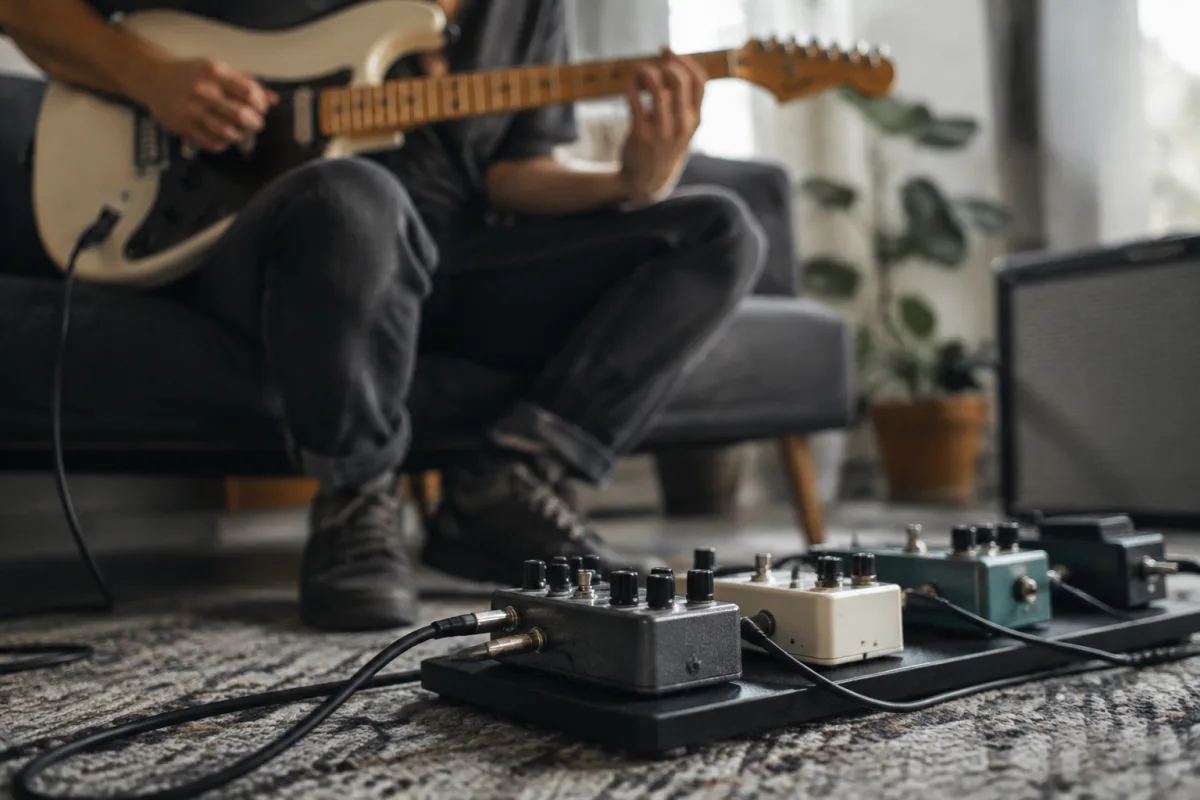
Reverb guitar effects transform your tone by adding space, depth, and dimension to your playing. Whether you're after a subtle room ambience or explosive plate reverb, selecting the right reverb guitar pedal is crucial to achieving your desired sound. With dozens of options ranging from budget-friendly digital units to premium boutique designs, understanding what to look for when purchasing reverb guitar equipment will help you make an informed choice that suits your playing style and budget.
Understanding Reverb Types for Guitar
Different reverb guitar algorithms create distinctly different sonic characteristics. Spring reverb produces a bright, metallic shimmer—historically the sound of guitar amplifiers—and remains popular for vintage tones. Plate reverb delivers a smooth, sophisticated decay perfect for ambient and atmospheric playing. Room reverb simulates small to medium acoustic spaces, ideal for realistic ambience without overwhelming your dry signal. Hall reverb creates cathedral-like expansiveness, excellent for dramatic effects and soundscapes. Reverse reverb plays the decay backwards, generating surreal, otherworldly textures. When shopping for reverb guitar pedals, choose designs that offer the reverb types matching your musical vision.
Key Specifications When Buying Reverb Guitar Pedals
Several critical specifications distinguish quality reverb guitar units from mediocre options. Decay time—how long the reverb tail persists—ranges from under one second to several minutes. Longer decay times suit ambient and experimental playing, whilst shorter decays work better for rock and pop. Pre-delay, the gap between your dry signal and reverb onset, adds depth; longer pre-delays suit spacious, hi-fi reverb guitar styles. Mix or wet/dry ratio controls how much reverb colours your sound; subtle ratios preserve your original tone, whilst higher ratios create immersive soundscapes. Resolution indicates whether the reverb algorithms sound natural and hi-fi or processed and electronic—higher resolution algorithms justify premium pricing.
Price Ranges and Value for Money
| Price Band | Best For | Reverb Guitar Features | Example Products |
|---|---|---|---|
| £40-80 | Bedroom players, first-time buyers | 1-2 reverb types, limited controls, basic algorithms | Budget digital pedals, multi-effects units |
| £80-180 | Gigging musicians, serious hobbyists | 3-5 reverb types, full control set, decent algorithms | Boss TR-2, Zoom G1X Four |
| £180-400 | Professional performers, recording artists | 6+ reverb types, premium algorithms, expression pedal support | Boss RV-500, Eventide H9 |
| £400+ | Premium sound seekers, studio professionals | Boutique algorithms, premium construction, extensive tweaking, vintage heritage | Strymon Big Sky, TC M100 |
Reverb Guitar Pedal Format Considerations
Reverb guitar effects come in several physical formats, each with different practical implications. Stompbox pedals integrate easily into pedalboards alongside other effects, offering tactile control and road durability. Multi-effects units contain reverb guitar capabilities along with delays, modulation, and distortion—perfect for players seeking comprehensive sound-shaping without multiple pedals. Rack-mounted reverb guitar processors suit studio work and large touring setups but lack portability. Desktop units offer compromise: powerful reverb guitar algorithms in compact, sturdy chassis. Consider your performance environment and pedalboard space when selecting the appropriate format.
Digital vs. Analogue Reverb Guitar Options
Digital reverb guitar pedals dominate modern markets, offering versatility, multiple algorithms, and compact designs. They excel at delivering pristine, hi-fi reverb guitar sounds and often include additional features like presets and expression pedal compatibility. Analogue reverb guitar designs, based on spring or plate mechanical systems, produce characteristic warmth and naturally pleasant decay curves. True spring reverb guitar units require careful handling and are sensitive to temperature changes, whilst emulated spring reverb in digital pedals provides practical convenience. For most players, quality digital reverb guitar pedals provide superior value and flexibility.
Critical Features to Evaluate
Preset storage allows you to save custom reverb guitar settings for different songs and venues—essential for touring musicians. Expression pedal inputs enable real-time reverb guitar effect manipulation; particularly useful for dynamic performances and spatial experimentation. Stereo inputs and outputs transform reverb guitar into immersive, spacious experiences, though they require stereo amplification to fully realise their potential. Tap tempo functions synchronise reverb guitar decay timing with your song's tempo, creating cohesive rhythmic integration. Bypass switching—whether true bypass or buffered bypass—affects your tone when the reverb guitar effect is disengaged; true bypass preserves your uncoloured signal.
Common Reverb Guitar Buying Mistakes
Don't prioritise raw algorithm count over sound quality—ten mediocre reverb guitar algorithms prove less useful than three exceptional ones. Avoid purchasing maximum decay time you'll never use; excessive ambience muddies most musical contexts. Don't underestimate the importance of intuitive control layouts; complex reverb guitar units become tedious during performances. Resist upgrading too frequently; quality reverb guitar pedals remain relevant for years when selected carefully. Finally, never buy reverb guitar equipment solely based on brand prestige; lesser-known manufacturers offer outstanding quality at competitive prices.
Matching Reverb Guitar to Your Playing Style
Jazz and blues players typically favour subtle spring or room reverb guitar effects, maintaining clarity whilst adding sophistication. Indie and alternative musicians embrace longer decays and atmospheric reverb guitar textures. Metal and hard rock players often prefer tight, controlled reverb guitar or skip reverb entirely. Ambient and experimental players demand extensive reverb guitar tweaking capabilities and longest possible decay times. Singer-songwriters benefit from warm, natural reverb guitar that enhances acoustic guitars without excessive effect. Assess your musical output before purchasing—reverb guitar characteristics should enhance, not fight, your artistic vision.
Testing and Trying Before Purchase
If possible, test reverb guitar pedals through your actual amplifier before committing. Different amps interact with reverb guitar effects unpredictably; a pedal sounding perfect through a music shop's gear might clash with your home setup. Listen carefully to how reverb guitar sounds with your guitar's pickup configuration—single-coils interact differently with reverb guitar than humbuckers. Request short-term loan arrangements from retailers or borrow reverb guitar equipment from friends for comprehensive testing. Record yourself playing through different reverb guitar units to hear subtle differences more clearly than real-time observation.
Final Purchase Recommendations
Budget-conscious players should select reverb guitar pedals in the £80-180 range from established brands offering solid warranty support. Professionals investing in reverb guitar processors benefit from the premium sound quality and versatility of £200+ equipment. Always prioritise reverb guitar algorithms suited to your actual playing style over feature lists targeting other genres. Read professional reviews from musicians in your musical niche, as reverb guitar preferences vary significantly between stylistic approaches. Finally, remember that reverb guitar quality improves dramatically with experience; don't become discouraged if initial reverb guitar selections feel unfamiliar—most musicians require weeks of exploration before discovering their ideal reverb guitar tone.
For comprehensive information about reverb fundamentals and technical operation, consult our guide to the best reverb guitar pedals. Once you've selected your reverb guitar pedal, experimenting with different decay times and mix levels will unlock countless creative possibilities.


Comments