


Pitch Shifter Effect Pedal Buying guide
Pitch Shifter Effect Pedal: A Complete Buyer's Guide
Your complete guide to buying a pitch shifter effect pedal. Understand polyphonic vs monophonic processing, budget tiers, and find the perfect pedal for your needs.
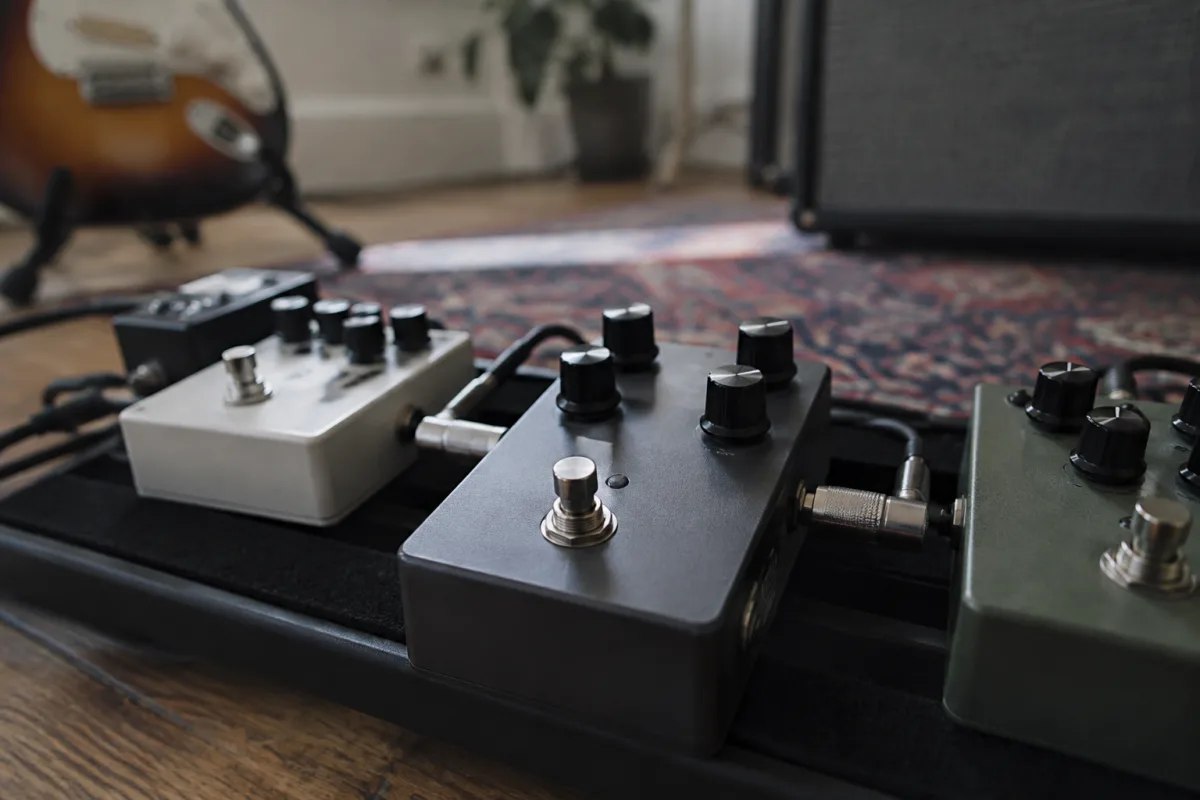
A pitch shifter effect pedal opens exciting creative possibilities—from subtle harmony layers to dramatic octave jumps and experimental tones. Yet the market offers bewildering choices, from affordable entry-level models to professional-grade units. This buying guide cuts through the confusion, helping you select a pitch shifter effect pedal that matches your playing style, genre, and budget without compromising on quality or reliability.
Understanding Pitch Shifter Effect Pedal Types
Not all pitch shifter effect pedals work the same way. Before shopping, understand the main categories so you know what to expect. Traditional pitch shifter effect pedal algorithms process your signal and shift the pitch up or down—great for harmonies and subtle effects. Polyphonic pitch shifter effect pedals handle complex chords without the latency or artefacting of simpler designs. Octave-based pitch shifter effect pedals focus specifically on adding lower (or higher) octaves, essential for bass players and anyone wanting that fat, multi-layered tone.
Your choice of pitch shifter effect pedal type depends on how you'll use it. Solo guitarists exploring harmonies need polyphonic processing. Bassists typically want an octave-focused pitch shifter effect pedal. Experimental players might prefer a versatile multi-mode option.
Key Specifications When Buying a Pitch Shifter Effect Pedal
These specifications separate a usable pitch shifter effect pedal from a frustrating purchase:
- Latency and Tracking Speed: Pitch detection lag ruins playability. Quality pitch shifter effect pedals respond almost instantly to input. Budget models often have noticeable delay that makes fast passages sound sloppy.
- Polyphonic Processing: A true polyphonic pitch shifter effect pedal tracks multiple notes simultaneously without artefacting. Monophonic models process one note at a time, limiting versatility.
- Shift Range: Look for a pitch shifter effect pedal offering at least ±12 semitones (one octave). Premium models extend to ±24 semitones or more for experimental sounds.
- Blend/Mix Control: This knob balances dry signal (original tone) with the shifted pitch. Essential for a natural-sounding pitch shifter effect pedal.
- Preset Recall: For gigging musicians, a pitch shifter effect pedal with storable presets eliminates manual tweaking between songs.
- Bypass Options: True bypass preserves tone when the pitch shifter effect pedal is off. Some models offer buffered bypass, which slightly colours tone but helps long cable runs.
- Expression Pedal Compatibility: Advanced pitch shifter effect pedals accept expression pedals for real-time pitch manipulation—perfect for expressive playing.
Budget Tiers for Pitch Shifter Effect Pedals
Your budget determines both features and reliability. Here's what each price tier typically delivers:
Budget (£80–£150): Entry-level pitch shifter effect pedals from brands like Boss and Behringer offer monophonic processing, noticeable latency, and basic controls. Acceptable for learning but limited for serious use.
Mid-Range (£150–£400): Quality pitch shifter effect pedals in this range feature improved tracking, some polyphonic capability, and reliable construction. Brands like TC Electronic and Electro-Harmonix shine here. Great for gigging musicians.
Premium (£400–£800): High-end pitch shifter effect pedals offer polyphonic processing, minimal latency, extensive controls, and expression pedal integration. Justifiable for professionals and serious players.
High-End (£800+): Top-tier pitch shifter effect pedals from boutique builders deliver exceptional sound and reliability. Rarely necessary unless you demand specific sonic characteristics.
New vs Secondhand: Making a Smart Choice
Secondhand pitch shifter effect pedals are tempting—you might find premium models at mid-range prices. However, digital effects are sensitive to component wear. A used pitch shifter effect pedal might have intermittent tracking issues or failing footswitches. Demand a full return window (at least 14 days) and test all functions before committing.
New pitch shifter effect pedals provide warranties and the assurance that all components are in working order. For digital effects like this, the warranty investment is often worthwhile.
Common Buying Mistakes to Avoid
Pitch shifter effect pedals are popular enough that manufacturers cut corners. Avoid these pitfalls when shopping:
Ignoring latency completely: Budget pitch shifter effect pedals often have noticeable lag. In-store testing or video demos reveal this—listen carefully before buying.
Assuming you need polyphonic processing: Not every player needs polyphonic pitch shifter effect pedal capabilities. If you play mainly single notes, monophonic is fine and often cheaper.
Overlooking the blend/mix knob: A pitch shifter effect pedal with no dry signal control sounds artificial and thin. Ensure your potential pedal has adequate blending options.
Buying an octave pedal when you want pitch shifting: These are related but different. An octave-specific pitch shifter effect pedal won't give you the range of a full pitch shifter. Clarify your needs first.
Neglecting power requirements: Some pitch shifter effect pedals demand substantial current. Check if your power supply can handle it before purchase.
Testing a Pitch Shifter Effect Pedal Before Buying
In-store testing is invaluable. Play single notes and chords through a pitch shifter effect pedal. Notice how quickly it responds to picking dynamics. Toggle between shift intervals to hear artefacting or natural tone. Test the blend control—the dry signal should remain clean.
Play fast passages and listen for tracking errors. Ask the retailer to demonstrate common use cases similar to your playing. If buying online, demand video demonstrations or ensure a solid return policy.
Where to Shop Safely
Specialist retailers like Thomann, Sweetwater, and Vintage King stock extensive pitch shifter effect pedal selections. Local independent shops often have demo units you can try. Marketplace sellers work if you're confident assessing gear remotely and they offer returns.
Avoid unfamiliar sellers without clear return policies. The risk of receiving a defective pitch shifter effect pedal isn't worth the savings.
Warranty and Support Matter
Purchase your pitch shifter effect pedal from retailers offering 14–30 day returns. Manufacturer warranties typically cover defects for 1–3 years. Digital pedals occasionally have firmware issues—ensure the brand offers updates and customer support.
Your Perfect Pitch Shifter Effect Pedal Awaits
Finding the right pitch shifter effect pedal transforms your creative possibilities. Prioritise tracking quality and latency over fancy aesthetics. Test before committing. Check warranty terms. With informed purchasing, your pitch shifter effect pedal will deliver years of reliable, inspiring performance. For deeper exploration of pitch-based effects and how they integrate into your overall tone, explore our complete guide to pitch shifter effect pedals.


Comments