


Pedalboard Bass Buying guide
Pedalboard Bass: A Complete Buyer's Guide
A pedalboard bass organises, protects, and powers multiple effects pedals for reliable performance. This guide helps you navigate size, power requirements, and durability features.
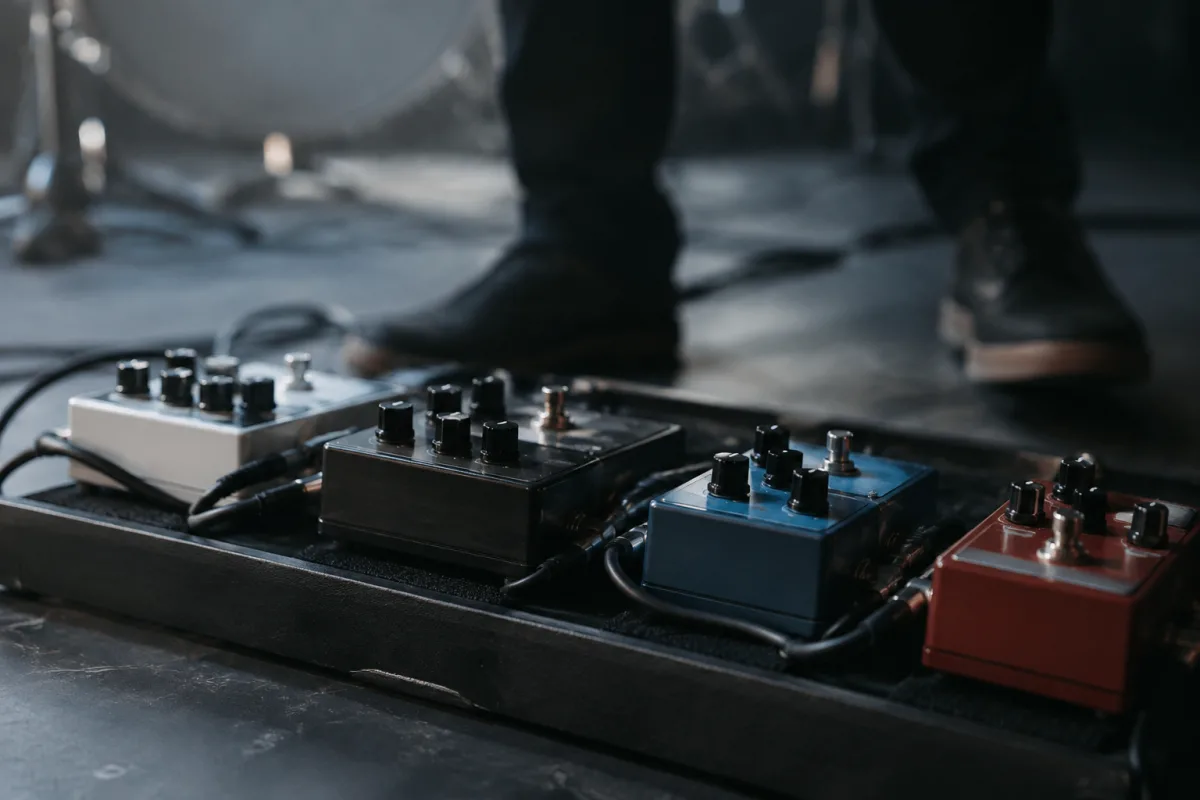
A pedalboard bass is the foundation of any serious bass player's effects setup—a sturdy platform that organises, protects, and powers multiple effects pedals for performance and recording. Yet selecting the right pedalboard bass requires understanding size constraints, power requirements, portability needs, and cable management philosophy. This buyer's guide walks you through specifications, design considerations, and pricing to help you choose a pedalboard bass that matches your current needs and allows for future expansion.
Understanding Pedalboard Bass Fundamentals
A pedalboard bass serves a practical function: it holds your effects pedals, powers them, manages cables, and allows expression pedal integration. Unlike a random collection of pedals scattered across a stage, a organised pedalboard bass ensures reliable performance, efficient setup/teardown, and professional appearance.
The most important concept when shopping for a pedalboard bass is rightsize. A massive, expensive board for someone who uses three pedals wastes money and stage real estate. Conversely, an overly compact pedalboard bass forces cramped layout and limits future pedal additions. Finding the balance between your current needs and reasonable future expansion is crucial.
Pedalboard Bass Size Considerations
Pedalboards span a wide range of sizes, each suited to different playing contexts:
- Compact (under 50cm): Fits small pedals only (wah, compressor, overdrive). Ideal for minimalist setups or touring with limited transport. Light and portable.
- Standard (50–80cm): Accommodates 6–12 pedals depending on layout. Suitable for most working bass players. Good balance between portability and capacity.
- Large (80–100cm+): Holds 12+ pedals with room for expression pedals and power supplies. Necessary for players using complex effects chains.
- Custom/Large Format: Bespoke designs for specific pedal configurations. Maximum capacity but expensive and difficult to transport.
Most working bass players choose standard pedalboards (50–80cm). This size accommodates essential effects without excessive complexity or portability burden.
Power Supply Integration
Modern pedalboard bass units typically integrate power supplies, eliminating the need for multiple wall adaptors. When shopping for a pedalboard bass, verify power specifications:
- Available outputs: Each pedal requires a dedicated power connector. A pedalboard bass should offer 8–16 output jacks depending on size.
- Voltage capabilities: Most pedals require 9V, but some need 12V or 18V. Verify that your pedalboard bass supplies these voltages for your pedals.
- Current capacity: Total current (measured in amps) determines how many pedals the power supply can reliably support simultaneously. Verify that power capacity exceeds your combined pedal requirements.
- Isolation: Better pedalboards isolate each output, preventing noise from pedal power draw interactions. This feature is worth paying for if noise is a concern.
Cheap pedalboard bass power supplies often deliver insufficient current or lack isolation, resulting in noise or pedal malfunction. Premium units offer robust power with proper isolation, essential for professional performance.
Construction Quality and Durability
A pedalboard bass endures constant transport, setup/teardown, and being stood on during performance. Quality construction is non-negotiable:
- Deck material: Plywood or hardwood decks offer superior durability to thin plastic. Inspect thickness—quality pedalboards use 12–18mm deck material.
- Edge reinforcement: Metal angles or rails along edges protect against impact damage and extend pedalboard life.
- Velcro and mounting: Quality hook-and-loop Velcro (not cheap alternatives) securely holds pedals without slipping. Verify that mounting studs and brackets feel solid.
- Case/bag: Many pedalboard bass packages include flight cases or gig bags. Adequate protection during transport is essential for valuable equipment.
- Weight distribution:**The pedalboard bass should balance evenly without top-heavy bias that causes tip-overs during cable connections.
Cable Management and Routing
Professional pedalboard bass design includes thoughtful cable management. When evaluating options, examine:
- Cable pass-throughs: Discrete openings allow cables to exit without tangling with pedal placement.
- Velcro cable straps: Organised strap attachment keeps cables tidy and prevents spaghetti-like tangles.
- Space for expression pedals: Wah and expression pedals require front-mounted space for foot operation. Verify that your pedalboard bass design accommodates your expression pedals.
- Accessibility: Power connections should be easily reached without removing pedals. Cables should route intuitively from input to output.
Price Tiers and Value Assessment
Pedalboard bass options span different price ranges:
- Budget (£100–£250): Basic boards with minimal features, thin construction, weak power supplies. Suitable for hobbyists or minimal setups. Not recommended for gigging.
- Mid-range (£250–£600): Solid construction, integrated power, adequate space, quality Velcro. Best value for working bass players. Sufficient for most professional contexts.
- Premium (£600–£1200): Excellent construction, powerful isolated power supplies, thoughtful cable management, flight cases included. Professional touring standard.
- High-end/Custom (£1200+): Bespoke designs, boutique construction, maximum features. Investment purchases for demanding professionals or custom needs.
The mid-range tier (£300–£500) offers exceptional value. A quality pedalboard bass at this price point serves professional gigging admirably without premium expense.
Common Purchasing Mistakes
Avoid these frequent errors when buying a pedalboard bass:
- Oversizing prematurely: Buying a massive pedalboard bass for three pedals wastes money and space. Start with rightsize; expand later if needed.
- Assuming all power supplies are equal: Budget power supplies deliver insufficient current or poor isolation. Professional power supplies cost more but prevent noise and malfunction.
- Neglecting cable management: An unorganised pedalboard bass becomes a nightmare during setup. Prioritise designs with thoughtful cable routing.
- Ignoring portability: For touring musicians, pedalboard bass weight and transport dimensions matter profoundly. Test portability before committing.
- Overlooking case/bag quality: A damaged pedalboard bass during transport costs more in repairs than case investment. Choose packages with adequate protection.
Future-Proofing Your Choice
When buying a pedalboard bass, consider your potential future needs. Will you add pedals within the next year? Do you need versatility for different musical contexts? A pedalboard bass with 20% spare capacity allows reasonable expansion without immediate replacement needs.
Modular pedalboard bass designs offer flexibility—some systems allow deck expansion or separate power supply upgrades. If future expansion feels likely, investigate modular options despite higher initial cost.
Testing and Professional Setup
Before purchasing a pedalboard bass, if possible, test it with your existing pedals. Does your wah fit comfortably? Can your largest pedal mount without overlap? Does the power supply deliver adequate current for your combined pedals? These practical tests reveal compatibility issues before commitment.
After delivery, allow time for professional cable routing if necessary. Some pedalboard bass setups benefit from custom cable lengths and organisation—investment that pays dividends through reliable performance and efficient setup.
For comprehensive exploration of pedalboards, their design evolution, and professional player preferences, read our complete guide to bass pedalboards, which covers advanced configuration strategies and touring considerations.
Making Your Investment
Choosing a pedalboard bass is investing in organisation, protection, and professional performance reliability. Prioritise rightsize over capacity, verify adequate power supply specifications, and don't economise on construction quality or protection. A well-chosen pedalboard bass becomes the foundation of your effects setup, enabling confident, professional performance for years to come.


Comments