


Pedal Wah Vox Buying guide
Pedal Wah Vox: A Complete Buyer's Guide
Learn which Vox wah model suits your style, understand key specifications, evaluate pedals properly, and avoid purchasing mistakes.
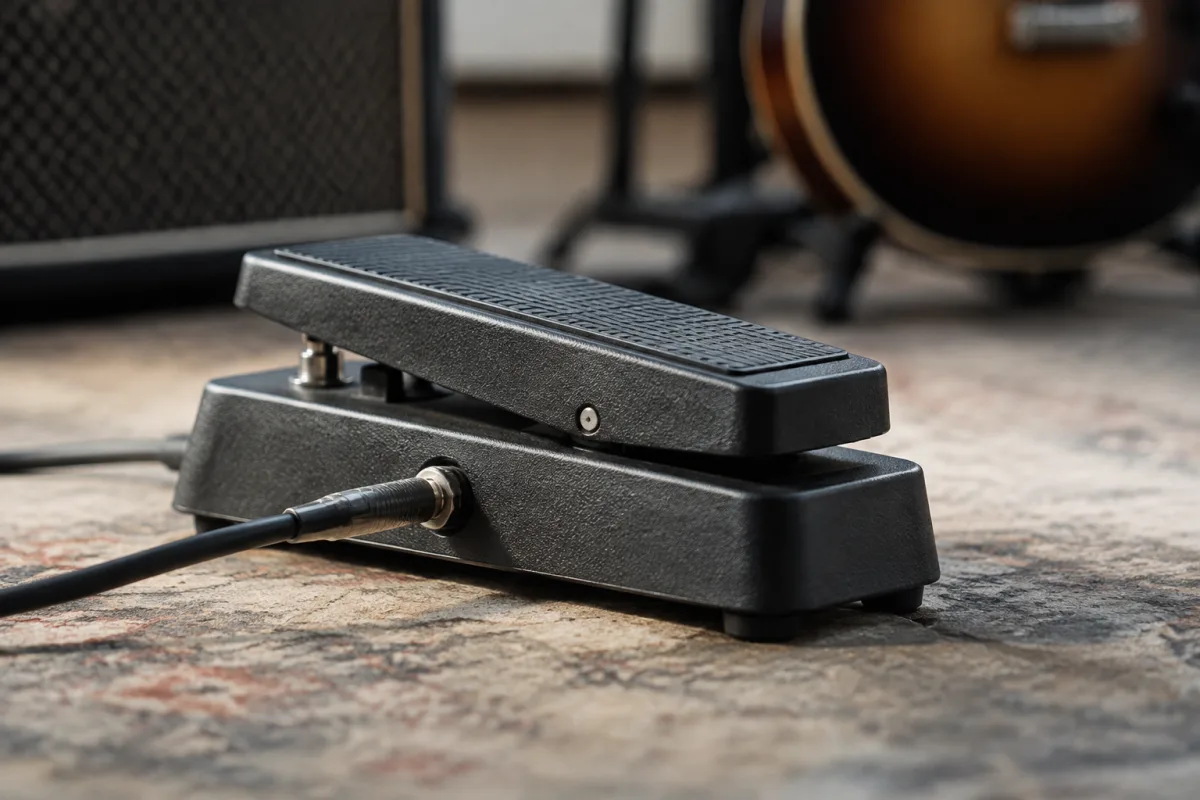
The Vox wah pedal is one of music's most iconic effects—a simple yet expressive device that has defined guitar solos since the 1960s. Jimi Hendrix, Steve Vai, Stevie Ray Vaughan, and countless others built their sound signatures around wah pedals. If you're considering adding a wah to your setup, Vox remains a standard choice. Yet the market now includes multiple wah pedal types and variations, from classic designs to modern digital models. Understanding what differentiates them, what specifications matter, what to inspect before purchasing, and how to avoid regrettable choices ensures you end up with a wah pedal you'll love and use for years.
Types of Wah Pedals from Vox
Vox manufactures several wah pedal styles, each suited to different needs and aesthetics:
- Original Cry Baby (Auto-Return): The classic model with automatic return-to-centre when you lift your foot. Iconic sound, widely used, dependable.
- Cry Baby Mini: A compact version preserving classic tone in a smaller footprint. Ideal for crowded pedalboards where space matters.
- Modified/Special Editions: Limited versions with tonal tweaks, different resonance characteristics, or boutique component upgrades. Often more expensive, marketed toward discerning players.
- Digital/Hybrid models: Modern interpretations adding reverb, delay, or modulation effects to wah circuits. Suitable for players seeking wah plus additional colour.
- Vintage Original models: Pre-1970s and 1970s-era originals command premium prices due to rarity and collectibility. Sonic differences from modern versions are subtle and debatable.
The classic Cry Baby (auto-return) remains the most popular choice. Start there unless specific needs push you toward alternatives.
Key Specifications for Wah Pedals
Frequency sweep range: Wah pedals filter your signal through a frequency range. A wider range (lower low-end to higher high-end) offers more dramatic effect potential. Standard wahs sweep roughly 400Hz to 4kHz; specialty models may extend this range. Wider isn't always better—it depends on your tonal preferences.
Resonance/Q factor: Controls how pronounced the frequency peak is. Higher resonance creates more dramatic "quack"; lower resonance is more subtle. Classic Vox wahs feature characteristic resonance that defines their sound.
Input impedance: How the pedal interfaces with your guitar's output. Higher impedance pedals preserve your guitar's natural tone; lower impedance can dull it. Most modern wahs handle impedance well, but specifications matter for tone-conscious players.
Power requirements: Wah pedals traditionally use 9V batteries. Modern versions often accept power adapters. Some models include both options. Battery-only pedals require regular battery replacement; AC adapter versions eliminate this maintenance.
Footpedal responsiveness: How the physical footpedal translates to frequency change. Responsive pedals feel immediate; sluggish pedals feel delayed. Responsiveness affects playability and expressiveness dramatically.
Price Tiers for Vox Wahs
Entry-level (£60–£120): Basic Cry Baby models in standard finishes. These are fully functional, iconic-sounding wahs for learning and gigging. No complaints about audio quality—they sound like Vox wahs should.
Mid-range (£120–£250): This range includes mini versions, special finishes, and minor component upgrades. The Cry Baby Mini sits here, as do most limited editions and cosmetic variations. Sonically similar to entry-level but with added convenience or aesthetics.
Premium (£250–£500+): Vintage originals, boutique modifications, digital hybrid versions, or hand-built special editions inhabit this range. Premium pricing often reflects rarity or design innovation rather than dramatic sonic differences.
Most players find the £80–£150 range optimal—iconic Vox tone without excessive spending. Budget accordingly based on whether aesthetics or specific features matter to you.
What to Inspect When Buying
Footpedal mechanics: Press the footpedal repeatedly. It should move smoothly without grinding, sticking, or wobbling. A stuck or grinding footpedal indicates worn components or debris inside. Replacement is possible but adds cost.
Frequency sweep audio. Plug in and sweep the footpedal fully from heel to toe. The frequency sweep should be smooth and continuous. Jumpy, scratchy, or uneven sweeps indicate potentiometer wear or corrosion.
Audio quality. Play chords and single notes through the wah. The effect should sound clear and musical, not distorted, thin, or bassy. Your ears are the best test; compare to reference recordings if possible.
Input/output connectors. Check that jacks are firmly seated, connectors aren't corroded, and all cables connect securely. Loose connectors cause intermittent signal problems that are annoying to troubleshoot.
Power circuitry. Test with battery and/or adapter if available. The pedal should power on reliably and respond consistently. Dead batteries are normal; failing power circuitry is not.
Casing integrity. Inspect the chassis for cracks, dents, or loose components. Minor dings are normal on gigged pedals; structural cracks suggest potential internal damage.
Visual appeal. If cosmetics matter to you, inspect the finish quality. Some wahs are intentionally beat-up; others should look pristine. Match expectations to the specific model.
Common Buying Pitfalls
Assuming vintage is always better. Original 1960s wahs sound iconic but aren't objectively superior to modern versions. They command premium prices due to rarity and collectibility, not necessarily better tone. If budget is a consideration, modern Vox wahs deliver classic character at lower cost.
Confusing premium price with improved playability. Some expensive wahs feature cosmetic upgrades or limited editions without meaningful tone improvements. Judge wah pedals on sound and feel, not price alone.
Neglecting footpedal feel during purchase. A wah you don't physically enjoy operating won't get used, regardless of tone. Test the footpedal response personally if possible. Sluggish pedals are frustrating; responsive pedals are rewarding.
Underestimating pedalboard real estate. Wah pedals are large and heavy. Before purchasing, confirm your pedalboard has space and is sturdy enough. A wah that doesn't fit your board becomes a storage problem rather than a musical tool.
Buying digital wahs expecting simplicity. Digital wah models add complexity with extra effects and controls. If you want a straightforward wah experience, stick to classic analog models. Digital versions suit players seeking sound design flexibility.
Ignoring battery replacement costs over time. Battery-only models require regular replacement. Budget £1–£2 per battery and estimate how frequently you'll replace them. AC adapter versions eliminate this nuisance, justifying modest premium pricing.
New Versus Used: Value Considerations
Used Vox wahs hold value reasonably well. A well-maintained Cry Baby from five years ago costs 30–40% less than new whilst performing identically. Used wahs are excellent value if you inspect carefully.
New wahs come with warranty coverage and assurance of proper storage. If peace of mind matters, new is worth the premium. Used wahs suit budget-conscious players confident in evaluation.
Buy new for warranty coverage; buy used for value. Either way, you're getting authentic Vox wah tone that's earned its place in music history.
Integration Into Your Setup
Before purchasing, consider where the wah will sit on your pedalboard. Wah pedals are typically placed early in your signal chain, before distortion and modulation effects. Ensure your pedalboard can accommodate the wah's size and power demands. Modern wahs integrate seamlessly with expression pedals and other dynamics pedals.
If using multiple expression pedals, confirm they don't conflict. Some pedalboard configurations require careful sequencing to avoid technical issues. Plan your signal flow before committing to purchase.
Finding Your Perfect Wah
Vox wah pedals are tools designed for expression and creativity. The "perfect" model is the one you'll actually use and enjoy operating. If a classic Cry Baby feels right and sounds inspiring to you, it's the right choice. If you prefer the convenience of a mini pedal or the tonal colours of a digital version, those are equally valid.
Try playing through different wah pedals if possible. Feel the footpedal response. Listen to the frequency sweep. Imagine how you'd use it in your music. This tactile evaluation reveals far more than specifications or reviews ever could.
Exploring Further
For comprehensive information covering wah pedal history, technique, tone-shaping strategies, and legendary players, consult The Complete Guide to Pedal Wah Vox.
Conclusion
Buying a Vox wah pedal is an investment in expression and tone. Whether choosing a classic Cry Baby, a convenient Mini, or a premium special edition, you're joining a lineage of legendary players who've used these pedals to create music history. Evaluate your needs, test pedals if possible, consider budget and pedalboard constraints, and choose a model that excites you. Within weeks, your wah will become an extension of your playing style—a tool for vocal-like expression that separates truly great playing from merely competent playing.


Comments