


Pedal Chorus Boss Buying guide
Pedal Chorus Boss: A Complete Buyer's Guide
Buying the right Boss chorus pedal requires understanding specs, price tiers, and sound quality. Our guide helps you choose a pedal chorus boss that fits your budget and musical style.
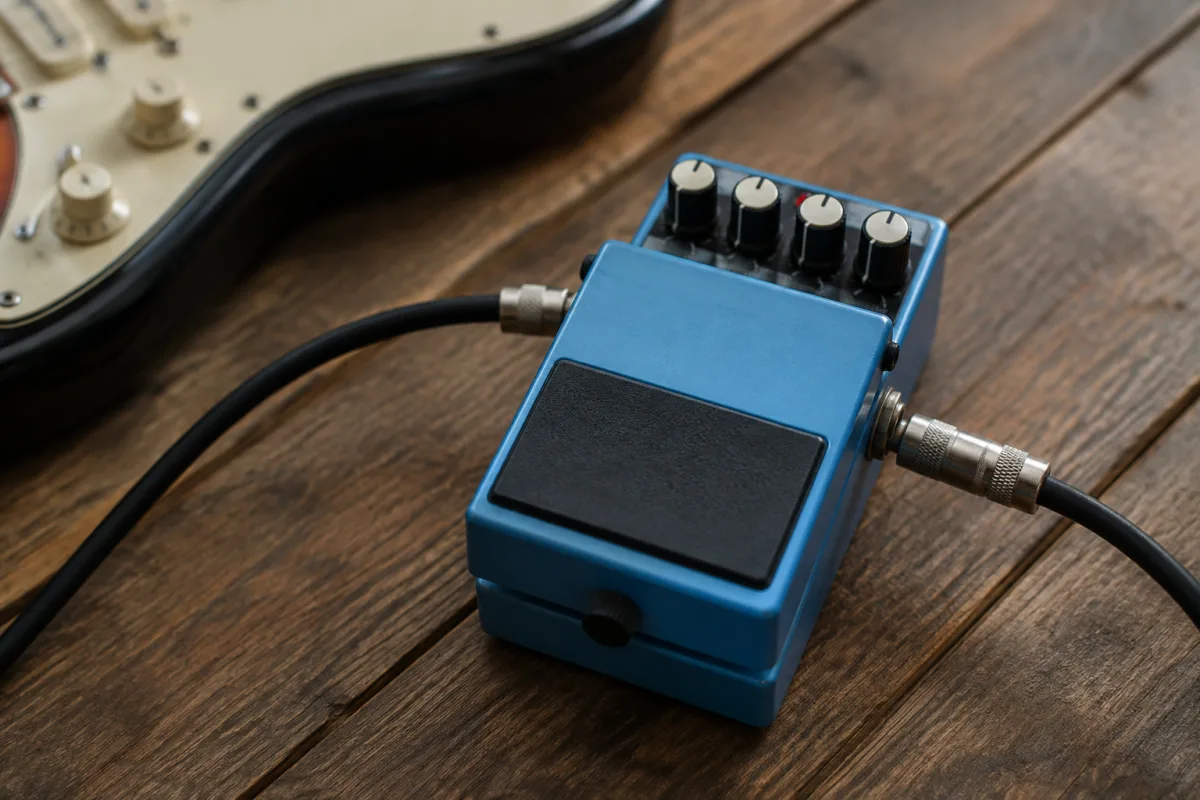
Ready to buy a chorus effect for your guitar rig? A Boss chorus pedal is an iconic choice, but the market offers several models at different price points, and knowing which one suits your needs is essential. This buying guide cuts through the noise and helps you choose the right pedal chorus boss for your setup, budget, and musical style.
Know Your Budget Before Shopping for a Pedal Chorus Boss
Boss offers chorus pedals at various price tiers, and your budget significantly shapes your options. Entry-level and mid-range pedal chorus boss models start around £70-120, offering solid performance for hobbyists and gigging musicians alike. Premium models range from £150-250+, often with additional features like stereo outputs, programmable settings, or built-in expression pedals. There's also the used market, where you can find classic Boss chorus pedals at reduced prices—these often represent tremendous value if you're patient and know what to check. Set a realistic budget first to narrow your search significantly.
Core Specs to Understand When Buying a Pedal Chorus Boss
Understanding the key specifications ensures you're comparing pedal chorus boss models fairly:
- Depth control: This adjusts the intensity of the chorus effect. A good pedal chorus boss offers a wide range from subtle to dramatic. Check that the control feels responsive and smooth rather than abrupt.
- Rate control: This determines how fast the effect sweeps. For buying, verify that the pedal chorus boss rate range includes both slow, swimming effects and faster, more noticeable modulation suitable for your style.
- Tone shaping: Some pedal chorus boss models include EQ controls or tone switches. Decide if you need tone shaping; it's useful for matching the effect to specific guitars or amplifiers, but adds complexity.
- Stereo connectivity: If you run stereo amplification, a pedal chorus boss with stereo inputs and outputs creates a wider, more lush effect. Single-input models work fine for mono setups.
- Power requirements: Check if the pedal chorus boss runs on batteries, USB power, or requires a dedicated 9V supply. Consider your pedalboard's power situation before buying.
Sound Quality: How to Test a Pedal Chorus Boss Before Buying
Never buy a pedal chorus boss without hearing it yourself. Visit a music shop and play through one with your own guitar if possible. Listen for a natural, lush chorus sound rather than something thin or artificial. Blend the effect with your dry signal using the mix control (if available) and ensure the effect enhances your tone rather than overwhelming it. Pay attention to whether the pedal chorus boss plays well with distortion or overdrive—many players use chorus in combination with other effects, and compatibility matters. Trust your ears above specifications; a pedal chorus boss that sounds great to you is worth buying even if the spec sheet looks less impressive.
Comparing Boss Chorus Pedal Models: Which Should You Buy?
Boss has several pedal chorus boss options at different tiers. Entry-level models like the CE-2W offer classic sounds and reliable performance without excessive features. Mid-range options provide more control and better build quality for players who gig regularly. Higher-end models sometimes include programmable presets and advanced features, though many working musicians find entry to mid-range models perfectly sufficient. Research current models available, read player reviews on reputable sites, and consider whether you genuinely need premium features or if a simpler pedal chorus boss serves your needs.
Common Pitfalls to Avoid When Buying a Pedal Chorus Boss
Don't assume a more expensive pedal chorus boss automatically sounds better—some premium features are more about convenience than tone quality. Avoid buying without testing; online reviews help, but your ears are the final judge. Don't overlook the power requirements; a pedal chorus boss is useless if it doesn't fit your power supply setup. Watch out for excessive weight if portability matters to your workflow; some models are surprisingly heavy for their size. And don't be tempted by vintage models simply because they're older; a used pedal chorus boss can be an excellent deal, but verify it powers on and produces clean sound before committing money.
Building Your Pedal Chorus Boss into a Pedalboard
Once you've bought your pedal chorus boss, think about placement in your signal chain. Chorus typically sits after distortion and overdrive but before delay and reverb, though experimentation often yields great results. Ensure your power supply can handle the pedal chorus boss's current draw, and use proper shielded cables to avoid noise. A well-integrated pedal chorus boss that fits your power and space constraints is far better than a premium model that creates headaches on your board.
For deeper technical exploration and full model comparisons, visit the complete guide to pedal chorus boss effects, which covers the history, theory, and advanced features of Boss chorus pedals.
Make Your Final Decision and Enjoy the Results
Buying a pedal chorus boss is exciting because you're adding a new dimension to your sound. Trust your research, test before committing, consider your budget realistically, and choose a model that fits your musical needs. The right pedal chorus boss can become a permanent part of your tone, so take the time to choose wisely. Once you have one in your hands, the fun of discovering new sounds truly begins.



Comments