


Peavey Vintage 30 article
Peavey Vintage 30 for Beginners: A Complete Guide
A beginner's guide to understanding and using the Peavey Vintage 30 speaker: practical first steps and common questions answered.
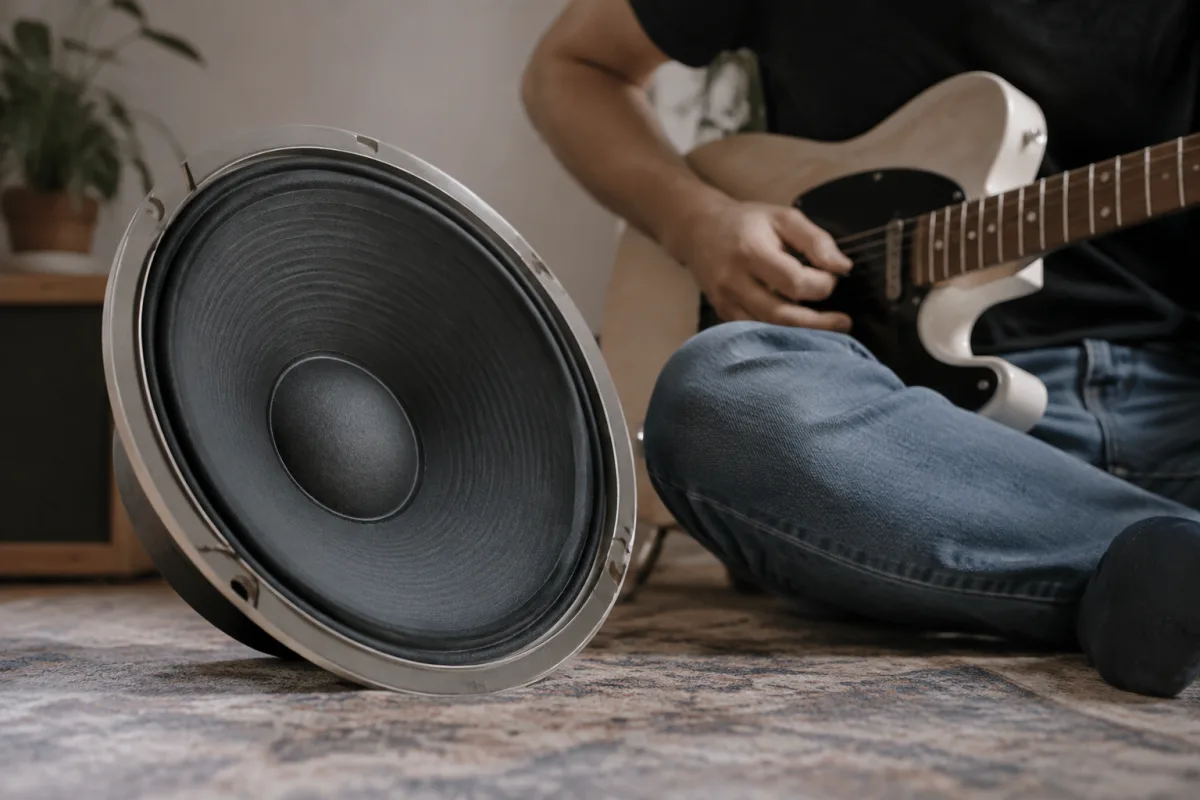
If you've just started playing guitar seriously, you might feel lost choosing a speaker. The Peavey Vintage 30 keeps appearing in conversations, but why does everyone recommend it to beginners? This guide explains what makes it special for guitarists learning their craft, how to actually use one, and whether it's right for you. We'll focus on practical first-hand experience rather than technical specifications. If you're looking for exhaustive technical details and historical context, the complete guide to the Peavey Vintage 30 covers everything in depth. Here, we're keeping it straightforward and encouraging.
Why Beginners Actually Gravitate Toward the Peavey Vintage 30
The Peavey Vintage 30 is a 12-inch speaker that's been around since the 1980s and is still popular today. Beginners often hear about it because it offers something genuinely useful: warm, natural-sounding tone without requiring you to spend a fortune. When you're just starting out, you probably haven't invested heavily in amplifiers yet. A Peavey Vintage 30 retrofit or a used one fits within reasonable budgets whilst delivering professional-quality sound. This makes it approachable for learners who want decent tone without commitment to ultra-expensive gear.
Another reason beginners are drawn to it is versatility. Whether you play rock, blues, folk, or pop, this speaker works well across genres. You're not locked into one sonic character; the speaker responds well to different amplifier types and playing styles. This flexibility is brilliant when you're still discovering what style actually resonates with you.
Understanding What a Speaker Actually Does
Before worrying about the Peavey Vintage 30 specifically, understand what a speaker is doing in your signal chain. The amplifier creates electrical signals; the speaker transforms those electrical signals into physical sound waves you can hear. The speaker's construction, materials, and design fundamentally shape your tone. A "warm" speaker like the Peavey Vintage 30 naturally adds smoothness to aggressive signals; a "bright" speaker emphasises treble and cutting edges. Neither is objectively better—they're just different tools.
The Peavey Vintage 30's alnico magnet construction contributes to its warm, organic character. But that's detail-level information. What beginners need to know is: this speaker makes your amplifier sound good without excessive harshness. If you're new to amplifier tone, that's genuinely valuable.
Getting Started: Practical First Steps
Acquiring a Peavey Vintage 30 usually means either finding a combo amplifier that includes one or retrofitting a cabinet with one. If you're buying used—which is financially sensible as a beginner—inspect the speaker carefully for physical damage, surround integrity (the rubber around the perimeter), and cone condition. A speaker with a torn surround still works, but you're looking at replacement costs within six months to a year.
When you first plug into a cabinet containing a Peavey Vintage 30, approach it with realistic expectations. Tone is subjective; what sounds beautiful to one person sounds bland to another. Play through it for at least 30 minutes before deciding whether you like it. Fresh speakers also sound tight and can improve noticeably over their first few hours of use, so immediate judgments are premature.
Common Beginner Misconceptions About This Speaker
Many beginners believe a particular speaker automatically creates a particular sound. They imagine buying a Peavey Vintage 30 and suddenly acquiring professional tone. That's not how it works. The speaker is one component in your tone puzzle. Your amplifier, guitar, playing technique, and effects chain all matter significantly. A Peavey Vintage 30 in a budget amplifier sounds different from the same speaker in a high-end amp. Don't expect miracles from the speaker alone.
Another misconception: the Peavey Vintage 30 is the best speaker for everything. It's not. Some musical styles benefit from different speakers. Some players prefer brighter, more modern speakers to the Vintage 30's vintage character. Popularity doesn't equal universal perfection. The speaker is genuinely good, but it's good for particular applications and tastes, not universally.
Beginners also sometimes assume newer equals better. The Peavey Vintage 30 has been in production for decades because it works, not because it's the latest innovation. Older doesn't mean worn-out; it means proven and consistent. That consistency makes it approachable for learners.
Maintenance and Care: Simple Stuff
You don't need elaborate care routines, but basic attention extends your speaker's life significantly. Keep your amplifier away from liquids and excessive moisture. Avoid dropping your cabinet or subjecting it to physical shocks. Don't run your amplifier at full volume continuously; speakers handle more gracefully at moderate volumes with brief peaks. If you're practising at home, reasonable volume levels let you stay comfortable with your neighbours and preserve your speaker simultaneously.
Sometimes dust accumulates around the speaker cone. Gently vacuuming or compressed air (held at a distance) removes surface dust without damaging the speaker. That's genuinely the extent of maintenance most players ever need.
Pairing the Peavey Vintage 30 with Beginner Amplifiers
The beauty of the Peavey Vintage 30 is compatibility across amplifier types and wattages. Whether you're using a 5-watt practice amp or a 50-watt performance amp, this speaker integrates well. However, match impedance correctly (usually 8 ohms). Mismatched impedance can damage your amplifier, so confirm before connecting. If you're unsure, ask someone more experienced; a single question prevents expensive mistakes.
As a beginner, start with a reasonable wattage—20 to 50 watts is versatile enough for home playing and small gigging. You don't need 100-watt amplifiers early on. A modest wattage amp with a quality speaker like the Peavey Vintage 30 sounds better than enormous wattage with mediocre speakers.
Is It Right for Your Specific Journey?
Choosing a speaker is personal. The Peavey Vintage 30 is genuinely brilliant for many beginning guitarists, especially those gravitating toward warm, bluesy tones. If your ears prefer modern, high-gain sound with aggressive character, you might find it less inspiring. That's not a flaw; it's a different tool for different needs.
Play through one if you can before committing. Ask local musicians what they use and why. Watch videos of it in action across different genres. Build your conviction through exposure rather than just listening to recommendations. Your tone journey is genuinely personal, and the Peavey Vintage 30 is an excellent waypoint for many beginners, but it's not the only path. Whatever you choose, commit to your guitar and let your playing evolve; the speaker is secondary to your dedication and practice.



Comments