


Peavey Vintage 30 Buying guide
Peavey Vintage 30: A Complete Buyer's Guide
Considering a Peavey Vintage 30 speaker for your amp? Learn what to check before buying, including specifications, compatibility, authenticity, and whether this legendary speaker suits your tone and budget.
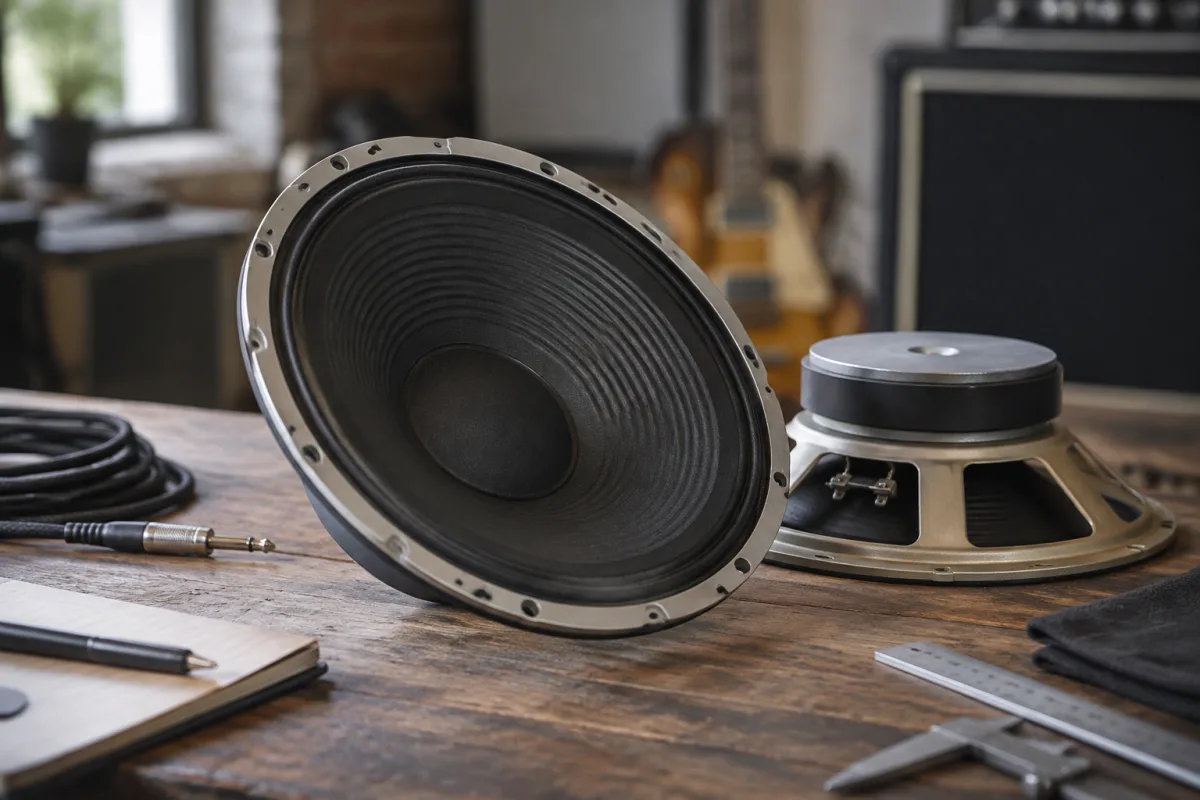
The Peavey Vintage 30 is one of the most sought-after guitar speakers in the world, trusted by professionals and serious enthusiasts for decades. Whether you're upgrading your amplifier cabinet, replacing a blown speaker, or building a custom rig, understanding what makes the Peavey Vintage 30 special—and how to evaluate whether it's the right choice for your budget and playing style—is essential before spending your money. This buyer's guide walks you through the critical specifications and considerations that separate a wise purchase from an expensive mistake.
Understanding What the Peavey Vintage 30 Actually Is
The Peavey Vintage 30 is a 12-inch guitar speaker designed specifically for guitar amplification. It's not a universal speaker; it's engineered with tonal characteristics that flatter guitar frequencies and add harmonic complexity to your tone. When considering a Peavey Vintage 30, you're not just buying a speaker component—you're investing in a specific sonic character that's become legendary for its warmth and articulation. Unlike cheaper generic speakers, the Vintage 30's construction, magnet design, and cone materials are optimised for guitar playing, which is why it commands premium pricing. Before buying, confirm you understand this is a guitar-specific speaker and not a general-purpose audio component; that distinction matters enormously for sound quality.
Key Specifications to Evaluate Before Buying
When buying a Peavey Vintage 30, several specifications define its performance and compatibility with your existing gear. The speaker is rated at 60 watts handling capacity, which means your amplifier should not exceed this power rating for extended periods; pairing a 100-watt head with a Vintage 30 will degrade the speaker and risk damage. The impedance is typically 8 ohms or 16 ohms—check your amplifier's cabinet specifications to ensure compatibility. Incorrect impedance matching causes power loss and potential damage to your amplifier's output transformer. The speaker's frequency response ranges approximately 50Hz to 15kHz, making it naturally darker and warmer than lighter-voiced alternatives; this suits blues, classic rock, and vintage tones beautifully but may limit modern high-gain applications. Understanding these specifications before buying ensures the speaker suits both your equipment and playing style.
Tonal Characteristics: Is the Warm Sound Right for You?
The Peavey Vintage 30's legendary reputation rests partly on its distinctive tonal character. It's known for a warm, slightly compressed midrange with smooth highs and articulate lows—characteristics many players describe as "organic" and "musical." This warmth is particularly prized by classic rock, blues, and vintage-style players seeking thick, saturated tones. However, buyers seeking aggressive, cutting high-gain tones or pristine clean clarity should consider other speakers; the Vintage 30's warmth can muddy extreme distortion or make clean tones less transparent. Before buying, listen to audio samples or, ideally, experience the speaker in person. Your musical preferences and the genres you play should heavily influence whether the Vintage 30's sonic character aligns with your goals. A beautiful speaker in the wrong context becomes an expensive regret.
Price Considerations and Value Assessment
A new Peavey Vintage 30 typically costs £150–£300 depending on your region and retailer. Premium retailers and official distributors command higher prices, whilst competitive online sellers sometimes offer discounts. Before buying, research typical pricing at multiple retailers to ensure you're not overpaying; significant price variations often indicate either exceptional deals or suspicious counterfeit risk. Used Peavey Vintage 30 speakers are commonly available and typically cost £80–£200, representing genuine value for buyers willing to accept cosmetic wear or minor speaker age. Used speakers often sound as good as new ones if they haven't been abused; the Vintage 30 is robust and ages well. However, buying used carries risks: you cannot test the speaker before purchase, and returns are often impossible. Weigh cost savings against convenience and security; many buyers find paying slightly more for new speakers worth the peace of mind.
Compatibility with Your Amplifier Cabinet
Before buying a Peavey Vintage 30, confirm it physically fits your amplifier cabinet. The Vintage 30 is a standard 12-inch speaker, fitting most modern guitar amplifier cabinets designed for that size. However, mounting options vary: some cabinets use spring clamps, others screw mounting, and dimensions can vary slightly between models. Measure your cabinet's speaker mounting area and compare with the Vintage 30's specifications. Verify the mounting depth works with your cabinet's internal design; deep magnets on some 12-inch speakers can cause clearance issues. Most importantly, confirm the impedance of your cabinet matches the speaker's impedance rating. Mismatched impedance causes catastrophic damage to amplifier output stages, transforming an upgrade into an expensive disaster. Spend ten minutes confirming compatibility before buying; that brief effort prevents costly mistakes.
Assessing Authenticity and Avoiding Counterfeits
The Peavey Vintage 30's popularity has unfortunately spawned counterfeit speakers marketed as genuine Vintage 30s at suspiciously low prices. Before buying, purchase only from authorised Peavey dealers or established retailers with positive reviews and return policies. Examine photographs carefully if buying online; authentic Peavey speakers have clear labeling, proper branding, and professional finish. Counterfeit speakers often show poor label printing, inconsistent colour, or obviously cheap construction. Request a certificate of authenticity if buying from secondary markets. If you're paying £150–£300 for a genuine Vintage 30, saving £50 by buying from questionable sources risks receiving a counterfeit that sounds mediocre and fails within months. The cost of authentication is cheaper than discovering a fake after installation.
Installation Considerations and Setup
Installing a Peavey Vintage 30 requires disconnecting your amplifier from power and, ideally, allowing the amplifier to discharge before handling. If you're inexperienced with electronics, consider paying for professional installation; speaker swaps seem simple but improper handling risks damaging amplifier output stages. Before buying, confirm you have the tools necessary for installation: spring clamp removal, screwdriver sets, potentially a speaker socket removal tool depending on your cabinet design. Some amplifier cabinets require partial disassembly to access internal speakers, increasing complexity. Factor installation time and difficulty into your purchasing decision. A simple swap might take 15 minutes; complex installations could take an hour or require professional help, adding cost. Understand the installation challenge before committing money.
Evaluating Alternatives and Understanding Why Some Buyers Choose Differently
Before finalising a Peavey Vintage 30 purchase, consider alternatives matching different playing styles and budgets. The Celestion Vintage 30 is different from the Peavey version and offers a brighter, more articulate character; which suits different tonal goals. The Eminence Wizard is a modern interpretation of the Vintage 30 concept, offering similar warmth with improved clarity. Budget alternatives like generic 12-inch speakers cost £30–£60 but lack the Vintage 30's harmonic complexity and sonic refinement. Premium alternatives like custom boutique speakers cost £300–£600 but offer unique tonal colours unavailable elsewhere. Your choice depends on balancing budget, tonal preferences, amplifier compatibility, and playing style. The Peavey Vintage 30 remains the industry standard, but it's not universally superior—it's specifically excellent for particular applications and preferences.
Pre-Purchase Evaluation Checklist
Use this checklist when buying a Peavey Vintage 30 to ensure an informed decision:
- Confirmed amplifier power rating does not exceed 60 watts continuous
- Cabinet impedance matches speaker impedance (8 or 16 ohms)
- Mounting hardware and physical fit verified for your cabinet
- Tonal character aligns with your playing style and musical preferences
- Budget allows for the £150–£300 typical price range
- Source is authorised dealer or established retailer with reviews
- Installation method and tools understood before committing
- Considered alternatives and confirmed Vintage 30 remains best choice
- Return or warranty policy understood if issues arise
- Realistic expectations about tonal transformation set
Making Your Purchase and Setting Expectations
Once you've decided to buy a Peavey Vintage 30, source from an established retailer offering a reasonable warranty and return policy. Install it carefully or have professionals handle the task. Understand that breaking in a new speaker takes 20–50 hours of playing; fresh speakers sound slightly different from worn-in units, with high frequencies eventually mellowing slightly. This isn't a defect—it's normal speaker behaviour. Finally, remember that a single speaker swap rarely transforms your tone completely; amplifier settings, guitar choice, and playing technique remain equally important. The Peavey Vintage 30 enhances what you already have; it doesn't create magic if your fundamental setup isn't solid. Approach the purchase as an upgrade to complement an already good rig, and you'll be thrilled with your choice for years.


Comments