


Peavey Guitar article
Peavey Guitar for Beginners: A Complete Guide
Professional-quality guitars without the luxury price tag. Peavey instruments are built for working musicians—reliable, playable, and perfect for beginners serious about learning.
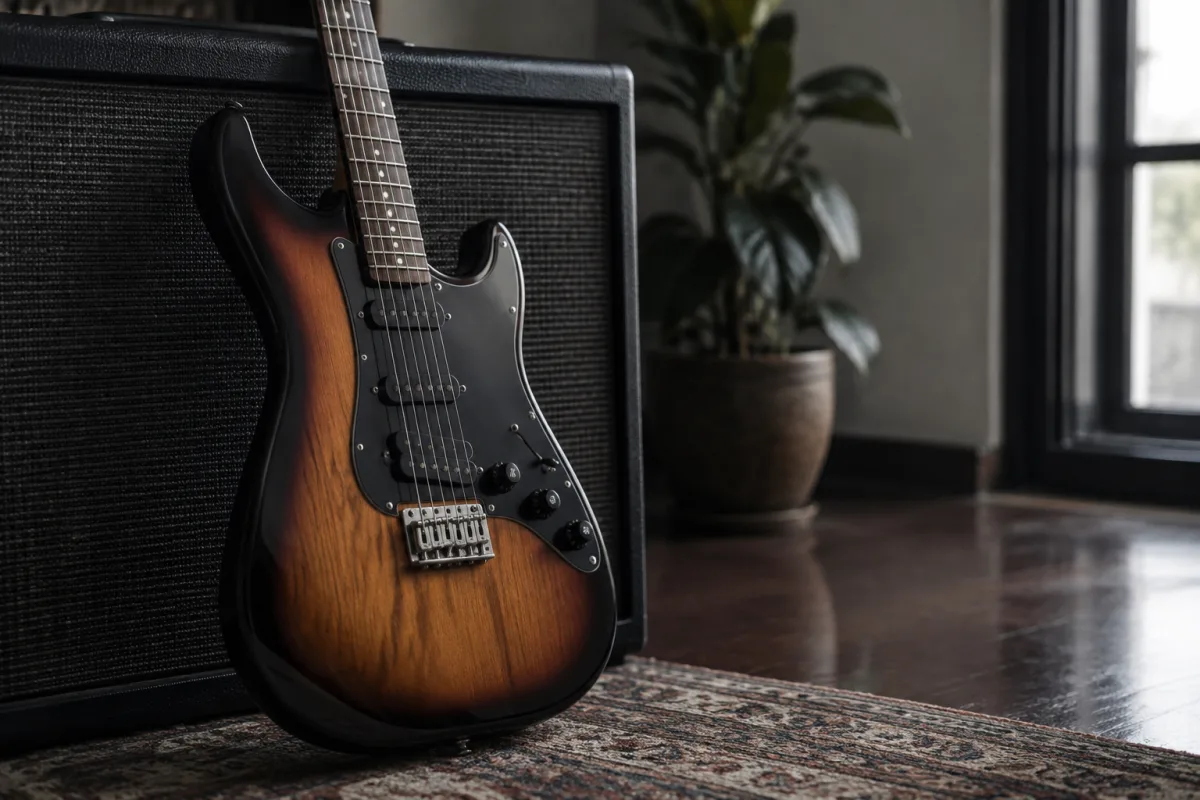
Peavey Guitars for Beginners: Building Your First Rig
Peavey is an American manufacturer with a 50-year history of building gear for working musicians. Their reputation leans more toward amplifiers and PA systems than guitars, but Peavey guitars deserve attention from beginners. You'll find Peavey instruments at a fraction of Gibson or Fender pricing, yet they're built to professional standards. This guide helps you understand what Peavey guitars offer and whether they're right for your first instrument.
Who Is Peavey and What Do They Make?
Founded in 1965 by Hartley Peavey, the company started with amplifiers and quickly expanded into instruments. Peavey has made guitars, bass guitars, synthesizers, and professional audio equipment. Their business model prioritises value—excellent quality at prices that don't demand a second mortgage. That accessibility attracted working musicians and continues today.
Peavey doesn't chase luxury market; they build practical tools. A Peavey guitar won't make you a better player, but it won't hold you back either. You'll find them in studios, touring rigs, and home practice spaces precisely because they work reliably without pretension.
Peavey Guitar Models Worth Knowing
Predator series: Solid-body electric guitars in various configurations. Available as single-pickup, dual-pickup, or three-pickup models. Neck-through construction on some models adds sustain and tuning stability. The Predator is Peavey's answer to the Stratocaster—accessible, versatile, reliable.
Mystic series: Offset body designs inspired by Jazzmaster and Jaguar aesthetics. Less common but deeply playable. Preferred by alternative rock and indie players. Great for anyone seeking distinctiveness without paying Fender prices.
Rockmaster series: Less common in the beginner market but available on secondhand markets. Solid performers, worth investigating if you find one.
Acoustic models: Peavey also makes acoustic guitars, often with built-in electronics (pickup systems) for amplification. Surprisingly good value compared to similarly-priced Yamahas or Ibanez models.
Why Beginners Choose Peavey
Price-to-quality ratio. You'll spend £200–400 on an entry-level Peavey electric, roughly half what you'd pay Gibson. That money stays in your budget for an amplifier, strap, case, and cables—things that matter equally to the guitar itself.
Reliability. Peavey guitars are built not to impress critics but to survive daily use. Tuning stability is excellent; electronics are durable; frets are well-crowned. Nothing flashy, everything functional.
Resale value. Peavey doesn't hold value like a vintage Fender, but secondhand models sell easily because musicians know they work. Buy used, play for a year, sell at 70% of what you paid. That's fair.
Versatility.** Peavey guitars sit between cheap beginner models (which teach bad habits via poor playability) and expensive boutique instruments. They're genuinely playable for any style—rock, blues, country, alternative—without fighting the instrument.
What to Check When Buying a Peavey Guitar
New Peavey guitars require minimal inspection—they ship with reasonable setup. Used ones warrant more care:
- Fret condition. Sight down the fretboard lengthwise, under bright light. Light dings are fine; deep grooves or high spots need attention.
- Neck straightness. Sighting down the frets again. Slight relief (subtle curve) is normal; obvious bowing backward needs a luthier's truss rod adjustment.
- Electronics. Plug in and switch pickups. Turn volume and tone knobs. Listen for crackling (dirty potentiometers) or dead channels.
- Tuning stability. Tune up, play for a minute, check again. Drift suggests a headstock crack (rare but possible) or tuning machine wear.
- Bridge and nut. For bolt-on neck models, check that the bridge sits level. For glued neck models, ensure no cracks around the joint.
- Physical damage. Dings are cosmetic. Cracks in the body around the jack or neck joint are structural problems and costly to repair.
Setting Up Your First Peavey
Most new Peavey guitars need minimal setup. Occasionally you'll find action height slightly high or slightly low. A professional setup (£30–50) ensures perfect playability. Don't skip this; the difference between uncomfortable and perfect is just a luthier's hour of work.
New strings (£8–12) always improve tone and tuning stability. Change them immediately upon arrival if secondhand.
Common Beginner Mistakes
New Peavey players often stumble here:
- Underestimating amplifier importance. A £300 Peavey guitar through a £80 amplifier sounds worse than a £150 guitar through a £300 amplifier. Spend relatively more on the amp; it's your sound source.
- Assuming lower price means lower quality. Peavey isn't cheap; it's affordable. The engineering and craftsmanship rival guitars at 3x the price. That's the brand's entire philosophy.
- Neglecting neck care. Peavey necks are tough, but extreme humidity swings can cause warping. Store guitars in a case or gig bag, not exposed to temperature and humidity fluctuations.
- Buying used without playing it first. If possible, test any Peavey before purchasing. A guitar that feels and sounds great to one player might feel awkward to another. Resale is easy; buyer's remorse lingers.
The Long View
A Peavey guitar serves you for years. Buy one now, play it well, and you won't outgrow it. That's not true for cheap beginner guitars; you'll want to upgrade quickly. With Peavey, you're starting with professional equipment at accessible price. That foundation matters. You'll focus on learning technique, not fighting the instrument. And when you eventually move to a boutique or vintage guitar, you'll appreciate it more because you know what a working instrument feels like.
Peavey doesn't get magazine covers or celebrity endorsements. That's fine. Working musicians trust them, and that's everything.


Comments