


Peavey Guitar Buying guide
Peavey Guitar: A Complete Buyer's Guide
Learn what to look for when buying a Peavey guitar, from construction quality and playability to avoiding common purchasing mistakes.
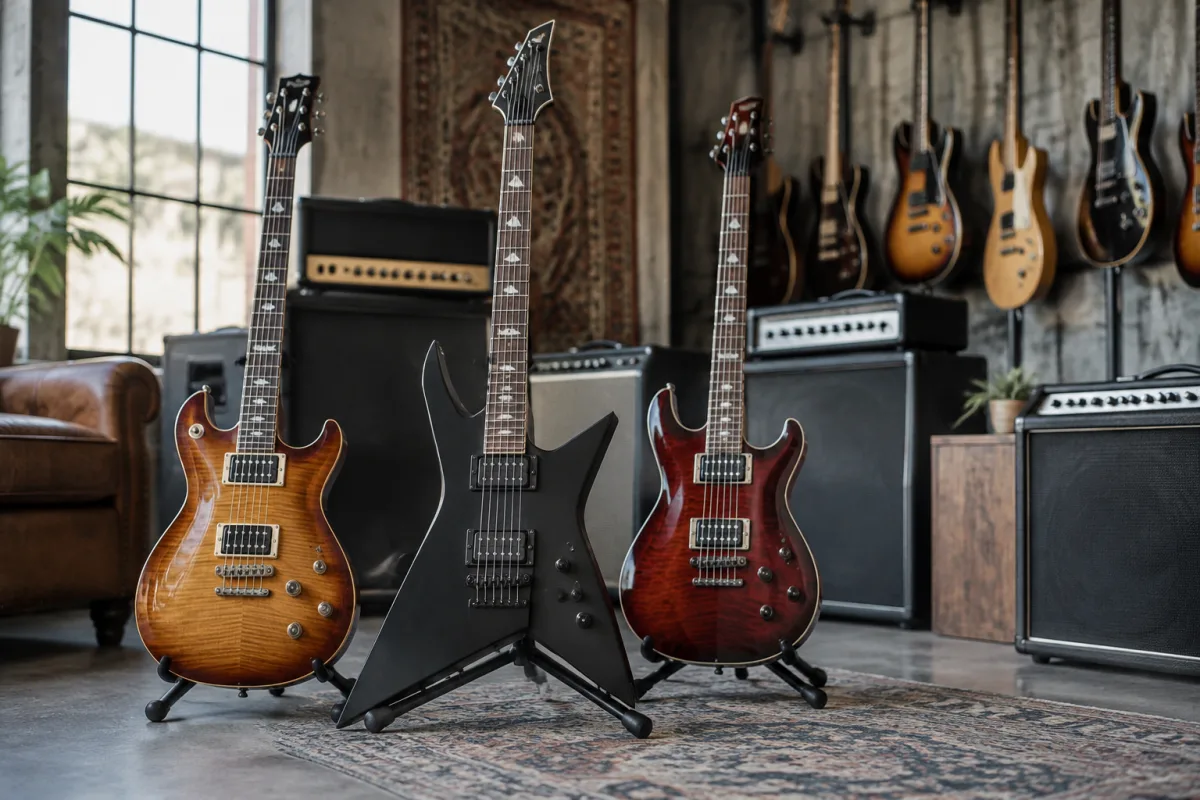
Buying a Peavey guitar means accessing instruments built with consistent quality at reasonable prices. Peavey's reputation spans decades of manufacturing reliability, making them an attractive option for players from beginners to professionals. However, the range of models and price points can overwhelm potential buyers trying to find the right instrument. This guide focuses on the practical purchasing decisions: understanding Peavey's lineup across price tiers, evaluating construction quality, recognising what differentiates models, and avoiding common buying mistakes. Rather than covering general guitar theory or playing techniques, we're helping you select the right Peavey for your specific needs and budget. For exhaustive technical details and specifications, the complete guide to Peavey guitars provides comprehensive information.
Understanding Peavey's Price Tiers and Positioning
Peavey manufactures guitars across multiple price brackets. Budget instruments, typically £200-£500, provide solid playability and acceptable tone for learners. Mid-range Peaveys, spanning £500-£1,000, offer better electronics, superior tonewoods, and refined construction. Premium models, priced above £1,000, showcase exceptional craftsmanship, premium materials, and specialist features. Peavey's value proposition sits favourably in the market: you generally receive better quality than competing brands at similar price points, making them excellent purchasing options across all budget levels.
This strong price-to-quality ratio means Peaveys hold value well on the used market. A pre-owned Peavey at moderate price often outperforms a new budget guitar from competitors. This secondary market advantage is worth factoring into your purchasing decision.
Model Types and What They're Designed For
Peavey manufactures guitars across multiple styles. Solid-body electrics suit rock, metal, and contemporary players. Semi-hollow and hollow-body guitars appeal to blues and jazz musicians. Acoustic and acoustic-electric models serve folk and singer-songwriter applications. Understanding which category matches your musical goals narrows the overwhelming variety significantly.
Within each category, specific models target different sub-genres and price points. The Peavey Predator appeals to budget rock players; the Peavey EVH signature models attract metal and shred enthusiasts; the Peavey Composer serves classical players. Identifying your specific musical direction helps you evaluate whether a particular model suits your needs.
Evaluating Body Construction and Materials
Examine the body wood type. Poplar and alder bodies are common in budget and mid-range Peaveys; they're reliable, affordable, and sonically adequate. Mahogany bodies (in higher-priced models) deliver warmer tones and often superior sustain. Maple tops on mid-range and premium models add visual appeal and tonal brightness. Run your hands along the body checking for uneven grain, rough edges, or finish defects. Budget models sometimes show slight finish imperfections; premium instruments should display flawless finishing.
Check the body weight. Solid-body guitars typically weigh 3 to 4 kilograms. Excessive weight (above 4.5kg) sometimes indicates density problems or uneven wood selection. Extremely light guitars can indicate low-quality materials. Optimal weight feels substantial but not burdensome during extended playing.
Neck Quality and Playability
Sight down the neck from headstock and body to confirm straightness. Minor relief (slight forward bow) is normal and desirable; excessive backbow or forward bow indicates playability problems. Check the fret work: each fret should be perfectly level without buzzing at any position. Uneven frets are difficult to correct and will frustrate you throughout ownership.
Evaluate the neck's feel: does the profile feel comfortable in your hand? Is it too wide or too narrow? Does the finish feel smooth or sticky? Play various positions up and down the neck to confirm smooth, even playability. Peavey's neck construction is generally solid across their lineup, but individual instruments vary. Hands-on testing reveals issues that simple visual inspection misses.
Electronics and Hardware Quality
On electric Peaveys, examine the pickup quality. Budget models feature basic pickups adequate for learning; mid-range models often include better pickups providing expanded tonal possibilities. Play-test different pickup configurations if possible; pickup choice fundamentally shapes your tone. Potentiometers should turn smoothly; test volume and tone controls throughout their range confirming consistent resistance. Listen for crackling or scratching (minor issues often cleaning-solvable, but worth noting).
Hardware quality varies by price point. Budget Peaveys sometimes feature basic tuning machines and bridges; premium models use superior hardware improving tuning stability and sustain. Examine all hardware visually: is it shiny and well-finished, or dull and rough? Quality hardware correlates with overall instrument quality.
Acoustic Considerations for Acoustic Peaveys
If you're considering an acoustic Peavey, sound quality is paramount. Budget acoustic models sometimes sound thin or harsh; mid-range models deliver balanced, warm tone. Play multiple examples in your price range; acoustic tone is subjective, and hands-on comparison reveals which instruments satisfy your ear.
Check the top surface carefully. Hairline cracks or seam separation indicate structural problems requiring expensive repairs. The bracing inside the guitar (visible through the sound hole) should appear substantial and well-constructed. High-quality bracing contributes to tone projection and durability.
New versus Used Peavey Guitars
Used Peaveys offer exceptional value. They frequently cost 40-60% less than new equivalent models whilst delivering identical performance. Peavey's reputation for durability means pre-owned instruments often play as well as new ones. Inspect used Peaveys carefully for structural damage, excessive fret wear, or electronic issues. Verify that all components function properly and the instrument holds tune reliably.
New guitars provide warranty coverage and certainty regarding condition. If you're purchasing your first serious instrument, new might offer peace of mind worth the premium cost. Experienced players comfortable evaluating instrument condition often find used Peaveys deliver superior value.
Common Purchasing Mistakes to Avoid
Many buyers prioritise appearance over playability. Gorgeous finishes don't compensate for poor fret work or uncomfortable necks. Evaluate playability rigorously; visual appeal is secondary to functional quality.
Another mistake: buying based on features you won't use. Complex electronics don't help you learn; simplicity serves beginners better. Don't feel obligated to purchase advanced specifications when basic functionality meets your needs.
Underestimating the importance of testing extensively is common. A guitar that looks great online might disappoint in person. Whenever possible, play your intended purchase before committing. Online purchases without hands-on inspection frequently result in regret.
Making Your Final Decision
Before purchasing, confirm: Does the neck feel comfortable for your hand? Does the action meet your preferences without buzzing? Do electronics function smoothly? Is the finish undamaged? Does the instrument inspire you to play? Does the price align with comparable models in similar condition? A methodical purchasing process ensures you select a Peavey guitar that genuinely enhances your musical journey for years.



Comments